





Description
Product Introduction
The Allen-Bradley 1769-HSC is a dual-channel high-speed counter expansion module designed for CompactLogix and MicroLogix 1500 controllers. It captures rapid pulse sequences from optical quadrature encoders, flow meters, or high-speed proximity switches up to 1 MHz.
Unlike standard digital input cards limited by CPU scan times, the 1769-HSC processes counts directly on its onboard microprocessor. It features four fast-acting, onboard sourcing outputs that switch within microseconds when preset values are hit, giving you real-time hardware execution without waiting for main controller logic updates.
Key Technical Specifications
| Parameter | Value |
| Input Channels | 2 Quadrature (A, B, Z) or 4 Single-Ended Counter Inputs |
| Max Input Frequency | 1 MHz (Differential) / 250 kHz (Single-Ended) |
| Input Voltage Ratings | 2.6–5.6V DC (5V mode), 9.6–16V DC (12V mode), 19.2–30V DC (24V mode) |
| Fast Onboard Outputs | (4) 24V DC Sourcing Solid-State Outputs (1.0A max per point) |
| Operating Modes | Counter, Frequency, Rate Measurement, Period/Pulse Interval |
| Internal Isolation | 500V AC continuous or 707V DC for 1 second |
| Backplane Current (5VDC) | 425 mA |
| Power Distance Rating | 4 Modules (Must be mounted within 4 slots of power supply) |
| Removable Terminal Block | 1769-RTBN18 (18-pin screw terminal) |
| Programming Software | Studio 5000 Logix Designer / RSLogix 5000 / RSLogix 500 |
Application Scenarios & The “Trench” Experience
The Trench Story
It is 2:00 AM on a high-speed bottling line. The rotary labeling carousel is misaligning labels by half an inch because the standard digital input card reading the main encoder cannot keep up with the 800-pulse-per-revolution signal at full line speed. To be honest, trying to solve pulse-skipping errors by tweaking software task priorities in Studio 5000 is a fool’s errand. Swapping that input point over to a 1769-HSC module offloads the quadrature decoding to dedicated hardware, instantly locking in position accuracy without slowing down the line.
Specific Applications
- High-Speed Rotary Web Cutters: Tracks line speed using differential quadrature encoders and fires local outputs in micro-seconds to trigger mechanical knife solenoids.
- Liquid Batch Metering: Accurately tallies high-frequency pulse trains from turbine flow meters in chemical blending plants.
- Flying Shear Positioning: Calculates material feed velocity and acceleration vectors continuously without burdening the main CompactLogix CPU memory.
- Packaging Case Taping: Monitors conveyor belt travel via incremental encoder, ensuring tape dispensers activate at precise physical locations regardless of line speed fluctuations.
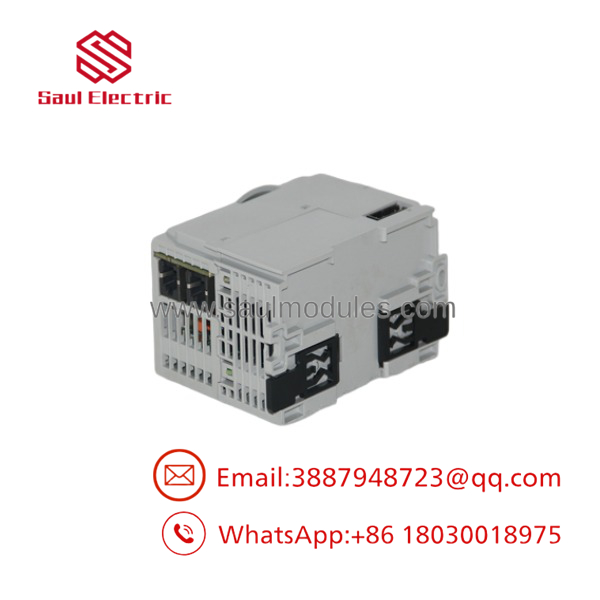
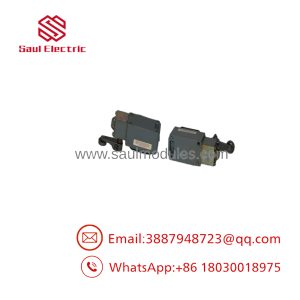
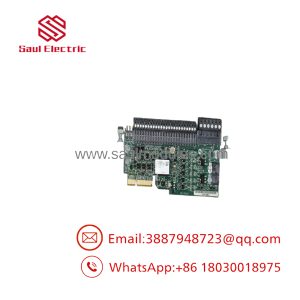
- 1769-HSC
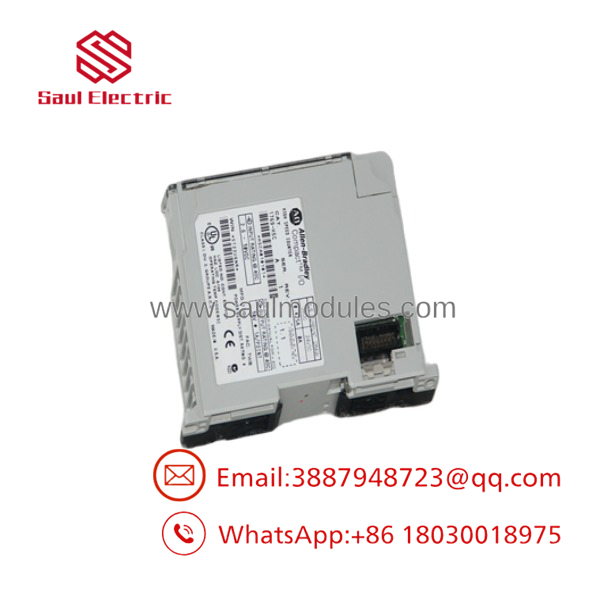
- 1769-HSC
Transparency SOP: Quality Assurance & Testing
We put every 1769-HSC specialty module through rigorous live testing before adding it to our stock:
- Inbound Physical Verification: We check plastic chassis latches, inspect bus connector pins for micro-corrosion, and verify the 18-pin removable terminal block socket.
- Backplane Interface & Power Test: The unit docks into a 1769 CompactLogix rack to verify 5VDC bus power draw and module detection in Studio 5000.
- High-Frequency Signal Simulation: We apply 1 MHz differential and 250 kHz single-ended pulse patterns using a signal generator, verifying zero lost counts across all input channels.
- Onboard Fast Output Load Check: We drive external electrical loads with all four solid-state outputs, verifying rapid switching response times and thermal performance under 1A continuous current draw.
- DIP Switch & Jumper Audit: We cycle internal voltage jumper headers (5V, 12V, 24V) to confirm input threshold levels switch accurately.
The Veteran’s Tech Trap Guide
- ⚠️ Set the Voltage Jumpers BEFORE Wiring: The 1769-HSC features hardware selection for 5V, 12V, and 24V input signals. In our field experience, technicians routinely apply 24V encoder signals while the module jumpers remain configured for 5V TTL logic. Doing this will burn out the input optical isolators instantly.
- ❗ Mind the 4-Slot Power Distance Rule: The 1769-HSC has a strict power distance rating of 4. Mount it within 4 slots of a 1769 power supply (such as a 1769-PA4). Placing it further down the rail causes voltage drops on the 5V backplane line, resulting in intermittent pulse dropping or bus errors.
- ⚠️ Use Shielded Twisted-Pair Wiring: Running unshielded encoder cables in the same wireway as 480VAC VFD leads introduces heavy electrical noise. Always use shielded twisted-pair cabling for A, B, and Z channel signals, and ground the shield at the module end only.
- ❗ Don’t Rely Solely on PLC Scan for Fast Action: If your application requires ultra-fast stopping, wire your control relays directly to the 1769-HSC’s onboard solid-state outputs. Relying on the CPU to read the counter word and trigger a standard output card adds network and scan time latency.
Frequently Asked Questions
Q: What is the maximum counting frequency of the 1769-HSC?
The module handles up to 1 MHz for differential (RS-422) encoder inputs. If you wire it using single-ended (24V DC open-collector) signals, the maximum input frequency drops to 250 kHz.
Q: Can I use the 1769-HSC with a MicroLogix 1500 system?
Yes. The 1769-HSC is fully supported by the MicroLogix 1500 controller platform (using RSLogix 500) as well as CompactLogix systems (using Studio 5000 or RSLogix 5000).
Q: Does the 1769-HSC require external power for its inputs?
Yes. Field side encoder inputs and onboard outputs require an external DC power supply matching your field devices (typically 5V, 12V, or 24V DC). The backplane bus only powers the internal logic processing.
Q: What is the difference between single-ended and differential inputs on this card?
Single-ended wiring uses a single signal line per channel referenced to a common ground (better for short distances and 24V signals). Differential wiring uses two complementary signal wires (+ and -) per channel, providing high noise immunity required for 1 MHz high-speed 5V line-driver encoders over longer cable runs.
Q: What warranty covers your 1769-HSC modules?
Every new surplus and reconditioned 1769-HSC module includes a full 12-month replacement warranty. If a unit experiences a hardware defect within 365 days of purchase, we replace it immediately from our ready stock or process a full refund.
Q: How do I configure the module in Studio 5000?
Add the 1769-HSC into your CompactLogix I/O tree, open the module properties, and configure counter modes (Quadrature vs. Pulse/Direction), input voltage levels, soft presets, and fast output trigger conditions directly within the module tags.

 Start Chat


