





Description
Product Introduction & Engineering Value
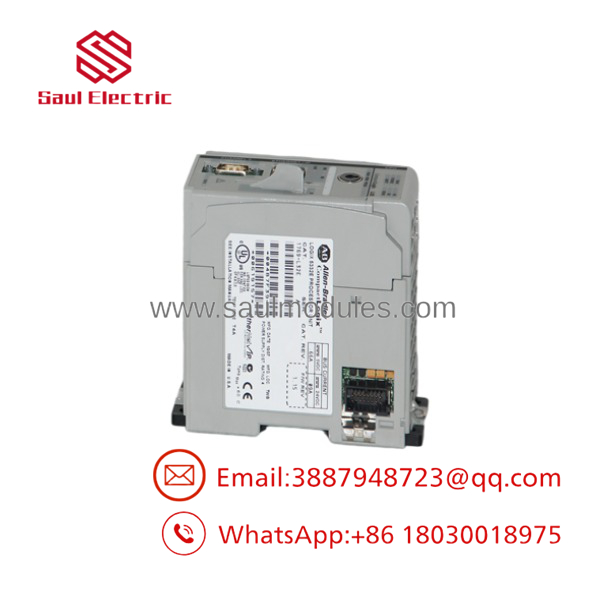
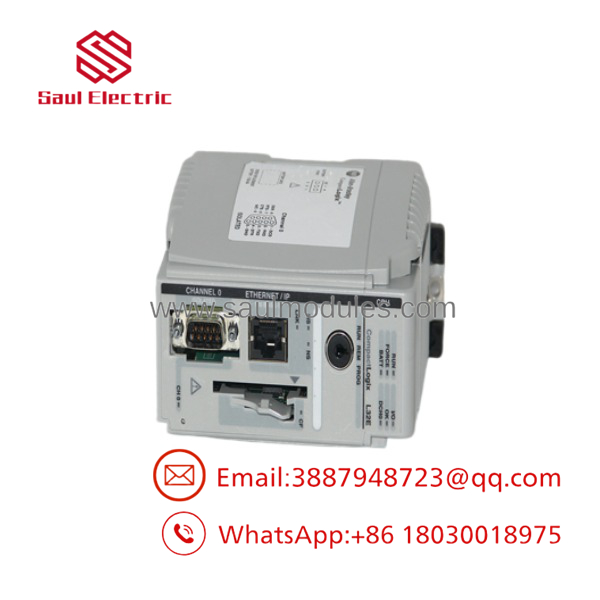
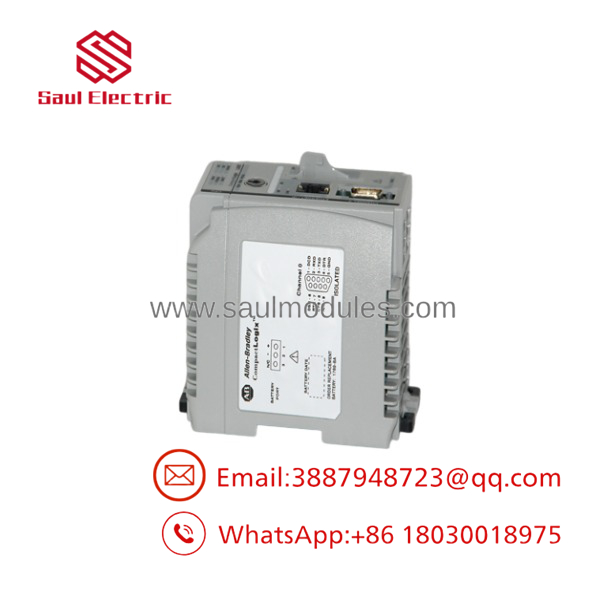
Many legacy production lines continue to rely on the 1769-L32E because it combines CompactLogix processing performance with built-in Ethernet communications. For facilities that standardized on early CompactLogix architectures, replacing a failed processor with the same model often minimizes commissioning time and avoids unnecessary hardware redesign.
The controller supports EtherNet/IP networking, serial communications, and Compact I/O expansion, making it suitable for standalone machines and distributed manufacturing cells. Although newer CompactLogix platforms offer additional features, the 1769-L32E remains a practical choice for maintaining validated systems already deployed in the field.
Technical Specifications
| Specification | Value |
|---|---|
| Manufacturer | Allen-Bradley / Rockwell Automation |
| Catalog Number | 1769-L32E |
| Controller Family | CompactLogix 1769 |
| Controller Type | Processor Module |
| User Memory | 750 KB |
| Ethernet Port | 1 × 10/100 Mbps EtherNet/IP |
| Serial Port | 1 × RS-232 |
| Supported Protocols | EtherNet/IP, DF1, DH-485, ASCII |
| Programming Software | RSLogix 5000 |
| Maximum Local I/O Modules | 16 |
| Maximum I/O Banks | 3 |
| Backup Battery | 1747-BA |
| Power Supply Distance Rating | Maximum 4 slot positions |
| Mounting | DIN Rail or Panel |
| Operating Temperature | 0°C to 60°C (32°F to 140°F) |
Field Application & The “Trench” Experience
A distribution center experienced intermittent communication failures between its warehouse management system and several conveyor PLCs. The Ethernet switch was replaced first, followed by network cables, yet communication losses continued during peak production.
The maintenance team eventually traced the problem to a failing 1769-L32E processor whose Ethernet interface became unstable after warming up. After installing a tested replacement, restoring the original RSLogix 5000 project, and verifying the IP configuration, the conveyor network returned to continuous operation without modifying the application program.
Typical applications include:
- Automated conveyor and sortation systems using EtherNet/IP HMI communications.
- Packaging and labeling equipment with barcode scanner integration.
- Machine assembly cells requiring Compact I/O expansion and centralized Ethernet diagnostics.
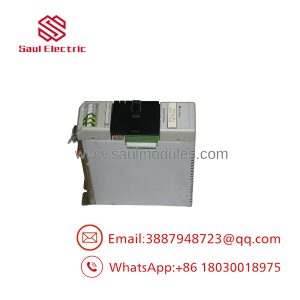
- 1769-L32E
- 1769-L32E
Transparency SOP: QA & Testing
Every 1769- processor undergoes a documented inspection before shipment.
- Verify the catalog number, hardware revision, and serial identification.
- Inspect the Ethernet connector, serial port, CompactBus connector, and enclosure.
- Install the processor on a CompactLogix test platform.
- Confirm normal boot sequence, memory retention, and controller diagnostics.
- Test Ethernet communication, RS-232 communication, and Compact I/O recognition.
- Record all inspection data before classifying the unit as New Surplus or Refurbished.
The Veteran’s Tech Trap Guide
⚠️ Don’t Overlook the Ethernet Configuration
Many replacement processors appear “offline” simply because the replacement unit has a different IP address than the original controller. Verify network settings before troubleshooting hardware.
⚠️ Firmware Compatibility Is Critical
The 1769- supports firmware revisions up to Version 20. Before restoring a project, confirm that the controller firmware matches the application requirements to avoid conversion issues.
⚠️ PRO TIP: Install the Required End Cap
A Compact I/O assembly requires the proper right end cap (1769-ECR). Omitting it can generate major faults during startup, a detail frequently noted by experienced maintenance technicians working with this controller family.
Dynamic FAQ
Q1. What is the primary function of the 1769-?
The 1769- is a CompactLogix processor that executes control logic while providing integrated EtherNet/IP and serial communications for industrial automation systems.
Q2. How much memory does the controller provide?
It includes 750 KB of user memory, making it suitable for medium-sized machine control and process automation applications.
Q3. How many I/O modules can the 1769- support?
The controller supports up to 16 Compact I/O modules distributed across three I/O banks, depending on the system architecture.
Q4. Can the 1769- communicate over Ethernet?
Yes. It features an embedded EtherNet/IP port for programming, controller communication, HMI connectivity, and industrial networking.
Q5. How is New Surplus inventory verified?
Each processor is inspected for physical condition, hardware revision, communication performance, memory functionality, and successful startup on a compatible CompactLogix test bench before shipment.
Q6. Is the 1769- suitable for new machine designs?
While many existing systems continue to operate successfully with the 1769-, newer CompactLogix controllers offer higher performance, expanded communication capabilities, and longer lifecycle support. The 1769- is most commonly selected today for maintaining or expanding installed legacy systems.

 Start Chat


