





Description
Product Introduction & Engineering Value
Some controllers earn a long service life because they are simple to replace. The 1769-L35E became a common choice for OEM machinery by combining CompactLogix processing, integrated Ethernet communications, and a compact hardware footprint. Even after its discontinuation, many production facilities continue to maintain installed systems rather than redesign proven equipment.
For maintenance engineers, replacing a failed 1769-L35E with an identical controller often preserves the existing RSLogix 5000 project, network configuration, and Compact I/O architecture. This approach minimizes commissioning time and reduces the risk associated with major control system modifications. Rockwell Automation discontinued the controller on December 20, 2020 and recommends migrating to newer CompactLogix platforms for new projects.
Technical Specifications
| Specification | Value |
|---|---|
| Manufacturer | Allen-Bradley / Rockwell Automation |
| Catalog Number | 1769-L35E |
| Controller Family | CompactLogix 1769 |
| Controller Type | Ethernet PLC Processor |
| User Memory | 1.5 MB |
| Ethernet Interface | Integrated 10/100 Mbps EtherNet/IP |
| Serial Interface | RS-232 |
| Supported Protocols | EtherNet/IP, DF1, DH-485, ASCII |
| Programming Software | RSLogix 5000 |
| Nonvolatile Storage | 1784-CF64 / 1784-CF128 CompactFlash |
| Supported Local I/O | Up to 30 Compact I/O modules (application dependent) |
| Maximum I/O Banks | 3 |
| Current Draw | 660 mA @ 5V DC; 90 mA @ 24V DC |
| Operating Temperature | 0°C to 60°C (32°F to 140°F) |
| Backup Battery | 1769-BA |
| Product Lifecycle | Discontinued |
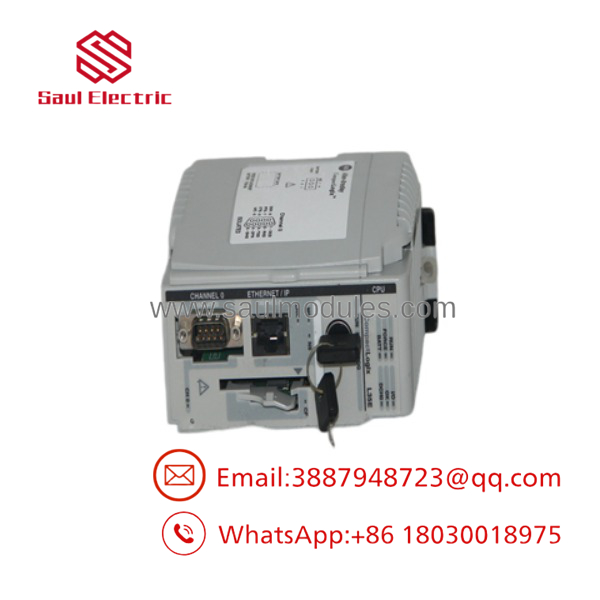
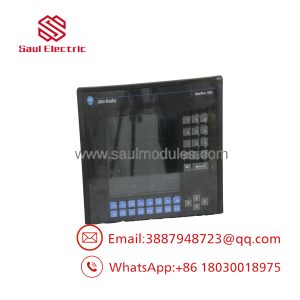
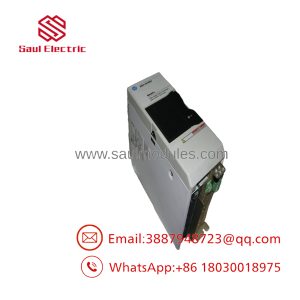
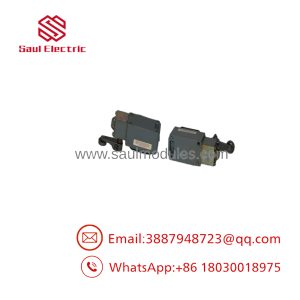
- 1769-L35E
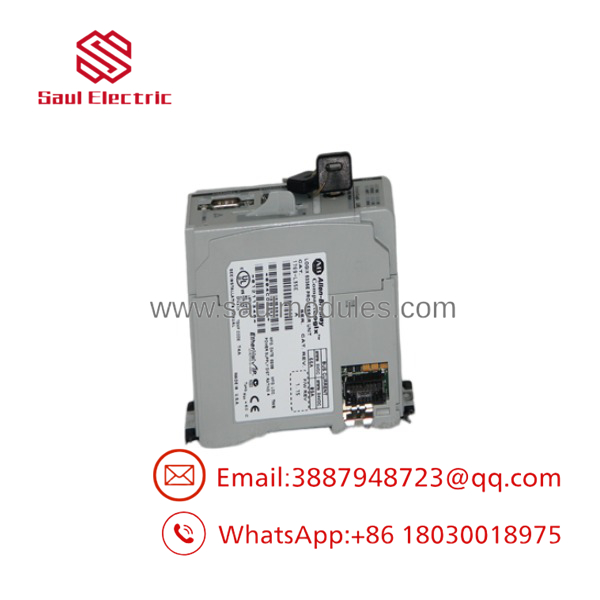
- 1769-L35E
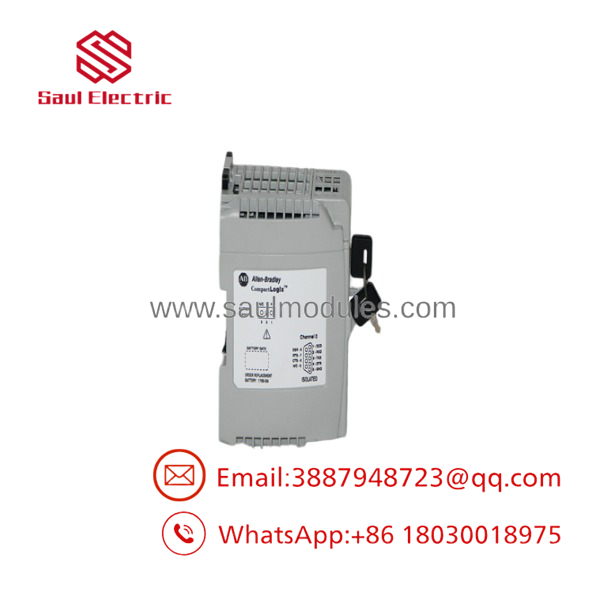
- 1769-L35E
Field Application & The “Trench” Experience
A packaging manufacturer experienced intermittent communication failures between its supervisory HMI and several production cells. The Ethernet switches, patch cables, and network settings all checked out, yet one machine repeatedly disappeared from the network after several hours of operation.
The root cause turned out to be an aging 1769- processor with an unstable Ethernet interface. After installing a tested replacement, restoring the CompactFlash backup, and assigning the original IP address, production resumed without modifying the PLC logic or field wiring.
Typical applications include:
- Automated palletizing cells communicating with SCADA over EtherNet/IP.
- High-speed packaging equipment integrating barcode scanners and vision systems.
- Material handling conveyors requiring Compact I/O expansion and Ethernet connectivity.
Transparency SOP: QA & Testing
Before a 1769- is approved for shipment, every unit completes a structured inspection:
- ✓ Identity Verification — Confirm catalog number, hardware revision, and serial information.
- ✓ Physical Inspection — Examine connectors, CompactFlash slot, communication ports, and enclosure.
- ✓ Functional Startup — Verify successful boot sequence and controller diagnostics.
- ✓ Communication Testing — Validate EtherNet/IP and RS-232 communications with compatible engineering software.
- ✓ Memory Verification — Test CompactFlash operation, battery-backed memory, and processor diagnostics.
- ✓ Documentation — Record inspection data and classify the unit as New Surplus or Refurbished.
The Veteran’s Tech Trap Guide
⚠️ Firmware Compatibility Is Usually the First Obstacle
A replacement controller may power up normally but still reject the project if the firmware revision differs. Always identify the installed firmware before downloading the application. Rockwell provides firmware revisions through Version 20 for this controller family.
⚠️ Verify the Original IP Address Before Removing the Controller
Older production lines frequently rely on fixed IP addresses configured years ago. Losing those settings can delay startup far longer than replacing the hardware.
PRO TIP: If the application automatically loads from a CompactFlash card during startup, verify both the card contents and controller firmware before applying power. An outdated backup can overwrite a newer application unexpectedly.
Dynamic FAQ
Q1. What is the primary function of the 1769-?
The 1769- is a CompactLogix controller that combines 1.5 MB of user memory, integrated EtherNet/IP communication, and Compact I/O support for machine and process automation.
Q2. Is the 1769- still manufactured?
No. Rockwell Automation discontinued the 1769- on December 20, 2020 and recommends migration to newer CompactLogix controller families for new applications.
Q3. Which programming software supports this controller?
The controller is programmed using RSLogix 5000, with software and firmware versions matched to the installed controller firmware.
Q4. Can I replace a failed 1769- without modifying the PLC program?
In most cases, yes. If the replacement controller uses a compatible firmware revision and the original project backup is available, the application can typically be restored without changing the control logic.
Q5. How do you verify New Surplus inventory?
Each controller undergoes model verification, physical inspection, startup diagnostics, EtherNet/IP communication testing, serial port verification, and memory validation before shipment.
Q6. What is the recommended replacement for the 1769-?
For modernization projects, Rockwell Automation recommends migrating from discontinued CompactLogix 1769-L3x controllers to the CompactLogix 5380 platform. Existing installations, however, often continue using the 1769- for maintenance and spare-part replacement where system compatibility is the primary requirement.

 Start Chat


