





Description
Product Introduction & Engineering Value
Not every control cabinet contains only 24V DC devices. Many legacy production lines still combine AC contactors, DC solenoids, annunciators, and interposing relays within the same machine. Selecting a transistor output module in these applications often creates unnecessary interface wiring and additional failure points.
The Allen-Bradley 1771-OWNA was designed for mixed-voltage control systems where relay contacts provide greater flexibility than solid-state outputs. With thirty-two normally open relay outputs arranged in four isolated groups, the module allows PLC-5 controllers to switch both AC and DC loads while maintaining electrical isolation between the controller electronics and field circuits.
Technical Specifications
| Specification | Value |
|---|---|
| Manufacturer | Allen-Bradley / Rockwell Automation |
| Catalog Number | 1771-OWNA |
| Product Family | 1771 PLC-5 I/O |
| Module Type | Relay Contact Output Module |
| Number of Outputs | 32 Normally Open Relay Outputs |
| Output Groups | 4 groups of 8 outputs |
| Output Voltage | 24–138V AC (resistive), 24–125V DC |
| Maximum Current per Output | 0.25 A @ 120V AC/DC or 1 A @ 30V AC/DC (30 W max) |
| Maximum Module Current | 12 A @ 45°C |
| Contact Type | Normally Open (N.O.) |
| Backplane Current Draw | 2500 mA @ 5V DC |
| Wiring Arm | 1771-WN |
| Isolation | Relay contact isolation from logic circuitry |
| Mounting | Single slot in 1771 PLC-5 chassis |
| Environmental Option | Conformal-coated version available (1771-OWNA-CC) |
Field Application & The “Trench” Experience
A steel processing line experienced repeated shutdowns after several AC contactors and warning beacons stopped responding simultaneously. Since the PLC processor remained in RUN mode and communications were healthy, technicians initially suspected damaged field wiring.
The actual problem was a worn relay contact bank inside an aging 1771-OWNA that had accumulated years of switching cycles. After installing a tested replacement and verifying the connected loads remained within the published contact ratings, production resumed without any software modifications.
Typical application scenarios include:
- Rolling mill auxiliary equipment controlling AC contactors and cooling pump starters.
- Packaging machinery operating mixed AC/DC alarm circuits and stack lights.
- Water treatment facilities switching chemical dosing pumps, motor starters, and annunciation systems.
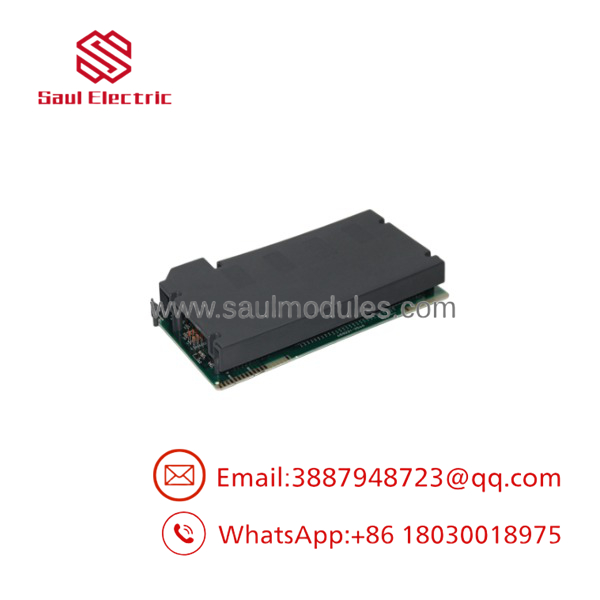
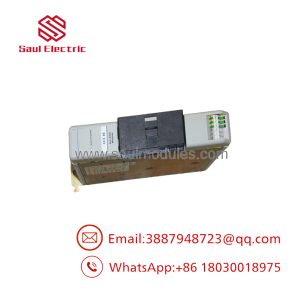
- 1771-OWNA
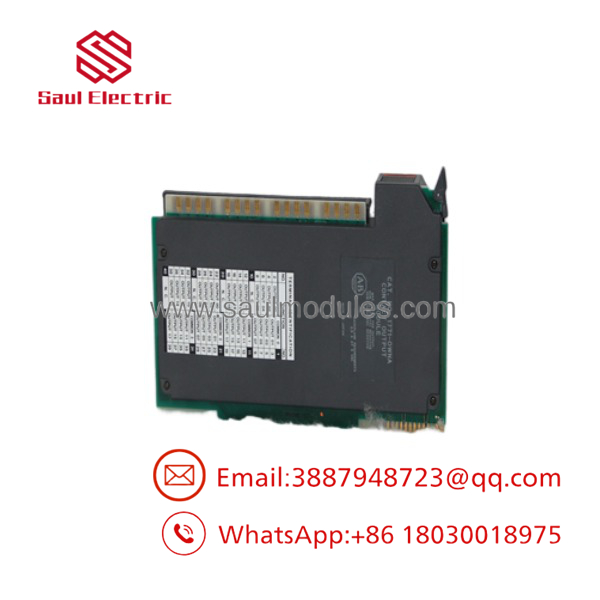
- 1771-OWNA
Transparency SOP: QA & Testing
Every 1771-OWNA module follows a documented inspection and functional verification process before shipment.
- Verify the catalog number, hardware series, and manufacturer identification.
- Inspect the relay assemblies, edge connector, enclosure, and terminal interface.
- Install the module in a validated 1771 PLC-5 test chassis.
- Cycle all 32 relay outputs using calibrated AC and DC loads.
- Verify relay response time, contact continuity, LED indication, and backplane communication.
- Record all inspection data before releasing the module as New Surplus or Refurbished.
The Veteran’s Tech Trap Guide
⚠️ Relay Contacts Don’t Last Forever
Unlike transistor outputs, relay contacts experience mechanical wear. Applications with high switching frequency may shorten contact life significantly, even when the electrical ratings are not exceeded.
⚠️ Watch the Load Type, Not Just the Voltage
The published ratings differ for resistive and inductive loads. Motor starters, solenoids, and contactor coils generate higher inrush currents than resistive devices and should use appropriate surge suppression whenever practical.
PRO TIP: The 1771-OWNA supports four independent output groups, allowing separate power supplies for different field circuits. During modernization, engineers sometimes combine these groups into a single supply, unintentionally eliminating electrical isolation that existed in the original design. Review the field wiring carefully before energizing the system.
Dynamic FAQ
Q1. What is the primary function of the 1771-OWNA?
The 1771-OWNA provides 32 normally open relay outputs for switching AC and DC field devices from a PLC-5 or compatible 1771 I/O system.
Q2. How are the outputs organized?
The module contains 32 outputs divided into four groups of eight, allowing separate field power distribution and simplified wiring for mixed-voltage applications.
Q3. What loads can the 1771-OWNA control?
Typical loads include contactors, motor starter control circuits, relay coils, pilot lights, alarm devices, and pneumatic solenoid valves operating within the published voltage and current ratings.
Q4. Is the 1771-OWNA compatible with standard PLC-5 chassis?
Yes. The module is designed for installation in 1771 I/O chassis and occupies a single I/O slot.
Q5. How is New Surplus inventory verified?
Each module undergoes model verification, visual inspection, relay contact testing on all 32 channels, communication verification in a chassis, and documented functional testing before shipment.
Q6. What is the most common service issue with the 1771-OWNA?
The most frequent causes of failure are relay contact wear, excessive inductive switching without suppression, overloaded field circuits, and contact degradation after years of operation. Before replacing the module, verify the connected field devices and confirm that the relay contact ratings have not been exceeded.

 Start Chat


