





Description
Product Introduction
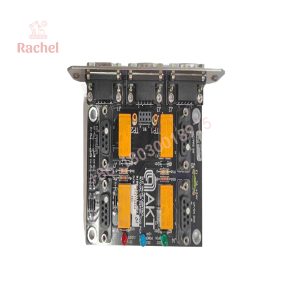
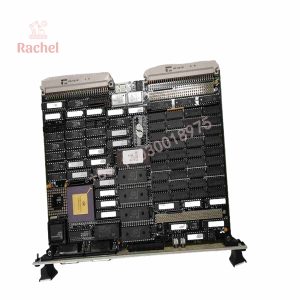
The Applied Materials 0100-20100 is a 6U VMEbus controller and system interface circuit board designed for AMAT semiconductor manufacturing platforms, including Centura, Endura, and Precision 5000 tools. Housed within the tool’s primary controller rack, this module manages real-time hardware handshakes, interrupt routing, and high-speed data exchanges between the central tool controller and peripheral chamber I/O boards across the VME backplane.
Engineered specifically for AMAT tool controller architectures, the 0100-20100 features custom address decoding and timing logic that standard commercial VME cards cannot replicate. Replacing an aging or faulty board with an exact-match OEM unit resolves unrecoverable VME bus lockups, system communication timeouts, and chamber initialization failures during production runs.
Key Technical Specifications
| Parameter | Value |
| Manufacturer | Applied Materials (AMAT) |
| Assembly Part Number | 0100-20100 |
| Board Category | VMEbus System Controller / Interface PCB |
| Tool Compatibility | AMAT Centura, Endura, Precision 5000 Series |
| Form Factor | 6U Eurocard (VMEbus Standard) |
| Backplane Interface | Dual 96-Pin DIN Connectors (P1/P2 VMEbus) |
| Operating Voltage | +5 VDC / ±12 VDC (Drawn via Backplane Rail) |
| Mounting | Card Cage Sub-Rack Enclosure |
| Operating Temp | 10°C to 50°C (50°F to 122°F) |
Application Scenarios & The “Trench” Experience
When a primary VME controller board drops an address line during wafer processing, the entire tool software halts to prevent misprocessed wafers. A degraded 0100-20100 card typically causes intermittent “VME Bus Timeout” alarms or locks the robot transfer sequence mid-stroke. In field service environments, thermal degradation of bus transceiver ICs and micro-fissures in solder joints on vintage VME cards are the primary drivers of unexplainable system crashes.
- Main Tool Controller Rack – AMAT Centura & Endura – Manages system-level data routing between host software and chamber controller cards.
- Process Interlock Monitoring – Vacuum & RF Interlocks – Maintains sub-millisecond polling cycles for tool safety and chamber interlock signals.
- Legacy Fab Life Extension – 200mm / 300mm Production – Serves as an immediate drop-in replacement to keep essential semiconductor tools online without system retrofits.
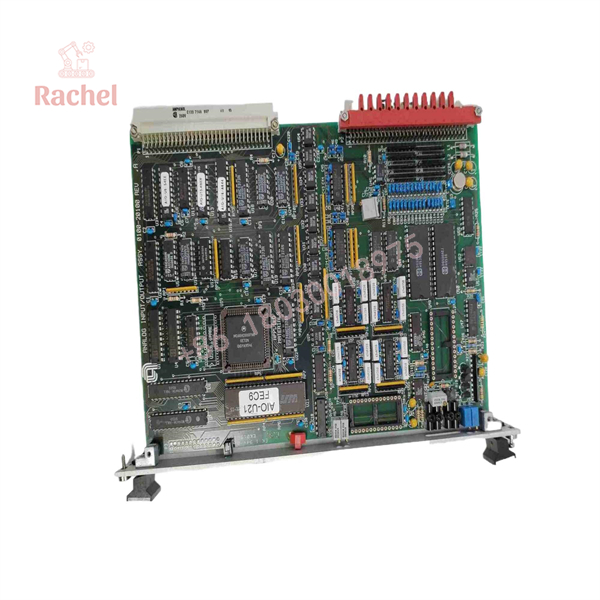
0100-20100
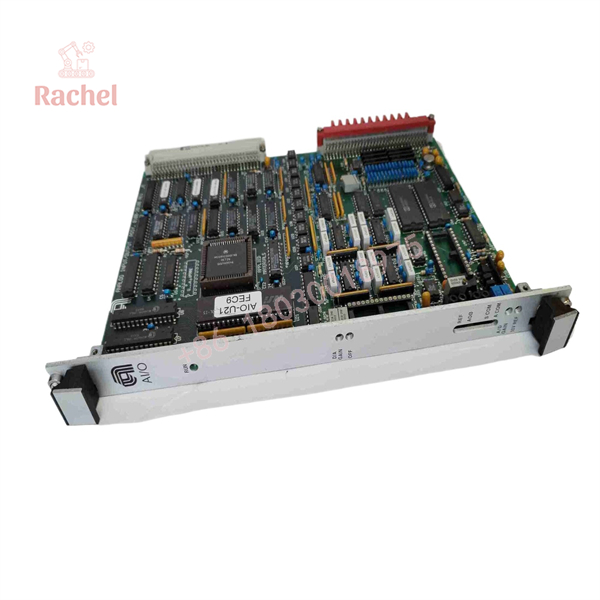
0100-20100
Field Case Study
A semiconductor fab experienced recurring, random VMEbus fault trips on a 200mm Endura platform, bringing down two deposition chambers. Field technicians isolated the fault to the primary 0100-20100 controller board inside the rack. Replacing the failing unit with a pre-tested 0100-20100 surplus board cleared the bus errors immediately. The tool completed full diagnostic handshakes and returned to 24/7 production within two hours.
Transparency SOP: Quality Assurance & Testing
Every AMAT 0100-20100 board undergoes a systematic testing workflow prior to stock listing:
- Inbound Visual Inspection: High-magnification audit checking for trace cracks, burnt ICs, socket corrosion, and damaged DIN connector pins.
- Static Power Rail Audit: Verifying impedance across onboard +5V, +12V, and -12V DC power planes before backplane insertion.
- VMEbus Handshake Simulation: Seating the board into a live VMEbus test chassis to verify active address decoding, interrupts, and signal line switching under load.
- Thermal Drift Verification: Monitoring signal stability across operating temperature thresholds to catch intermittent solder opens.
- Anti-Static Protective Packaging: Vacuum-sealed in ESD shielding bags with desiccant and shipped in foam-lined protective packaging.
The Veteran’s Tech Trap Guide
- ⚠️ Match Jumper Blocks & DIP Switches: AMAT VME boards frequently use jumper configurations to set base memory addresses and interrupt vectors. Always document and replicate the jumper positions from your original board before inserting the replacement.
- ❗ Never Hot-Swap VME Cards: Power down the card cage completely before removing or installing the 0100-20100. Hot-swapping a 6U VME board will generate voltage spikes across P1/P2 pins, destroying bus transceivers and onboard logic gates.
- ⚠️ Clean Backplane Sockets: Dust and ambient chemical residue inside aging card cages can prevent complete pin contact. Spray non-conductive, zero-residue contact cleaner into the female backplane connector prior to card installation.
- ❗ Enforce Strict ESD Controls: Wear a grounded wrist strap when handling raw PCB assemblies to prevent static discharge damage to delicate CMOS logic components.
Frequently Asked Questions (FAQ for Conversion)
Q: Is the AMAT 0100-20100 board hot-swappable?
A: No. Attempting to pull or insert this card while the card cage is energized will arc connector pins and permanently damage onboard logic chips.
Q: Does replacing the 0100-20100 require firmware updates?
A: Typically, no. The 0100-20100 functions as a hardware controller and bus interface. As long as onboard DIP switches and jumpers match your original unit, it will interface directly with the tool’s existing operating software.
Q: Why choose pre-tested surplus stock over OEM lead times?
A: Many legacy 0100-series AMAT boards are obsolete from the OEM or carry extensive lead times. Pre-tested surplus inventory allows immediate dispatch to eliminate costly tool downtime.
Q: How do you confirm the board’s bus logic is reliable?
A: Each 0100-20100 board undergoes physical pin audits, static rail checks, and dynamic VMEbus handshake tests on dedicated test chassis prior to shipping.
Q: What warranty is included with this replacement board?
A: All reconditioned and surplus Applied Materials boards are backed by a full 12-month replacement warranty.

 Start Chat


