





Description
Product Introduction & Engineering Value
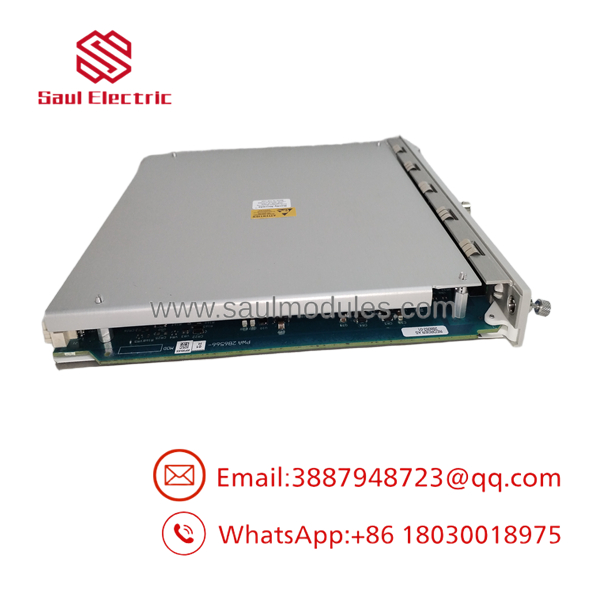
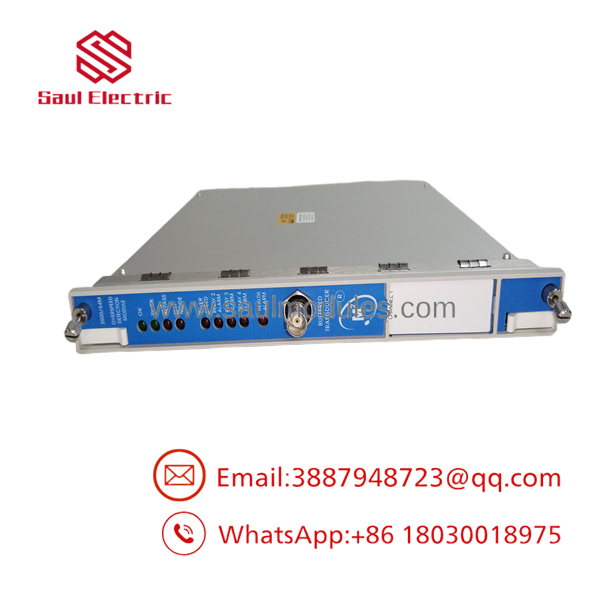
Reciprocating compressors generate vibration patterns that differ substantially from those of turbines and centrifugal machines. Conventional vibration monitors may not capture the impulse characteristics associated with valve impacts, crosshead motion, or piston-related events. The BENTLY 3500/54M is designed specifically for these demanding applications.
As part of the BENTLY Nevada 3500 Machinery Protection System, the 3500/54M provides continuous monitoring, configurable alarm functions, and integration with plant control and diagnostic systems. It is commonly deployed where early detection of abnormal reciprocating machine behavior helps reduce unplanned shutdowns and maintenance costs.
Technical Specifications
Manufacturer: BENTLY Nevada
Model: 3500/54M
Series: 3500 Machinery Protection System
Product Type: Reciprocating Impulse Monitor
Monitoring Channels: 4
Primary Function: Machinery protection and condition monitoring for reciprocating equipment
Alarm Capability: Programmable Alert and Danger setpoints
Configuration: 3500 Rack Configuration Software
System Integration: Compatible with BENTLY Nevada System 1 and standard 3500 communication architecture
Rack Installation: Standard 3500 monitor slot
Typical Application: Reciprocating compressors, engines, and other impulse-producing machinery.
Field Application & The “Trench” Experience
A natural gas compression station experienced repeated shutdowns caused by intermittent valve failures on a high-pressure reciprocating compressor. Standard overall vibration measurements remained within acceptable limits, making the problem difficult to isolate. After replacing an aging monitor with a 3500/54M, maintenance personnel were able to identify abnormal impact signatures associated with a deteriorating discharge valve. The valve was replaced during a scheduled maintenance window, preventing a costly unplanned outage.
Typical applications include:
- Pipeline reciprocating compressor protection
- Process gas compressor condition monitoring
- Large reciprocating engine vibration diagnostics
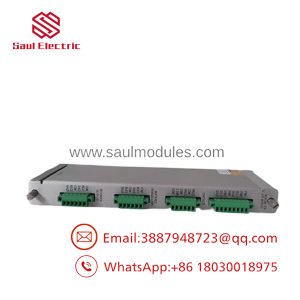
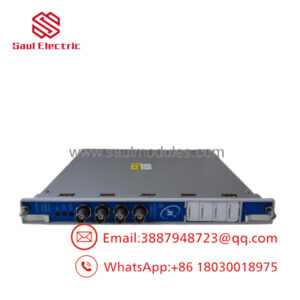
3500/54M
3500/54M
Transparency SOP: QA & Testing
Before shipment, every New Surplus or refurbished module is processed through a documented quality inspection.
- Visual examination for PCB contamination, connector wear, and housing damage
- Mechanical inspection of front-panel hardware
- Rack installation and power-up verification
- Functional testing using calibrated signal simulation
- Alarm and communication verification
- Anti-static packaging with serialized inspection records
The Veteran’s Tech Trap Guide
⚠️ Don’t replace a reciprocating monitor with a standard rotating machinery monitor. Reciprocating compressors generate impact-based vibration patterns that require application-specific monitoring techniques.
⚠️ Always verify the stored machine configuration. Incorrect alarm thresholds or measurement scaling may create nuisance alarms immediately after startup.
PRO TIP: Record baseline measurements immediately after commissioning. Future maintenance decisions become much easier when technicians can compare current impact signatures with known healthy operating conditions.
Dynamic FAQ
Q1. What equipment is the 3500/54M designed to monitor?
The module is intended for reciprocating machinery, including gas compressors and engines where impulse-based vibration analysis is required.
Q2. How many monitoring channels are available?
The 3500/54M provides four monitoring channels, allowing multiple measurement points to be monitored simultaneously.
Q3. Does the module support programmable alarms?
Yes. Alert and Danger alarm levels can be configured using the 3500 Rack Configuration Software to match machine operating requirements.
Q4. Can the 3500/54M communicate with System 1 software?
Yes. When installed in a compatible 3500 system, the module can exchange machinery data through the platform for use with System 1 Condition Monitoring and Diagnostic Software.
Q5. How is New Surplus inventory verified?
Each unit is inspected for part number authenticity, connector condition, mechanical integrity, and basic functional operation. Refurbished modules additionally undergo documented electrical testing before shipment.
Q6. What should be verified before installation?
Confirm the exact ordering code, rack firmware compatibility, rear I/O module configuration, saved monitor configuration, and field wiring before returning the machine to service.

 Start Chat


