





Description
Product Introduction
The Cole Hersee 48408 is an electronic Power Distribution Module designed to provide programmable branch-circuit protection in vehicle electrical systems. Cole Hersee, now part of Littelfuse, supplies electrical components for commercial vehicles, specialty vehicles, and marine applications. The catalog identifies this model as a manually resettable electronic circuit breaker that can work with remote switches.
Its main distinction is electronic trip control rather than reliance on conventional thermal-mechanical breakers alone. The documented design offers selectable current ratings from 2 A to 20 A and multiple layers of overcurrent protection. For engineers maintaining legacy vehicle power systems, the critical question is whether the existing wiring, control interface, and load characteristics match the original PDM configuration.
Key Technical Specifications
| Parameter | Specification |
|---|---|
| Manufacturer | Cole Hersee, a Littelfuse brand |
| Model | 48408 |
| Product Type | Power Distribution Module / Electronic Circuit Breaker |
| Product Family | K1 Minibus catalog section |
| Input Supply | 12 VDC or 24 VDC |
| Selectable Trip Ratings | 2 A, 3 A, 4 A, 5 A, 7.5 A, 10 A, 15 A, or 20 A |
| Reset Method | Manual reset using remote switches |
| Protection Method | Electronic trip control with five documented layers of overcurrent protection |
| Load Compatibility | Resistive and reactive loads; incandescent-lamp inrush loads |
| Rated Current Behavior | Carries the selected rated current continuously under specified operating conditions |
| Intended Use | Protected vehicle electrical power distribution |
| Compliance Reference | Catalog describes compliance with ABYC and USCG manually resettable overcurrent-protection requirements |
Source: Cole Hersee catalog documentation. The specifications above should be confirmed against the exact 48408 revision and its associated installation documentation.
Important limitation: Do not use the conflicting reseller specifications for a 250 A solenoid as the electrical ratings for this PDM. The catalog identifies the 48408 as an electronic circuit-breaker module, not a conventional high-current battery solenoid.
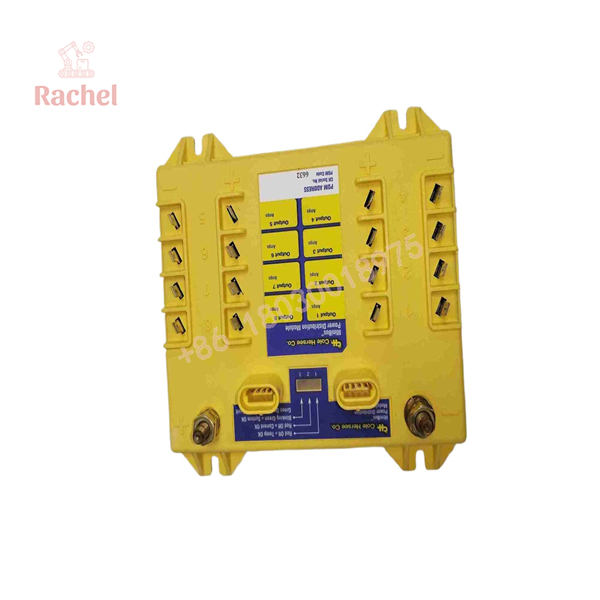
48408
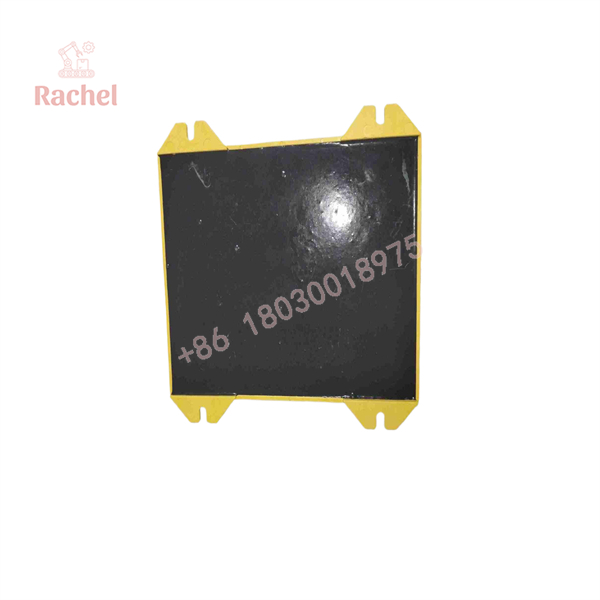
48408
Application Scenarios & The “Trench” Experience
A vehicle returns to service with an electrical fault that repeatedly trips a protected branch circuit. The technician replaces the load, checks the wiring, and swaps the breaker, but the fault persists. The real problem may be an incorrect trip setting, excessive inrush current, or a damaged load. Installing another module without identifying the cause risks another failure.
The Cole Hersee 48408 is relevant to applications that require electronically controlled branch-circuit protection, subject to confirmation of the original electrical design.
- Commercial Vehicles — Auxiliary Electrical Circuits — Provides configurable overcurrent protection for supported vehicle loads without relying exclusively on conventional thermal breakers.
- Marine Systems — Protected DC Distribution — May be suitable for circuits where the original design specifies the module and the required marine compliance has been verified.
- Specialty Vehicles — Body and Equipment Power — Supports multiple protected circuits with remote reset functionality where specified by the original system design.
- Fleet Maintenance — Legacy Electrical Systems — Provides a potential replacement for an installed 48408 when the supply voltage, trip ratings, and control interfaces match.
- Vehicle Electrical Integration — Variable Load Protection — Offers selectable trip ratings for applications with different branch-circuit current requirements.
These scenarios describe potential uses based on the documented PDM function, not confirmation that every vehicle or circuit is compatible.
Illustrative field case study
A fleet maintenance team encounters repeated loss of power to an auxiliary equipment circuit. The vehicle can still operate, but the affected equipment remains unavailable, delaying dispatch.
The team measures operating current, checks for short circuits, and records the existing PDM settings. They discover that the replacement candidate has the correct part number but has not been verified against the installed supply voltage or trip configuration.
Instead of installing it immediately, the technician checks the wiring diagram, confirms the required current rating, and verifies the remote-reset arrangement. The replacement is then tested under controlled conditions before the vehicle returns to service.
The lesson: a matching part number does not eliminate the need to verify the circuit. Incorrect overcurrent protection can create nuisance trips or leave wiring inadequately protected.
This is a hypothetical example, not a documented customer deployment.
Transparency SOP: Quality Assurance & Testing
For an electronic power distribution module, a power-on check alone is not enough. The unit should be evaluated for physical condition, correct supply operation, trip behavior, and reset functionality.
1. Inbound Inspection
- Record the model, serial number, label information, and available revision details.
- Inspect connectors, terminals, enclosure condition, and evidence of corrosion or previous repairs.
- Confirm the stated stock condition: new surplus, factory sealed, used, or refurbished.
2. Electrical Power-Up
- Apply only the documented supply voltage.
- Check for abnormal current draw, overheating, or unexpected behavior.
- Verify the module’s response using a suitable controlled test fixture.
3. Overcurrent Protection Testing
- Verify applicable trip settings using a current-limited test setup.
- Check reset operation and the response to a simulated fault.
- Test only the settings and procedures supported by the manufacturer’s documentation.
4. Control Interface Verification
- Check remote-reset inputs and associated wiring against the applicable diagram.
- Confirm that the module responds correctly to supported control signals.
- Verify the expected behavior after a trip and subsequent reset.
5. Final QC and Packaging
- Record test conditions and results.
- Protect the module from electrostatic discharge where appropriate.
- Package connectors and terminals to prevent shipping damage.
- Provide available test documentation, warranty terms, and return conditions.
Procurement note: Ask the supplier what was actually tested. A continuity check does not demonstrate correct electronic trip behavior, and a successful power-up does not establish compatibility with the vehicle’s complete electrical system.
The Veteran’s Tech Trap Guide
Warning 1: Verify the product identity before ordering.
Some online listings misidentify the 48408 as a high-current solenoid. The Cole Hersee catalog identifies it as a Power Distribution Module. Compare the physical label and catalog reference before approving a replacement.
Warning 2: Match the supply voltage.
The catalog lists 12 VDC and 24 VDC supply options. Confirm the exact module configuration and the vehicle’s electrical system. Never assume that two units with the same family designation have identical voltage requirements.
Warning 3: Check inrush current, not just steady-state current.
Motors, lamps, and reactive loads can draw substantially different current during startup. Confirm the load profile and the applicable trip behavior before selecting a replacement rating. Increasing the trip setting to stop nuisance trips can leave the wiring inadequately protected.
Warning 4: Verify remote-reset wiring.
The catalog describes remote-switch reset capability. Photograph the original wiring and verify the terminal assignments against the correct documentation. Do not apply voltage to an unidentified control terminal.
Frequently Asked Questions (FAQ for Conversion)
Q1. What is the Cole Hersee 48408 used for?
It is a Power Distribution Module with electronic circuit-breaker functionality. The catalog describes selectable branch-circuit trip ratings and remote manual reset. Confirm the precise configuration before using it in a replacement application.
Q2. Is the 48408 a 250 A solenoid?
The available Cole Hersee catalog reference identifies the 48408 as a Power Distribution Module, not a 250 A solenoid. Some reseller listings conflict with that identification. Do not use those solenoid ratings to size or install this module.
Q3. Does the 48408 support 12 VDC and 24 VDC systems?
The catalog lists both 12 VDC and 24 VDC input supplies. Verify the exact unit’s label and applicable documentation before connecting it to the vehicle electrical system.
Q4. Can the trip current be configured?
The catalog lists selectable ratings of 2 A, 3 A, 4 A, 5 A, 7.5 A, 10 A, 15 A, and 20 A. Confirm the required setting and supported configuration method in the original documentation. Do not select a higher setting solely to prevent repeated trips.
Q5. Is the 48408 hot-swappable?
Do not assume so. The available catalog information does not establish a universal live-replacement procedure. Isolate the relevant supply and follow the equipment manufacturer’s maintenance instructions before disconnecting the module.
Q6. Does a 12-month warranty come standard?
Not necessarily. Warranty terms depend on the seller and stock condition. Obtain written confirmation of coverage, exclusions, return rights, and whether the unit is new surplus, used, or refurbished.
Q7. Why is surplus stock cheaper than an OEM-channel purchase, and how can I verify authenticity?
Surplus inventory may come from unused maintenance stock, equipment decommissioning, or secondary-market suppliers. Lower pricing does not by itself indicate counterfeit hardware, but it also does not prove authenticity. Request photographs of the actual unit, traceability information where available, functional test results, and written warranty terms.
Final engineering recommendation: Before purchasing the Cole Hersee 48

 Start Chat


