





Description
Product Introduction
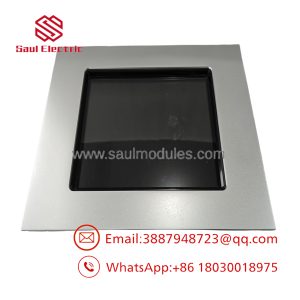
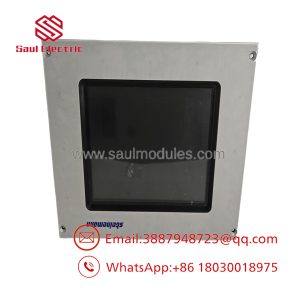
The Eaton MC2-442-57CQB-1-2A is an OEM industrial control module designed for use in specialized electrical control equipment and machine automation systems. It functions as an integrated electronic control assembly responsible for signal processing, system coordination, and equipment operation.
Unlike generic replacement boards, this module is manufactured for a specific Eaton platform. The exact hardware revision and connector configuration matter just as much as the part number itself. Before installation, verify the assembly number, firmware revision (if applicable), and connector layout against the OEM documentation to avoid compatibility issues.
Key Technical Specifications
Because Eaton has not publicly released a complete specification sheet for the MC2-442-57CQB-1-2A, only verifiable information should be stated. Unknown values are intentionally marked rather than guessed.
| Parameter | Value |
|---|---|
| Manufacturer | Eaton |
| Model | MC2-442-57CQB-1-2A |
| Product Category | Industrial Control Module |
| Installation | OEM equipment dependent |
| Hardware Revision | Verify before installation |
| Firmware | Verify installed revision if applicable |
| Connector Type | OEM-specific |
| Communication | Equipment dependent |
| Operating Voltage | Refer to OEM documentation |
| Mounting Method | OEM chassis mounting |
| Replacement Strategy | Match complete part number and hardware revision |
| Status | Legacy industrial spare part |
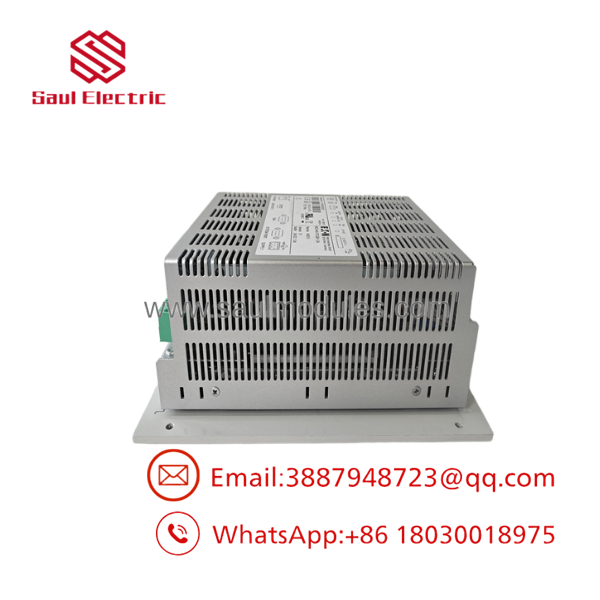
- MC2-442-57CQB-1-2A
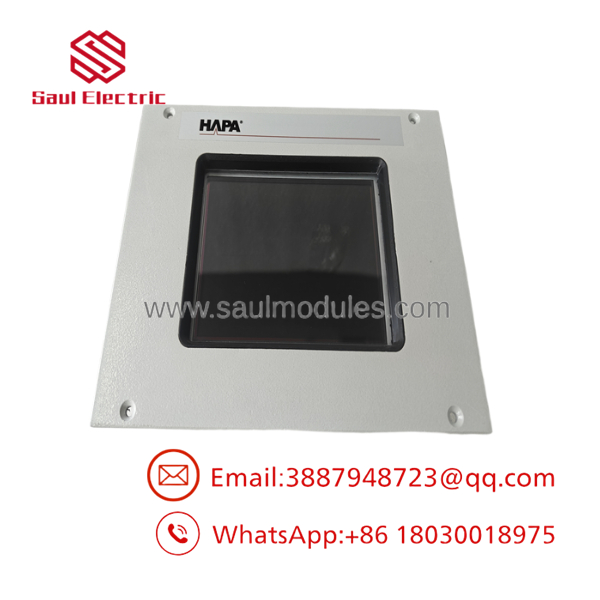
- MC2-442-57CQB-1-2A
Application Scenarios & The “Trench” Experience
Anyone who has maintained older production equipment knows this situation.
A packaging line stops without warning. Power supplies check out. I/O looks normal. The PLC remains online, yet the machine refuses to sequence. After tracing signals for hours, the fault ends up being an aging OEM control board that is no longer available from the machine builder.
That is exactly why many facilities keep modules like the MC2-442-57CQB-1-2A on the shelf.
Typical Applications
- Manufacturing — OEM machine control systems — Maintains compatibility with original machine electronics.
- Material Handling — Conveyor control equipment — Preserves existing wiring and interface architecture.
- Packaging — Machine sequence control — Eliminates extensive redesign during emergency repairs.
- Process Industries — Legacy electrical cabinets — Supports continued operation of older production assets.
Field Replacement Example
A food processing plant experienced an unexpected production stoppage during a weekend shift. Diagnostics isolated the fault to an OEM control assembly. Since the original machine builder quoted several weeks for replacement, a verified surplus was installed after confirming connector layout and hardware revision. Production resumed the same day, avoiding an extended shutdown and substantial product loss.
Transparency SOP: Quality Assurance & Testing
We don’t just ship boxes; we test them on actual industrial hardware whenever the product design allows.
- Inbound Inspection
- Verify Eaton identification labels.
- Inspect PCB condition.
- Check connectors for wear, corrosion, or mechanical damage.
- Confirm anti-counterfeit indicators where applicable.
- Live Rig Testing
- Power-on verification.
- Basic functional diagnostics.
- Interface communication checks when compatible test equipment is available.
- Electrical Parameter Checks
- Visual solder inspection.
- Power rail measurements.
- Connector continuity verification.
- Insulation testing where applicable.
- Firmware Verification
- Record firmware revision whenever accessible.
- Document hardware revision numbers.
- Compare revision against customer requirements.
- Final QC & Packaging
- Final inspection.
- Anti-static packaging.
- Shock-resistant packing materials.
- Individual serial tracking before shipment.
The Veteran’s Tech Trap Guide
⚠️ Verify the complete suffix.
MC2 assemblies often differ by only a few characters, yet those suffixes can represent different hardware revisions or machine configurations. Never assume similar-looking part numbers are interchangeable.
❗ Take photos before disconnecting anything.
Photograph every connector and cable routing before removing the old board. During a 2 AM shutdown, those photos are worth more than memory.
⚠️ Check firmware compatibility.
If the module stores configuration or firmware, a hardware replacement alone may not restore operation. Confirm firmware revisions before installation.
❗ Practice proper ESD protection.
Industrial control boards are vulnerable to electrostatic discharge. Wear a grounded wrist strap and handle the PCB only by its edges.
Frequently Asked Questions (FAQ)
Q1. Is the hot-swappable?
A: Assume No unless the OEM documentation explicitly states otherwise. Removing the module under power can damage equipment or corrupt controller operation.
Q2. Can this module replace other MC2 series boards?
A: Not necessarily. Eaton frequently assigns different hardware, firmware, or connector layouts to similar model numbers. Always match the complete part number.
Q3. Is firmware preloaded?
A: That depends on the original equipment design. Some boards contain factory firmware, while others rely on external controllers or configuration downloads.
Q4. Why is a surplus module less expensive than buying directly from the OEM?
A: Surplus inventory typically comes from canceled projects, plant closures, or excess stock. The lower price reflects sourcing rather than reduced quality, provided the module has been properly inspected and tested.
Q5. Is this a refurbished product?
A: It depends on the inventory offered. A New Surplus module has not been placed into production service. A Refurbished unit should have documented inspection and functional testing. Ask the supplier which condition is being supplied.
Q6. What warranty is typically provided?
A: Many industrial surplus suppliers provide a 12-month warranty on tested modules. Confirm the warranty terms before purchase.
Q7. What should I verify before installation?
A: Confirm:
- Complete model number
- Hardware revision
- Firmware revision (if applicable)
- Connector orientation
- Machine compatibility
- OEM wiring documentation
One thing to watch out for is documentation. Public technical information for the is extremely limited, so any installation should be based on the original machine documentation rather than assumptions. Verify exact connector pinouts, operating voltage, and compatibility with the OEM drawings before energizing the equipment.

 Start Chat


