





Description
Product Introduction & Engineering Value
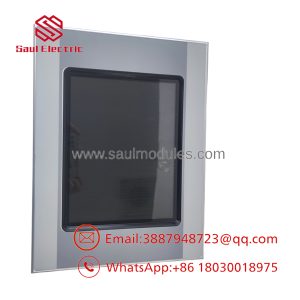
Dealing with a broken HMI terminal on a machine that relies on older Siemens MPI or Profibus architectures can be tricky. Standard modern replacement displays often require external protocol converters, which introduces data lag and adds point-of-failure vulnerabilities to your control enclosure. The Eaton XVH-340-57MPI-1-13 solves this engineering bottleneck by integrating a dedicated MPI interface directly into a compact, rugged 5.7-inch frame.
By pairing a specialized physical transceiver chipset with an infra-red touch grid behind laminated safety glass, this unit eliminates the typical failure points associated with fragile resistive plastic overlay screens. It serves as a reliable dropped-in hardware solution for maintaining legacy production infrastructure without needing a full PLC recoding or a complete re-engineering of your physical networks.
Technical Specifications
Because this specialized terminal serves as an explicit bridge to distinct industrial fieldbuses, its physical parameters are highly numerical and protocol-focused:
| Parameter | Specification Detail |
| Display Configuration | 5.7-Inch Diagonal Monochromatic or Color STN/TFT |
| Grid Resolution | 320 x 240 Pixels (QVGA Layout) |
| Operator Input Matrix | Infra-Red Light Interruption Optical Grid |
| Primary Network Interface | 1 x Sub-D 9-Pin MPI / Profibus-DP (Up to 12 Mbit/s) |
| Auxiliary Ports | 1 x RS232 Serial Port, 1 x CompactFlash Expansion Slot |
| Input Operational Power | 24V DC Nominal Requirements |
| Front Window Substrate | Hardened Laminated Protective Safety Glass |
| Ingress Protection Seal | IP65 Environmental Rating (Front Bezel Unit Assembly) |
Field Application & The “Trench” Experience
An engineer at an automated tire retreading plant faced a critical breakdown when an older vulcanization press console went non-responsive. The press operated via a localized, high-speed MPI token ring network back to a master logic controller. Finding an interface that could plug natively into that 9-pin sub-D network link without needing code rewrites was essential. Sapping out the old unit for a New Surplus XVH-340-57MPI-1-13, establishing the node address configuration, and slotting in the backup parameter card restored full press operations before the backlog disrupted the next shift.
Targeted Niche Applications:
- Multi-Zone Extruder Barrel Temperature Monitoring: Interfaces directly with legacy sub-networks to aggregate real-time heat zones.
- High-Frequency Stamping Press Counters: Mounts directly in high-vibration consoles where physical touch membranes routinely crack or drift.
- Pulp Stock Refining Chemical Feeds: Controls proportional chemical injection valves using thick-glove infra-red selection fields.
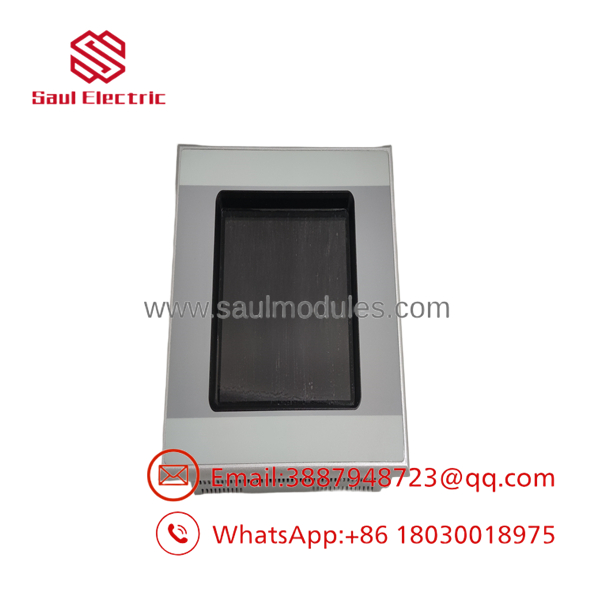
- XVH-340-57MPI-1-13
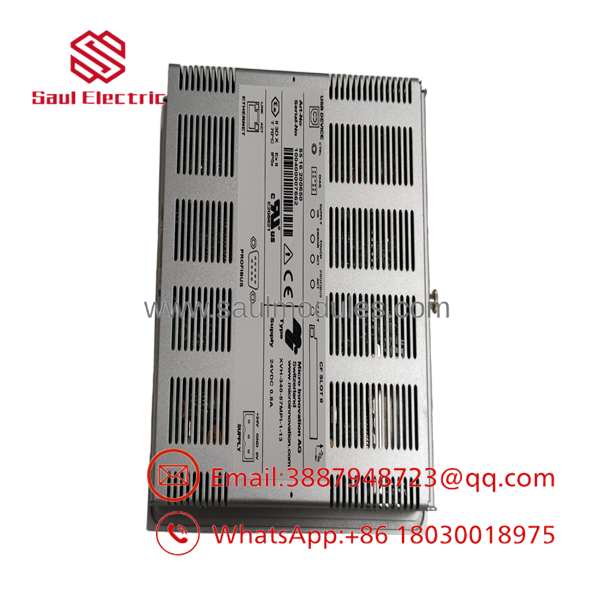
- XVH-340-57MPI-1-13
Transparency SOP: QA & Testing
Every XVH-340-57MPI-1-13 unit entering our inventory is subjected to a comprehensive multi-point validation protocol:
- MPI / Profibus Port Loopback Simulation: We connect the Sub-D 9-pin interface to an active network simulator, verifying stable token rotation and data block read/write commands at max baud rates.
- Infra-Red Beam Matrix Scan: An automated coordinate program tests the complete perimeter optical array to ensure immediate touch registration with zero dead zones.
- Power Regulation Stress: We sweep the incoming 24V DC source down to 18V and up to 30V to guarantee the internal display logic boards experience no flickering or processor brownouts.
- Thermal Stability Soak: The terminal undergoes an extended heat-chamber run to check for any component degradation or micro-crack expansion on the board surface.
The Veteran’s Tech Trap Guide
⚠️ CRITICAL RETROfit WARNINGS
- The MPI Node Address Trap: When dropping this unit into an existing network ring, verify your node address parameters exactly match the original unit configuration before plugging in the 9-pin cable. Duplicate node addresses on an active MPI network can cause data packet collisions, dropping unrelated machines off the network bus.
- Profibus Termination Resistance: If this terminal sits at the physical end of a network cable run, ensure the termination switch built into your Sub-D connector is flipped to the “ON” position. Omitting this termination resistor causes signal reflections that degrade communication stability.
- The Optical Track Cleanup: Because this screen relies on infra-red light beams running along the inner bezel edge, airborne oils or fine rubber dust can accumulate over time. Keep the inner channel clear of buildup to prevent random phantom inputs or input lockout faults.
Dynamic FAQ
- Q: Does the XVH-340-57MPI-1-13 require an external converter to communicate over a Siemens MPI network?
- A: No. The unit features a built-in, native MPI/Profibus physical transceiver port on the back chassis, allowing you to connect standard 9-pin industrial cables directly without adding third-party protocol adapters.
- Q: Can this terminal handle color graphics, or is it strictly a monochrome screen?
- A: The “57” designation indicates a 5.7-inch configuration profile. Depending on your specific firmware block and internal revision code, it supports standard industrial color mappings or high-contrast grayscale configurations designed for visibility on the plant floor.
- Q: How is the existing user application project backed up or transferred to a replacement unit?
- A: You can transfer the project file via the onboard RS232 serial interface using the original programming environment, or by copying the compiled runtime directory directly onto an industrial CompactFlash card inserted into the rear slot.
- Q: What kind of warranty coverage comes with your New Surplus XVH series inventory?
- A: We provide a full 12-month operational warranty starting from the date of shipment on all New Surplus and Refurbished units, covering all internal computing elements, ports, and display modules.

 Start Chat


