





Description
Product Introduction & Engineering Value
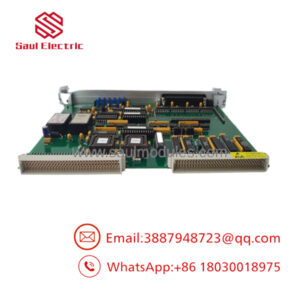
When a legacy CNC machine suddenly loses program execution, displays processor-related alarms, or fails during startup, the main CPU board becomes one of the critical areas for diagnosis. The FANUC A16B-3200-0600 provides the processing hardware required to keep older FANUC control platforms operating without replacing the entire CNC architecture.
For long-service machine tools, maintaining the original control generation is often the practical choice. A correct replacement requires matching the exact board number, CNC series, memory configuration, and existing system hardware revision.
Technical Specifications
| Parameter | Specification |
|---|---|
| Manufacturer | FANUC |
| Part Number | A16B-3200-0600 |
| Product Type | CNC Main CPU PCB |
| Board Category | Processor / Main Control Board |
| CNC Application | FANUC CNC control systems |
| Function | Program processing and machine control coordination |
| Installation Type | Rack / backplane mounted PCB |
| Interface Type | FANUC internal CNC bus architecture |
| Memory Function | CNC system program and parameter handling |
| Compatible Equipment | Legacy FANUC machine tool controls |
| Replacement Use | CNC restoration and repair |
| PCB Form Factor | FANUC control board format |
Note: Exact CNC compatibility depends on the complete control unit model, board revision, installed ROM configuration, and machine builder implementation.
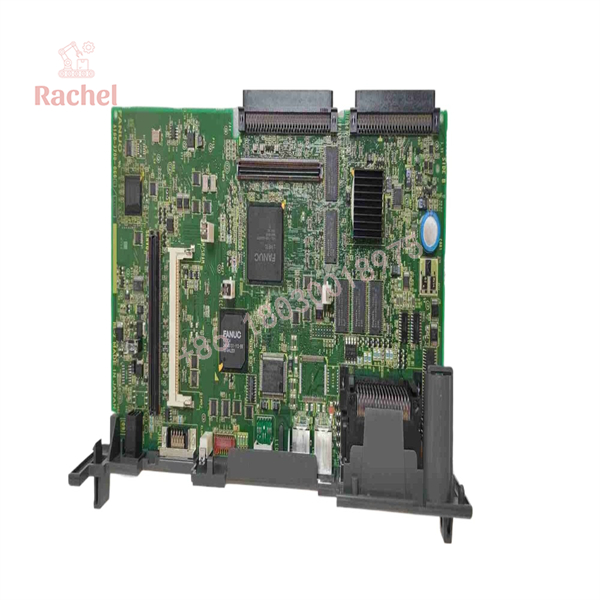
A16B-3200-0600
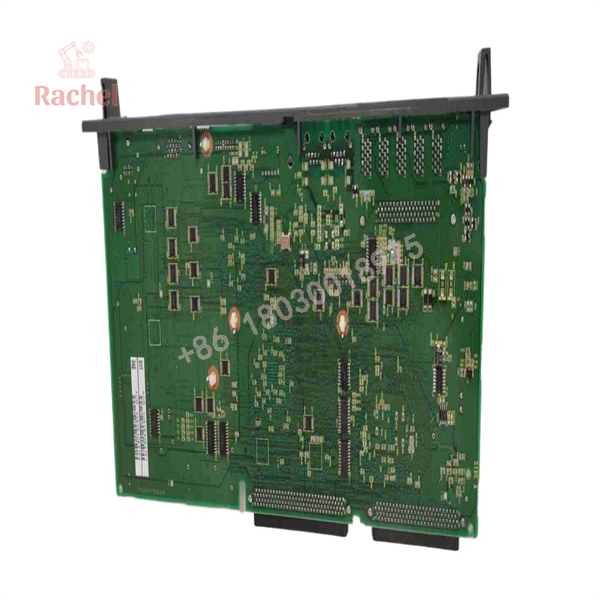
A16B-3200-0600
Field Application & The “Trench” Experience
A machining facility operating a decades-old CNC milling machine begins experiencing intermittent startup failures. Operators report that the machine sometimes boots normally but occasionally stops before reaching the normal CNC operation screen.
The maintenance team first checks power supply voltages, backplane connections, and memory modules. After eliminating external causes, the troubleshooting process points toward instability on the main CPU PCB.
A tested FANUC A16B-3200-0600 replacement board is installed. The technicians then restore machine data, verify CNC parameters, and perform a complete operational check.
The recovery sequence includes:
- Confirming board identification.
- Checking system startup.
- Reloading CNC parameters if required.
- Verifying operator interface communication.
- Running machine movement tests.
The field lesson: legacy CNC boards often fail gradually. Intermittent faults should be documented carefully because they may disappear temporarily before causing a complete machine shutdown.
Specific application scenarios
- Legacy CNC milling machines — restoring FANUC control processing capability.
- Older turning centers — replacing failed main processor assemblies.
- Precision machining equipment with FANUC controls — extending the service life of validated machine platforms.
Transparency SOP: QA & Testing
For New Surplus or Refurbished A16B-3200-0600 boards, inspection should focus on PCB condition, processor operation, and system compatibility.
Board Inspection Procedure
1. Identification Check
- Verify FANUC label.
- Confirm:
- A16B-3200-0600
- Record PCB revision information.
2. Physical Examination
- Inspect PCB surface.
- Check edge connectors.
- Examine IC sockets.
- Look for corrosion or contamination.
3. Component Review
- Inspect capacitors.
- Check ROM and memory devices.
- Verify processor-related components.
4. Functional Testing
- Install in compatible FANUC CNC hardware.
- Verify system startup.
- Check communication with connected boards.
- Confirm alarm-free operation.
5. Final Handling
- Use anti-static protection.
- Secure PCB during transport.
- Record test results.
The Veteran’s Tech Trap Guide
⚠️ Trap #1 — Assuming every A16B-3200 board is interchangeable
FANUC A16B boards may appear similar while belonging to different CNC generations.
Check:
- Complete board number
- Revision suffix
- CNC model
- Machine builder configuration
PRO TIP: The six-digit and revision information on the PCB label matters.
⚠️ Trap #2 — Forgetting CNC data backup
Replacing a CPU board may require restoration of:
- CNC parameters
- PMC data
- Tool data
- Machine-specific settings
Always secure machine data before removing the original board whenever possible.
⚠️ Trap #3 — Ignoring memory configuration
A replacement CPU board with different ROM or memory contents may power up but fail to operate correctly.
Verify:
- ROM contents
- Memory modules
- Software version
- CNC option configuration
⚠️ Trap #4 — Treating intermittent faults as software problems
Older CNC systems often develop hardware-related issues from:
- Aging capacitors
- Oxidized connectors
- Heat exposure
- Backplane contact problems
A complete hardware inspection is often required.
Dynamic FAQ
Q1: What is FANUC A16B-3200-0600?
The FANUC is a CNC main CPU control board used in legacy FANUC machine tool control systems.
Q2: What does the A16B-3200-0600 board control?
The board provides central processing functions for CNC operation, including program execution, machine control coordination, and communication with other CNC modules.
Q3: Is A16B-3200-0600 compatible with all FANUC CNC systems?
No. Compatibility depends on:
- CNC series
- Control unit model
- Board revision
- ROM configuration
- Machine builder implementation
Q4: What should be checked before replacing this CPU board?
Confirm:
- Existing board part number
- CNC model
- ROM labels
- Memory modules
- Machine parameters
- Actual PCB photos
Q5: Can a refurbished A16B-3200-0600 be used in production equipment?
Yes, if the board has been properly inspected and function-tested on compatible FANUC hardware. Testing should include startup verification, communication checks, and system operation validation.
Q6: Iplus unused?
New Surplus generally refers to unused industrial inventory stored after original production. Buyers should verify storage condition, packaging, labeling, and warranty terms.
Q7: What causes FANUC CPU boards to fail?
Common causes include:
- Aging electronic components
- Power supply instability
- Heat exposure
- Memory device failure
- Connector oxidation
- Electrical disturbances
A full CNC system diagnosis is recommended before replacing the processor board.


 Start Chat


