





Description
Product Introduction & Engineering Value
Legacy embedded systems deployed in telecom, defense, and industrial automation rely heavily on standardized CompactPCI backplanes that demand rugged processing hardware. The Force Computers CPCI-680 single board computer delivers robust embedded processing power designed to withstand harsh operating environments without compromising data throughput.
Engineered for seamless integration into existing 3U or 6U cPCI subracks, the CPCI-680 handles demanding real-time operating systems and multi-interface communications. Systems integration engineers rely on its proven form factor and reliable backplane connectors to keep legacy mission-critical infrastructure operational without undergoing expensive full-system hardware redesigns.
Technical Specifications
- Board Form Factor: Standard CompactPCI (cPCI) Eurocard module format
- Architecture: High-performance embedded CPU core optimized for industrial and defense applications
- Bus Interface: cPCI backplane master/slave communication interface
- Memory Architecture: Onboard soldered/socketed RAM and Flash configuration for firmware/OS storage
- Peripheral I/O: Serial communication ports, Ethernet interfaces, and front/rear panel connectivity
- Diagnostic Features: Board-level status LEDs (RUN, FAIL, ACTIVE)
- Power Requirements: Powered directly via cPCI backplane power pins (+5V, +3.3V, +12V rails)
- Operating Temperature: Standard industrial operating range (0°C to 50°C / extended variants dependent on build)
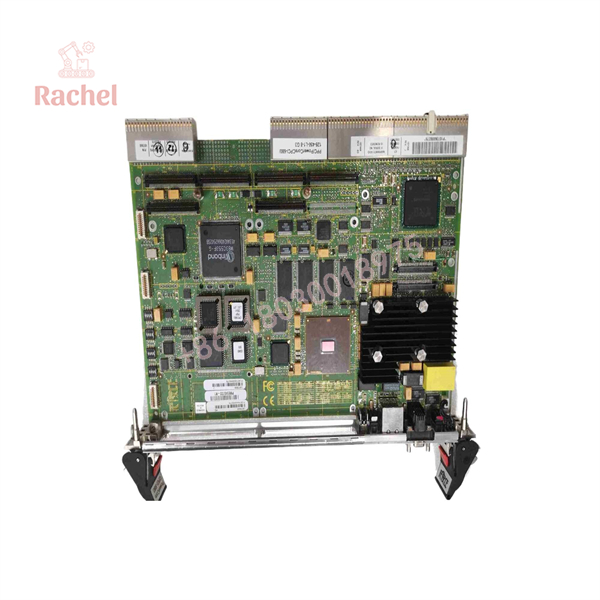
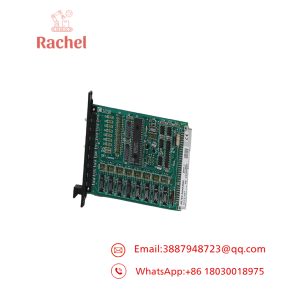
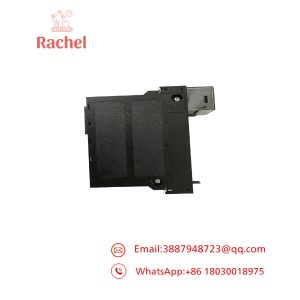
CPCI-680
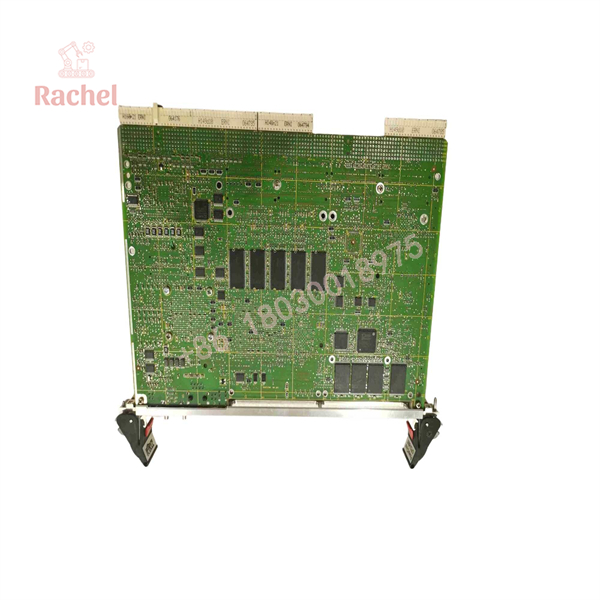
CPCI-680
Field Application & The “Trench” Experience
During routine maintenance on an offshore platform’s SCADA data concentrator rack, a legacy Force Computers cPCI CPU board suffered a permanent core failure due to an upstream power surge. The facility faced stringent operational compliance deadlines, and rewriting the custom real-time OS image for a modern commercial off-the-shelf motherboard was entirely unviable. The instrumentation lead retrieved a verified, bench-tested surplus CPCI-680 board from emergency stores, verified the mezzanine module configurations, and slid the board into the cPCI backplane slot. The unit booted the custom OS image on the first power cycle, re-established network handshakes with the remote telemetry units, and restored full data logging within twenty minutes.
Targeted Application Scenarios:
- Defense & Aerospace Telemetry Concentrators: Managing multi-channel data acquisition and protocol conversion over robust cPCI backplanes.
- Industrial Telecom Switching Nodes: Executing real-time packet routing and system health monitoring in remote enclosures.
Transparency SOP: QA & Testing
Step 1: Visual & Optical Component Inspection Microscopic check of all cPCI gold-finger edge connectors, surface-mount ICs, and solder joints for oxidation, dust contamination, or mechanical stress.
Step 2: Backplane Power Rail Resistance Test Measuring internal power rail impedance to ground to ensure zero short-circuits across the multi-layer PCB traces prior to energizing.
Step 3: Test Chassis Boot & BIOS/Firmware Audit Insertion into a live cPCI test backplane to verify clean power-up sequences, memory address integrity, and communication port handshakes.
Step 4: Thermal Stress Burn-In 24-hour continuous operation test under a controlled thermal load chamber to weed out infant mortality component failures before warehouse stocking.
The Veteran’s Tech Trap Guide (Crucial Value-Add)
⚠️ BACKPLANE PIN ALIGNMENT HAZARD: The multi-pin high-density connectors on the rear edge of the CPCI-680 are extremely delicate. Always ensure the board slides squarely along the subrack card guides before engaging the injector/ejector handles. Forcing a misaligned card will bend backplane pins and cause catastrophic bus failures.
PRO TIP: Before swapping a CPCI-680 board, back up any removable boot media, flash cards, or non-volatile storage configurations. Swapping the CPU board without transferring the specific firmware boot parameters or license keys will prevent the real-time operating system from initializing.
Dynamic FAQ
- Q: Is the CPCI-680 compatible with standard 3U and 6U cPCI chassis backplanes?
- A: Compatibility depends on the exact mechanical layout and part number variant of your subrack. Always cross-reference your specific chassis slot profile before ordering.
- Q: Can I transfer my existing OS boot media directly to a replacement CPCI-680?
- A: Yes, provided the replacement board matches the exact hardware revision and memory configuration, your existing boot drive or flash card can be moved over directly.
- Q: Are these legacy Force Computers boards brand new or refurbished?
- A: Because these systems are long-discontinued by the OEM, our stock consists of verified New Surplus and fully reconditioned, bench-tested units.
- Q: What warranty coverage comes with this board?
- A: Every CPCI-680 unit is backed by our comprehensive 12-month full replacement warranty covering all functional performance aspects.

 Start Chat


