





Description
Product Introduction
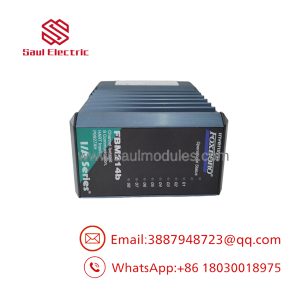
The Foxboro P0917XV (often ordered as the conformal-coated variant P0917XV-OC) is a high-reliability communication interface module engineered for the Foxboro I/A Series Distributed Control System (DCS). Operating directly on modular baseplates within industrial control cabinets, this unit handles deterministic data transfer between field I/O modules, fieldbus processors, and higher-level system networks.
Built to withstand harsh electrical and ambient conditions, the P0917XV maintains high noise immunity and prevents data packet dropouts on critical process control loops. Replacing an aging or degrading P0917XV module stabilizes bus communications, eliminates false fieldbus faults, and restores reliable real-time telemetry across your plant automation architecture.
Key Technical Specifications
| Parameter | Value |
| Manufacturer | Foxboro / Schneider Electric |
| Part Number | P0917XV / P0917XV-OC |
| System Platform | Foxboro I/A Series DCS |
| Module Function | Communication Interface / Fieldbus Processor |
| Input Power | 24 V DC (Supplied via Baseplate Interface) |
| Protective Coating | Optional Conformal Coating (“-OC” Suffix) |
| Mounting Style | Foxboro Modular Baseplate Slot |
| Operating Temperature | 0°C to +60°C (32°F to 140°F) |
| Storage Temperature | -40°C to +85°C (-40°F to 185°F) |
| Relative Humidity | 5% to 95% non-condensing |
| Diagnostic Indicators | Front Panel Status, Power, and Bus Activity LEDs |
Application Scenarios & The “Trench” Experience
It is 2:30 AM during a peak production run at a continuous chemical processing plant. Out of nowhere, the secondary communication channel on a critical I/A Series node drops offline. An intermittent internal timing fault on a legacy processor card is flooding the fieldbus backplane with comm errors, threatening to halt reactor feed pumps. If the primary channel drops before you swap in a healthy card, the whole line trips—costing tens of thousands in lost product.
- Chemical Manufacturing – Reactor Loop Monitoring – Maintains uninterrupted data streams between field instruments and central controllers in aggressive ambient conditions.
- Oil & Gas Processing – Pipeline Pump Stations – Prevents telemetry dropouts on long-distance communication lines exposed to high electrical interference.
- Power Generation Facilities – Boiler Control Racks – Handles rapid I/O refresh cycles across distributed baseplates without buffer overruns.
- Pharmaceutical Batching – Sterile Processing Skid Controls – Ensures zero packet loss during critical batch validation phases.
Field Case Study: Rapid Module Swap Restores Refinery Loop
A Midwest petroleum refinery experienced intermittent fieldbus sync failures on an I/A Series cabinet driving a main flare gas header. The issue was traced to a deteriorating component on an older card, causing voltage jitter on the internal bus line. Unscheduled plant downtime was estimated at over $40,000 per hour.
We pulled a tested -OC module from our warehouse inventory and shipped it via overnight priority courier to the plant site. The duty technician hot-swapped the card into the redundant baseplate slot, verified the green diagnostic status LEDs, and cleared all system alarms. Total downtime was minimized, keeping the refinery online and operating safely.
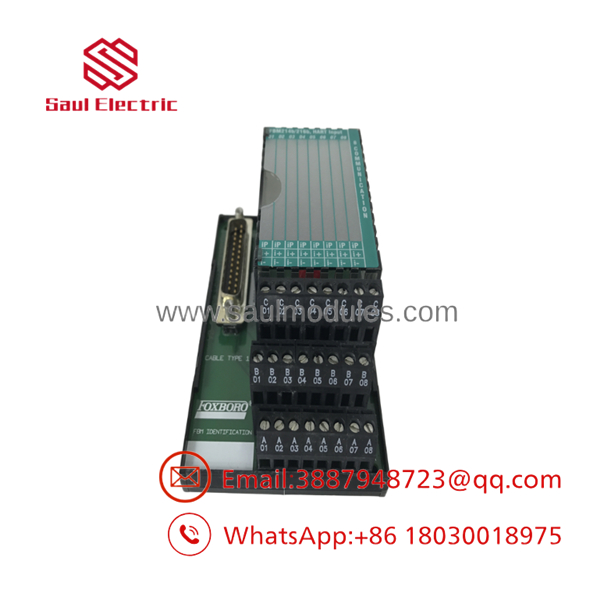
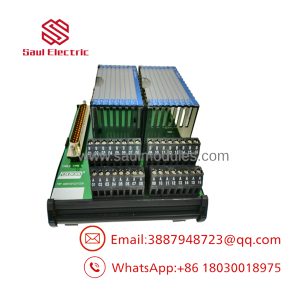
P0917XV
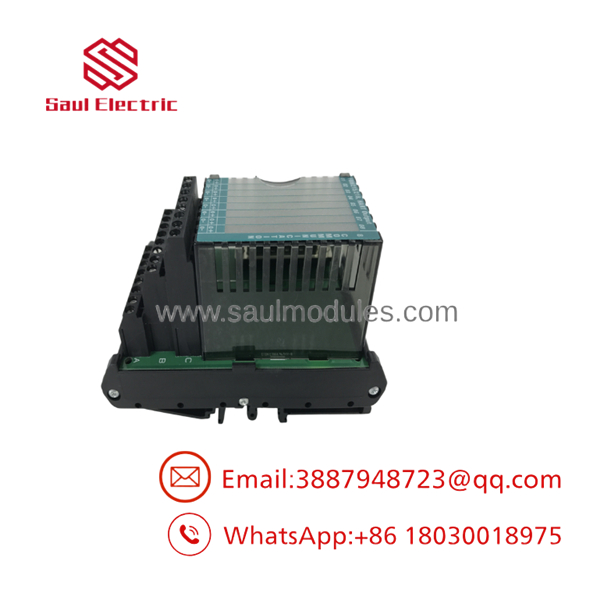
P0917XV
Transparency SOP: Quality Assurance & Testing
We do not just pull vintage components out of storage and put them in shipping boxes. Every single Foxboro card undergoes a multi-step physical and electrical testing protocol before receiving a pass sticker:
- Inbound Visual & Physical Inspection: Inspect backplane pin alignment, card edge contacts, trace conditions, and solder joints for signs of heat stress or physical wear.
- Live Rack Mount Testing: Seat the onto an active Foxboro I/A Series test bed running real-time communication cycles.
- Bus Stress & Traffic Testing: Run continuous high-throughput data loads across the board to confirm zero packet loss and verify timing synchronization.
- Thermal Limit Check: Monitor power rails and onboard components under elevated operating temperatures to catch intermittent heat-induced logic faults.
- Anti-Static Packaging: Apply QC pass tags, seal in heavy-duty ESD shielding bags, and pack with custom foam to guarantee damage-free transit.
“We don’t just ship boxes; we test them on actual Foxboro racks.”
The Veteran’s Tech Trap Guide
- ⚠️ Confirm Conformal Coating Requirements: If your cabinet is located in a harsh or high-humidity environment (like a paper mill or wastewater treatment plant), verify whether you need the
-OC(conformal coated) version. Using an uncoated board in a corrosive atmosphere will shorten its operating life significantly. - ❗ Check Baseplate Connector Pins First: Before sliding the replacement card into the slot, shine a light into the baseplate receptacle. A bent pin inside the connector will crush the female contacts on your replacement card and can short out internal 24V power traces.
- ⚠️ Verify Redundancy Status Before Extraction: When replacing this module on a live redundant rack, check the system diagnostic screen on your workstation first. Confirm that the secondary module has taken over active comm loads before pulling the suspect card.
- ❗ Never Force the Module Latches: Foxboro boards slide smoothly on their card guide tracks. If you encounter hard resistance halfway through insertion, stop immediately. Pull the board out and inspect the guide rails for misalignment or debris.
Frequently Asked Questions (FAQ)
Q: What is the primary function of the Foxboro module?
The serves as a fieldbus processor and communication interface card within Foxboro I/A Series DCS architectures, routing logic and telemetry data between baseplate segments and control modules.
Q: What does the “-OC” suffix stand for on the -OC?
The “-OC” suffix stands for “Option Coated” (conformal coating). This protective chemical layer guards sensitive internal electronics against moisture, airborne sulfur, and industrial dust.
Q: Is the card hot-swappable in a running system?
Yes, in redundant Foxboro I/A Series baseplate configurations, you can pull and replace a secondary processor module while the rack is powered. Always verify on the system diagnostic screen that the primary channel is healthy before extracting the card.
Q: Are the and -OC electrically compatible?
Yes. Both variants share identical electrical specifications, pinouts, and logic functi can directly replace a standard in any compatible baseplate slot.
Q: What warranty coverage do you offer on surplus Foxboro hardware?
All our new surplus and reconditioned Foxboro units are backed by a comprehensive 12-month operational warranty. If a board experiences a failure under normal operating conditions within a year, we replace it or issue a full refund.
Q: Does the require user software configuration or flashing before installation?
No. The operates at the hardware communication layer. It receives its operational parameters directly from the system backplane and controller upon system boot, making it direct plug-and-play hardware.

 Start Chat


