





Description
Product Introduction
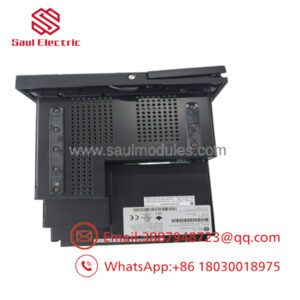
The GE DS200TCEAG1BTF serves as the primary Emergency Trip Terminal Board within General Electric Speedtronic Mark V turbine management systems. Hardwired into the protective core, this specialized board handles critical trip signals—including electronic hardware overspeed protection, flame detection interlocks, and manual emergency stop inputs—relaying them straight to the main trip solenoids.
In our field experience, the DS200TCEAG1BTF is the ultimate mechanical safety net for heavy industrial turbines. Unlike software-driven process trips processed in the application logic layer, this card routes hardware-level trip signals through voted contact paths. This guarantees immediate, deterministic shutdown execution even if the primary control processors suffer a catastrophic software lockup.
Key Technical Specifications
| Parameter | Value |
| Manufacturer | General Electric (GE) |
| Part Number | DS200TCEAG1BTF |
| Control System | Speedtronic Mark V |
| Functional Role | Emergency Trip & Overspeed Protection Terminal Board |
| Revision Level | G1BTF (Artwork & Hardware Revision Group) |
| Protective Redundancy | TMR (Triple Modular Redundant) Voting Interface |
| Input Channels | Magnetic Speed Pickup Inputs, E-Stop Contact Inputs |
| Output Interfacing | Trip Solenoid Driver Relay Channels / ETR Interlocks |
| Bus Connection | High-density multi-pin ribbon cables to P core / TCQA boards |
| Operating Temperature | 0°C to 60°C (32°F to 140°F) |
Application Scenarios & The “Trench” Experience
Picture a high-stakes scenario: your 150MW steam turbine is shedding a heavy electrical load following a grid trip. The turbine shaft speed spikes rapidly toward overspeed. The primary control system commands the governor valves shut, but you need absolute certainty that the mechanical emergency trip solenoid drops out before the rotor reaches destructive speeds. The DS200TCEAG1BTF processes the raw magnetic pulse signals directly from the shaft transducers, executes hardware voting, and de-energizes the main trip solenoid in milliseconds—preventing a catastrophic turbine failure.
- Heavy-Duty Gas Turbines – GE Frame 6B, 7FA, and 9E Systems – Manages hardwired electronic overspeed trip circuits and master protective interlocks.
- Utility Steam Power Plants – High-Pressure Boiler & Turbine Units – Connects physical emergency stop pushbuttons and hydraulic trip solenoid interface circuits.
- Petrochemical Mechanical Drives – Large Compressor Turbines – Provides independent safety shutdown pathways isolated from daily process control loops.
During a forced outage at a chemical plant, a lightning strike induced a voltage surge that damaged the trip contact relays on an older DS200TCEA board, locking the turbine out from starting. The plant was losing $40,000 every hour the compressor sat idle. We dispatched a fully tested, pre-inspected DS200TCEAG1BTF board via courier. The onsite instrument team installed the board, cleared the latching hardware fault, verified the overspeed voting logic, and fired up the turbine that same evening.
Transparency SOP: Quality Assurance & Testing
We don’t just ship boxes; we test them on actual GE Mark V racks.
- Inbound Visual Inspection: Thorough microscopic check for trace hairline cracks, blown surge suppressors, burnt relay pads, and ribbon header pin integrity.
- Frequency & Pulse Signal Verification: Signal generators simulate high-frequency pulse streams from speed pickups to verify overspeed threshold detection limits.
- Hardware Voting Logic Checks: Testing 2-out-of-3 (2OO3) trip contact continuity across the triple-redundant channels to confirm deterministic trip isolation.
- Relay Contact Resistance Testing: Measuring micro-ohm contact resistance on onboard trip relays under simulated high-voltage DC load conditions.
- ESD Static Shielding & Packaging: Cleared boards are vacuum-sealed in static-shielding bags with moisture desiccant and packed in heavy-duty foam enclosures.
The Veteran’s Tech Trap Guide
- ⚠️ Confirm Hardware Jumpers Before Power-Up: The DS200TCEAG1BTF contains critical hardware jumpers that define speed sensor signal conditioning and trip contact configuration (NO vs. NC). Copy every single jumper position from your original board. Leaving a jumper floating can result in an instant lockout trip upon power-up.
- ❗ Never Hot-Swap Protective Cards: Pulling or inserting this board while the Mark V rack is energized will instantly trip the turbine safety loop and can send voltage transients through adjacent ribbon cables, destroying delicate logic gates on connected processor cards.
- ⚠️ Inspect Speed Sensor Wiring Isolation: If you experienced a unexplained overspeed trip prior to replacing the card, check the magnetic speed pickup cable shielding. Noise induced on unshielded speed sensor cables can mimic an actual overspeed event to the TCE board.
- ❗ Pay Close Attention to the “BTF” Revision: The “BTF” suffix indicates specific board artwork and component updates. While earlier G1 versions look physically identical, installing a mismatched revision level in a TMR (Triple Modular Redundant) architecture can cause voting mismatch alarms across the R, S, and T cores.
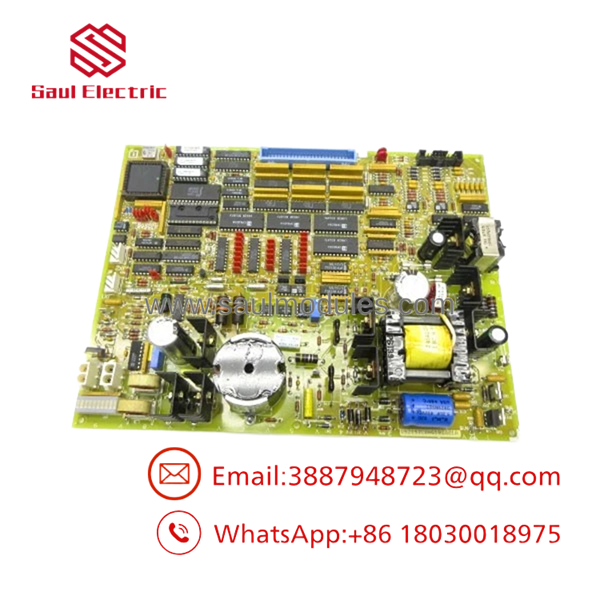
DS200TCEAG1BTF
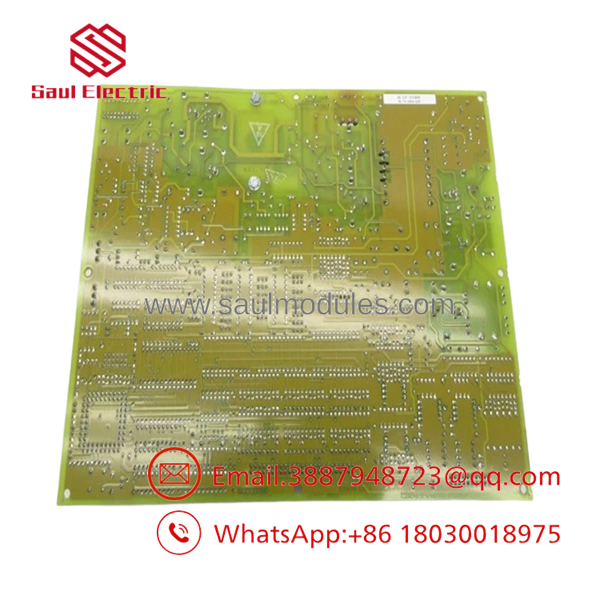
DS200TCEAG1BTF
Frequently Asked Questions
- Q: Is the GE DS200TCEAG1BTF hot-swappable?
- A: Absolutely not. Disconnecting this board while the system is powered will break the safety loop, tripping the turbine instantly and potentially damaging backplane communication chips.
- Q: What is the primary function of the DS200TCEAG1BTF board?
- A: It handles emergency trip signals, processes hardware overspeed detection from speed sensors, and interfaces direct-wired shutdown commands with the main Emergency Trip Relay (ETR) circuits.
- Q: Can I use a DS200TCEAG1BTF to replace an older DS200TCEAG1A card?
- A: Yes, later engineering revisions like G1BTF are generally backward compatible, provided you match hardware jumper positions and verify system firmware compatibility according to your Mark V manual.
- Q: Do you test the overspeed response speed on these boards before selling?
- A: Yes. Every board is mounted on a Mark V simulation rack where frequency generators inject speed signals to verify precise trip actuation and relay contact state changes.
- Q: What warranty coverage do you provide?
- A: We back all New Surplus and Refurbished GE Mark V inventory with a full 12-month replacement warranty.
- Q: Why opt for surplus inventory over direct OEM channels?
- A: GE Speedtronic Mark V equipment is legacy hardware. OEM lead times can extend for months, or parts may be completely obsolete. Sourcing verified surplus delivers immediate, field-ready spares to eliminate costly plant downtime.


 Start Chat


