





Description
Product Introduction
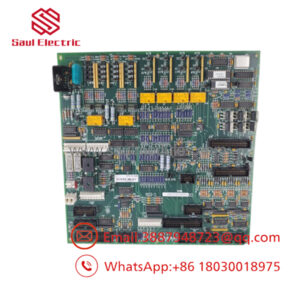
The GE DS200TCEBG1BAA is a critical Emergency Trip and Overspeed Protection Board (TCEB) designed for GE Speedtronic Mark V turbine control systems. Located within the core control loops (typically interfacing with the protective <P> or <R>, <S>, and <T> triple-modular redundant cores), this card provides independent hardware-level overspeed detection and emergency shutdown capabilities.
Unlike standard analog I/O boards that process routine process variables, the TCEB board operates as an integral layer of safety instrumentation. It conditions raw pulse signals from magnetic speed pickups on the turbine rotor shaft, evaluates flame detector status, and drives heavy-duty trip solenoids directly when an overspeed or emergency shutdown threshold is breached—bypassing standard software loop execution delays for maximum protection.
Key Technical Specifications
| Parameter | Specification / Value |
| Manufacturer | General Electric (GE) |
| System Architecture | Speedtronic Mark V Gas/Steam Turbine Control |
| Board Functional Acronym | TCEB (Emergency Trip / Overspeed Board) |
| Speed Input Signals | Passive & active magnetic speed pickups (Pulse-rate frequency inputs) |
| Trip Circuit Interface | Direct relay outputs to Master Protective Solenoid (203) circuits |
| Primary Connectors | 50-pin ribbon headers (JCE, JCF, JCG), 3PL backplane interface |
| Hardware Configuration | Physical BERG jumpers for pickup voltage threshold & trip frequency tuning |
| Diagnostic Indication | Edge-mounted status LEDs (Trip Active, Power, Fault) |
| Memory Architecture | Socketed EPROM/PROM modules carrying core firmware parameters |
| Board Form Factor | Standard Mark V full-size PCB (~21.2 cm x 15 cm) |
Application Scenarios & The “Trench” Experience
The Trench Story
During a full-load rejection test on a 7EA gas turbine, the unit sheds grid load and ramps up in speed toward its mechanical overspeed threshold. The primary control system commands fuel valve closure, but a hardware fault on the old TCEB card in the protective core fails to register the pulse-rate frequency change from the magnetic pickup on the rotor shaft. The backup mechanical overspeed trips the unit, but the HMI logs a fatal “Protective Core Trip Discrepancy.” Upon pulling the board, techs discover degraded frequency-to-voltage conversion capacitors on the TCEB card. Swapping in a certified DS200TCEBG1BAA board restores millisecond-accurate overspeed detection and clears the protective core mismatch alarms.
Industrial Applications
- Gas Turbine Overspeed Protection: Monitoring magnetic pickups on GE Frame 5, 6, 7, and 9 turbines to execute instant fuel cutoff during runaway conditions.
- Steam Turbine Trip Logic: Interfacing with main stop valve solenoids and overspeed trip systems on combined-cycle steam turbines.
- Flame Detection Interlocks: Processing UV/optical flame sensor inputs to verify combustor ignition and prevent explosive fuel accumulation.
- Trip Solenoid Power Control: Direct driving of 125VDC or 24VDC master protective solenoid valves (203/ETD).
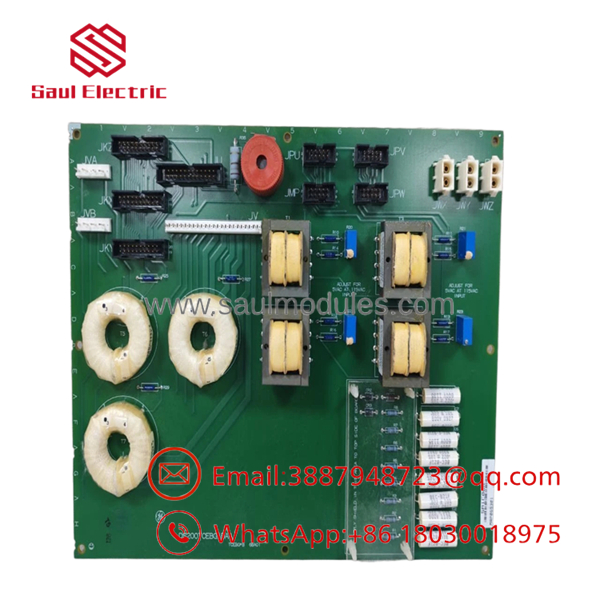
DS200TCEBG1BAA
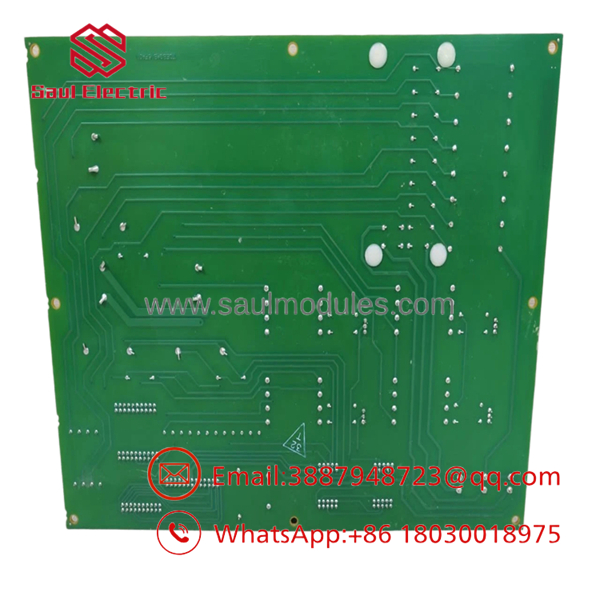
DS200TCEBG1BAA
Transparency SOP: Quality Assurance & Testing
We don’t just pull legacy boards out of a warehouse box and throw them into a crate; we validate them on live GE Mark V rack setups.
- Inbound Physical Inspection: Complete visual audit under magnification. Inspection for trace corrosion, bulging electrolytic capacitors, damaged ribbon pins, and verification of genuine OEM solder profiles.
- Anti-Static ESD Cleaning: Ultrasonic aqueous bath to remove industrial carbon dust and airborne oil film, followed by thermal drying.
- Frequency Input & Relay Testing: Signal generator testing across all magnetic pickup channels (0–15 kHz) to verify frequency-to-voltage conversion accuracy and trip point relay actuation.
- Live Mark V Core Testing: Board installation into a live Speedtronic Mark V test rig (
<P>or<R>,<S>,<T>cores). Verification of green LED self-test, boot cycle, and communication via the 3PL backplane connector. - Simulated Overspeed Trip Runs: Executing controlled frequency ramp tests to verify that direct trip outputs activate within OEM response time specifications.
- Firmware Version Logging & Anti-Static Packaging: Documenting all socketed EPROM revision tags before vacuum-sealing the board in anti-static ESD shielding.
The Veteran’s Tech Trap Guide (Crucial Value-Add)
⚠️ 1. Magnetic Pickup Threshold Jumpers (BERG Jumpers)
The DS200TCEBG1BAA features onboard jumpers that configure input gain and voltage thresholds for the magnetic speed pickups. If the replacement card jumpers are set for active (powered) pickups while your turbine uses passive pickups, the card will fail to sense rotor RPM entirely, causing an immediate “Loss of Speed Signal” trip upon startup.
Fix: Carefully audit every jumper position on the old board before removal and match them exactly on the replacement DS200TCEBG1BAA card.
❗ 2. Socketed EPROM Transfer
This card uses socketed PROM modules containing specialized firmware definitions for trip limits and frequency thresholds. Inserting a replacement board with mismatched EPROM software will cause the Mark V Stage One processor to reject the card and flag a major I/O configuration fault.
Fix: Use an IC extraction tool to transfer the original socketed PROMs from your old board to the new one. Ensure correct chip orientation—pin 1 notch must align with the socket notch.
⚠️ 3. Revision Suffix Matching (G1BAA)
The BAA suffix denotes late-lifecycle engineering updates to the board layout, specifically improving signal filtration against high-frequency electromagnetic interference (EMI) from adjacent ignition transformers. Installing an earlier G1A card in place of a G1BAA can introduce speed signal jitter during turbine startup.
Fix: Verify that the full revision string (DS200TCEBG1BAA) matches your existing panel documentation and card label.
Frequently Asked Questions (FAQ)
Q: Can I replace a DS200TCEBG1BAA card while the turbine is running online?
A: No. The TCEB board is a critical component of the turbine’s emergency trip and overspeed protection circuit. Pulling this card live will interrupt the trip loop or cause an immediate, uncontrolled turbine trip. Always shut down the unit and isolate core power before servicing.
Q: What is the primary functional difference between a TCEB board and a TCCB board?
A: The TCCB board processes general extended analog signals like PT/CT power transducers and RTD thermal inputs. The TCEB (DS200TCEBG1BAA) is dedicated to safety and protection—processing pulse-rate speed inputs for overspeed trip logic and flame detection loops.
Q: What does the ‘BAA’ revision code at the end of the part number mean?
A: In GE Mark V nomenclature, G1 represents the hardware group, while BAA designates sequential artwork and component revisions. The BAA revision includes upgraded noise suppression filters and revised ground plane layouts implemented to prevent nuisance overspeed trips.
Q: Why does my Mark V HMI show a “Speed Signal Discrepancy” alarm after installing a new TCEB board?
A: This usually indicates either mismatched onboard jumpers for the magnetic pickup input levels, a missing/corrupted socketed EPROM, or improper seating of the 50-pin ribbon connectors (JCE/JCF). Verify jumper configurations against your old card and ensure ribbon cables are seated square and tight.
Q: What warranty is supplied with your surplus and refurbished stock?
A: Every DS200TCEBG1BAA module shipped carries a full 12-month replacement warranty. If a board fails under normal operating conditions within one year of installation, we replace it immediately from our stock.

 Start Chat


