





Description
Product Introduction
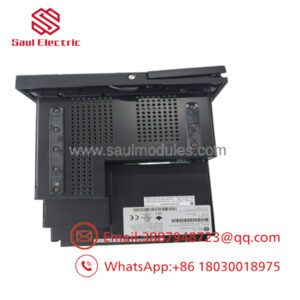
The GE DS200TCQAG1ABB functions as an Extended Analog I/O Board (TCQA) within the GE Speedtronic Mark V turbine control system. Serving as a crucial expansion interface, it scales, conditions, and processes specialized field signals—including optical flame detector inputs, 4–20 mA process loops, LVDT position feedbacks, and shaft grounding voltage/current telemetry.
Operating alongside primary STCA or TCCA core processor cards, the TCQAG1ABB offloads raw analog signal processing through dedicated onboard conditioning circuits. This architecture delivers the rapid signal response needed for critical flame detection monitoring and precise valve positioning across gas and steam power plants.
Key Technical Specifications
| Parameter | Specification |
| Manufacturer | General Electric (GE) |
| Part Number | DS200TCQAG1ABB |
| System Compatibility | Speedtronic Mark V Control Systems |
| Board Acronym | TCQA (Extended Analog I/O Board) |
| Group / Revision | Group 1 (G1ABB) |
| Specialized Inputs | Flame Detector (Ultraviolet/Optical) inputs, Shaft Grounding V/I |
| Standard Inputs | 4-20mA, 0-1mA, LVDT/RVDT position feedback channels |
| Firmware Storage | Onboard socketed EPROM/EEPROM chips |
| Connectors | 3PL (Core bus communication), 2PL (Power input), JHS (Field I/O) |
| Operating Temp | -30°C to +65°C (-22°F to +149°F) |
Application Scenarios & The “Trench” Experience
During a cold start on a combined-cycle unit, the turbine trips unexpectedly on a false “Loss of Flame” alarm across combustor cans. Field sensors test healthy, but diagnostics show erratic optical flame signal drops coming into the Mark V panel. The culprit is a failing operational amplifier in the signal conditioning stage of the original TCQA board. With generation commitments looming, swapping in a fully bench-tested DS200TCQAG1ABB board and transferring the socketed ICs clears the signal noise, allowing successful ignition and grid synchronization.
- Gas Turbine Systems – Combustor Flame Monitoring – Processes weak optical flame sensor signals to verify combustion integrity during start ramps and baseload operations.
- Steam Turbine Control – Shaft Grounding & Voltage Monitoring – Reads shaft voltage and current to prevent bearing fluting and electrical discharge damage.
- Power Plant Utilities – Servo & Valve Position Loops – Pre-conditions LVDT feedback loops for main stop and control valve positioning.
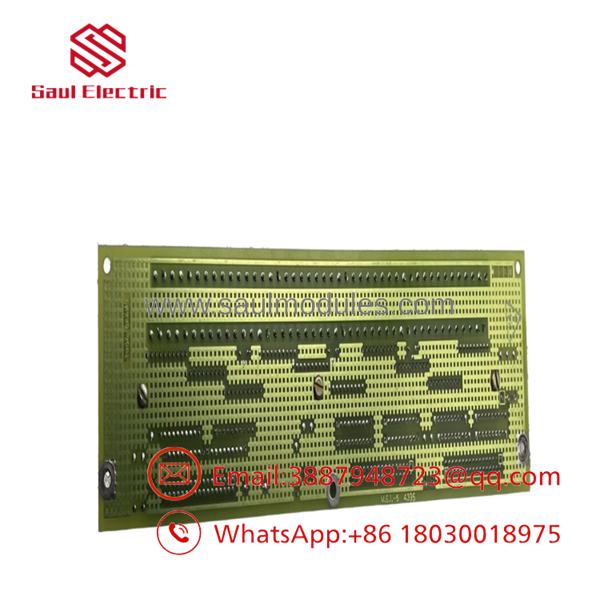
DS200TCQAG1ABB
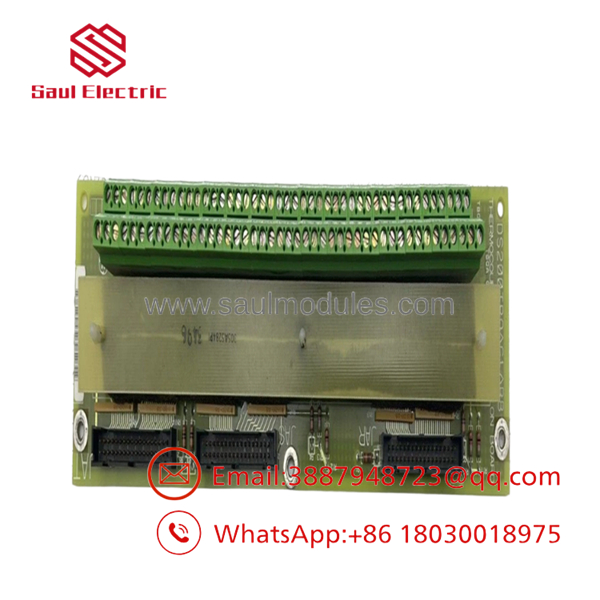
DS200TCQAG1ABB
Transparency SOP: Quality Assurance & Testing
We don’t just ship boxes; we test them on actual GE Mark V racks.
- Inbound Visual Inspection: High-magnification check for board trace integrity, socket pin tension, clean edge fingers, and absence of thermal discoloration.
- EPROM Socket Audit: Inspection of the DIP sockets to ensure pin clips are clean, un-corroded, and ready for software chip installation.
- Power Rail Bench Test: Energizing the board on a test stand to verify onboard power distribution across all low-voltage IC rails.
- Flame & Analog Channel Verification: Injecting calibrated mV and flame-detector simulator signals to verify linear A/D conversion across input ports.
- Anti-Static Packaging: Sealed in anti-static ESD shielding bags with fresh desiccant prior to protective foam boxing.
The Veteran’s Tech Trap Guide (Crucial Value-Add)
- ⚠️ TRANSFER YOUR EEPROM CHIPS: To be honest, this is the most common pitfall. The replacement card does not carry your site-specific parameters out of the box. Carefully transfer the socketed EEPROM chips from your old board to the new one, making sure pin 1 orientation matches the socket notch.
- ❗ Double-Check Jumper Pins (J1 – J10): TCQA boards use physical shorting jumpers to configure flame sensor types and analog input scaling. Take a sharp photo of the jumper array on the original board before removal and set the replacement board identically.
- ⚠️ Mind the 3PL Connector Alignment: The 3PL cable links the TCQA card directly to the core processor bus. Never force the ribbon plug—bent pins on this header will cause total communication losses across the extended I/O rack.
- ❗ ESD Destruction Warning: High-sensitivity flame detector conditioning circuitry is vulnerable to static charges. Always wear a grounded ESD wrist strap when handling the card or transferring socketed chips.
Frequently Asked Questions (FAQ for Conversion)
Q: What is the main difference between a TCQA card and a TCCA card?
A: The TCCA is a primary analog card handling core turbine I/O, while the TCQA is an extended analog card designed to handle auxiliary signals like flame detectors, shaft grounding monitoring, and additional 4–20 mA loops.
Q: Is the DS200TCQAG1ABB card hot-swappable?
A: No. Pulling this board while the Mark V rack is energized will disrupt bus communication on the 3PL cable, potentially tripping adjacent processor cards or the entire unit. Power down the rack segment first.
Q: What does the “G1ABB” suffix mean?
A: G1 represents the Group 1 baseline hardware platform, while ABB denotes incremental hardware revisions for trace optimization, component availability updates, and improved noise rejection.
Q: Do I need to re-calibrate my flame detectors after installing this board?
A: If you transfer your original socketed EEPROMs and match the hardware jumper settings, recalibration is usually unnecessary. However, checking raw mV signal values in the Mark V diagnostic screens after startup is always recommended.
Q: What warranty comes with this replacement board?
A: Every unit comes with a full 12-month replacement warranty from the delivery date, covering all hardware functions, channel accuracy, and component reliability.

 Start Chat


