





Description
Product Introduction
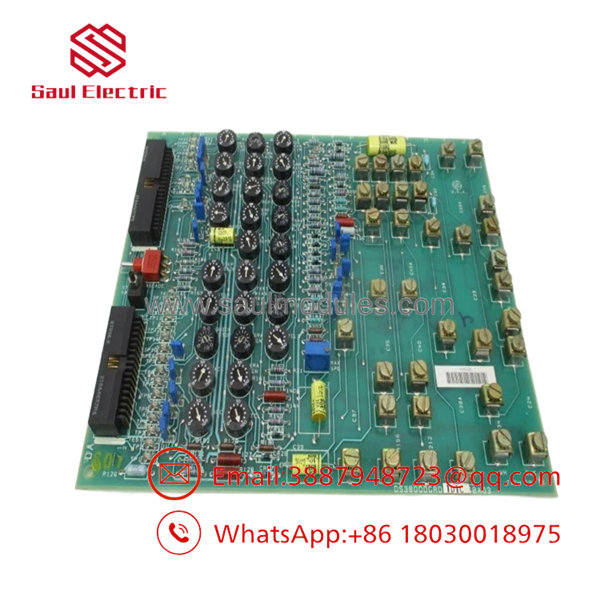
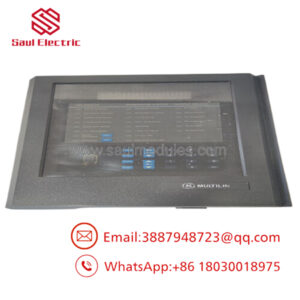
The GE DS3800DGRD1D1C is a generator regulator auxiliary daughterboard developed for GE Speedtronic Mark IV gas and steam turbine control architectures. Operating as a specialized signal tuning layer, it fine-tunes generator voltage feedback, excitation current loops, and cross-current compensation signals before feeding them into main controller cards. Its primary mission is maintaining generator grid stability during rapid load transitions.
Plant operators rely on the DGRD card because it offloads precise hardware-level signal trimming from main processing racks. Featuring an array of onboard potentiometers and jumper blocks, the board enables micro-adjustments directly on the hardware layer. That hardware design avoids software-based calibration delays, making it indispensable for legacy Mark IV excitation and regulation circuits.
Key Technical Specifications
| Parameter | Specification / Value |
| Part Number | DS3800DGRD1D1C |
| System Compatibility | GE Speedtronic Mark IV Control Systems |
| Board Type | Generator Regulator Auxiliary Daughterboard |
| Functional Acronym | DGRD (D-prefix designates auxiliary daughterboard status) |
| Potentiometers | 28 onboard trimming potentiometers for signal calibration |
| Configuration Jumpers | 28 hardware jumper blocks |
| Special Controls | Onboard multi-position Cascade Switch |
| Interconnects | 2 edge card connectors / multi-pin ribbon headers |
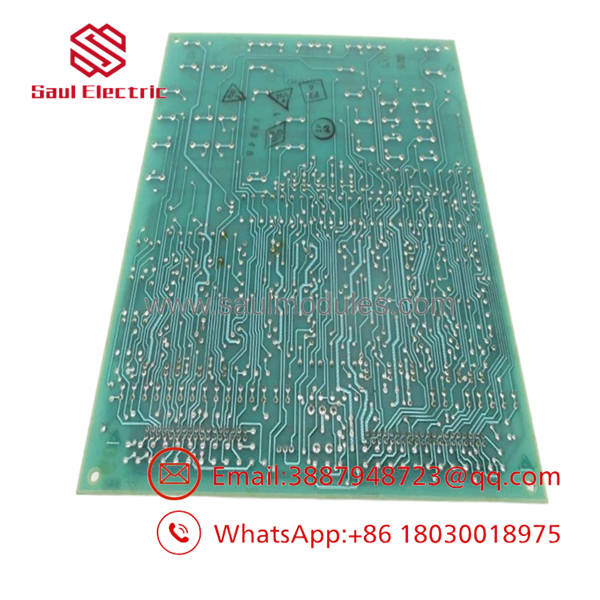
| Mounting | 4 corner mounting holes (standoff style on main motherboard) |
| Revision Level | Version 1D1C (1D1C artwork and component layout) |
Application Scenarios & The “Trench” Experience
It’s 3:10 AM during peak summer cooling demand, and a 1980s-era peaking gas turbine trips on a “Generator Field Over-Excitation” fault. The DCS historian shows wild voltage swings right before the breaker opened. The culprit isn’t the exciter power bridge—it’s a drifted trimming potentiometer on a 30-year-old regulator auxiliary card that lost its calibration due to cabinet vibration. Every hour that unit sits idle costs the municipal utility tens of thousands in spot-market power purchases. Swapping in a pre-calibrated, clean DS3800DGRD1D1C board is the only way to stabilize the field excitation loop and bring the unit back online before morning demand hits.
- Simple-Cycle Power Plants – GE Frame 5/7 Gas Turbines – Trimming generator excitation feedback loops and reactive power sharing.
- Co-generation Facilities – Industrial Steam Turbines – Auxiliary signal conditioning for static excitation voltage regulators.
- Municipal Utilities – Legacy Mark IV Installations – Providing hardware-level regulation adjustments where digital upgrades haven’t been retrofitted.
Field Case Study
A paper mill’s captive power house experienced severe reactive current hunting between two parallel turbogenerators. Diagnostics traced the issue to an unstable feedback channel on the original DGRD board in Generator 2’s regulator cabinet. We dispatched a verified DS3800DGRD1D1C replacement board within 10 hours. The lead instrument technician mirrored the old board’s 28 jumper settings, carefully aligned the potentiometers, and restored perfect cross-current compensation across both generators—averting a plant-wide steam header dump.
Transparency SOP: Quality Assurance & Testing
We don’t just ship boxes; we test them on actual GE Mark IV test rigs. Here is our exact internal verification workflow before any DS3800DGRD1D1C leaves our bench:
- Inbound Visual & Physical Check: Inspect all 28 potentiometers for cracked wipers or physical damage, verify edge connectors for trace wear, and confirm intact OEM markings.
- Jumper & Switch Audit: Test all 28 jumper block pins and the cascade switch for continuity and low contact resistance.
- Power-On Voltage Rail Check: Mount the daughterboard to a live Mark IV base rack to confirm internal power distribution across operational amplifiers.
- Signal Conditioning Sweep: Inject calibrated AC/DC reference signals into input channels and sweep potentiometers to verify smooth, linear output adjustment without wiper noise or signal dropouts.
- Revision Level Verification: Document board revision details (
1D1C) on the calibration certificate. - Anti-Static Packaging: Enclose inside static-shielding bags with fresh desiccant packs before custom foam boxing.
DS3800DGRD1D1C
DS3800DGRD1D1C
The Veteran’s Tech Trap Guide (Crucial Value-Add)
⚠️ 1. Document All 28 Pots and Jumpers BEFORE Removal!
The DS3800DGRD1D1C requires more setup time than almost any other Mark IV card because of its sheer number of configurable components. It features 28 potentiometers and 28 jumper blocks. Never drop a new surplus board straight out of the box into your rack! You MUST measure potentiometer resistance values or count turns, and match every jumper block position to your original board’s exact layout. If you skip this, your excitation loop will not regulate correctly.
❗ 2. Watch the Onboard Cascade Switch
Pay close attention to the onboard cascade switch setting. This switch determines how regulation signals pass to secondary control stages. If this switch is toggled incorrectly during installation, your regulator will fail to handshake with the main controller, causing immediate fault lockouts upon startup.
⚠️ 3. Inspect Standoff Pins and Edge Plugs
As an auxiliary daughterboard, the DGRD card mounts onto a main motherboard via standoff pins and multi-pin connectors. When pressing the replacement board onto its base, apply even pressure across all four corners. Forcing the board at an angle can bend or shear motherboard header pins, turning a 20-minute board swap into a full-rack teardown.
Frequently Asked Questions (FAQ for Conversion)
Q: What does the “D” prefix in DS3800DGRD mean?
A: In GE Mark IV part numbering, functional acronyms beginning with a “D” (like DGRD) designate auxiliary daughterboards that mount onto larger main boards rather than plugging directly into standard rack backplane slots.
A: No. Pulling an auxiliary regulator board while the turbine or exciter cabinet is energized will drop generator field control instantly, risking severe over-voltage or under-excitation trips and potential arc faults in the generator breaker. Always follow full LOTO procedures.
Q: Why does setting up this board take longer than other Mark IV cards?
A: Because it relies on hardware-level tuning via 28 trim potentiometers and 28 jumper blocks rather than software configuration files. Every channel must be physically aligned to match your plant’s specific generator excitation profile.
Q: Is this board new or refurbished, and what warranty is included?
A: We supply this unit as New Surplus stock (unused factory original surplus). Every unit includes our standard 12-month full replacement warranty.
Q: How can your prices beat traditional OEM factory quotes?
A: We procure surplus inventory directly from plant liquidations, cancelled upgrade projects, and global industrial surplus holdings. You get genuine, fully tested GE hardware without multi-month lead times or full OEM retail markups.


 Start Chat


