





Description
Product Introduction & Engineering Value
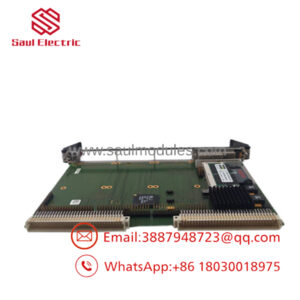
The GE DS3800HFPB1F1E belongs to GE’s older DS3800 circuit-board family. For maintenance teams supporting legacy GE equipment, boards from this generation are often retained because the installed control architecture may still depend on the original hardware.
The key engineering issue is identification. With DS3800 boards, similar-looking assemblies can have very different functions. The complete DS3800HFPB1F1E number, board markings, revision/configuration, connector arrangement, and host-system documentation should be checked before approving a replacement.
Technical Specifications
Manufacturer: General Electric (GE)
Product Family: DS3800
Board Designation: HFPB
Part Number: DS3800HFPB1F1E
Board Type: Industrial printed circuit / interface board
Configuration Code: B1F1E
Primary Function: Legacy control/interface circuitry for compatible GE equipment
Typical System: DS3800-generation GE industrial control hardware
Installation: Equipment control cabinet or board rack, depending on host configuration
Lifecycle: Legacy / obsolete-generation hardware
Replacement Method: Exact part-number verification recommended
Documentation Requirement: Use equipment-specific drawings for electrical and terminal information
Technical caution: Public documentation for the exact DS3800HFPB1F1E configuration is limited. Specific voltage ratings, connector pinouts, I/O assignments, processor/component details, and environmental specifications should not be guessed from the model number. Confirm those values against the original GE documentation or the installed system drawings.
Field Application & the “Trench” Experience
A maintenance group supporting an older production machine gets an intermittent control fault during a planned shutdown. The board rack contains several DS3800 assemblies, and the failed unit is marked DS3800HFPB1F1E.
The replacement process starts with a simple rule: do not pull a board until its configuration has been documented.
The technician photographs the board, records its rack position and all visible markings, then compares the spare against the failed assembly. After installation, the team checks the affected control functions before returning the machine to production.
That approach is particularly useful with DS3800 hardware. Decades-old installations frequently contain site modifications that are not obvious from a generic catalog description.
Specific application scenarios
- Legacy machine-control cabinets: Maintaining -based electronic assemblies where complete system migration is not yet practical.
- Industrial process control: Supporting older GE control equipment during planned maintenance outages.
- CNC and dedicated machine systems: Holding an identified HFPB board as a contingency spare for aging control electronics.
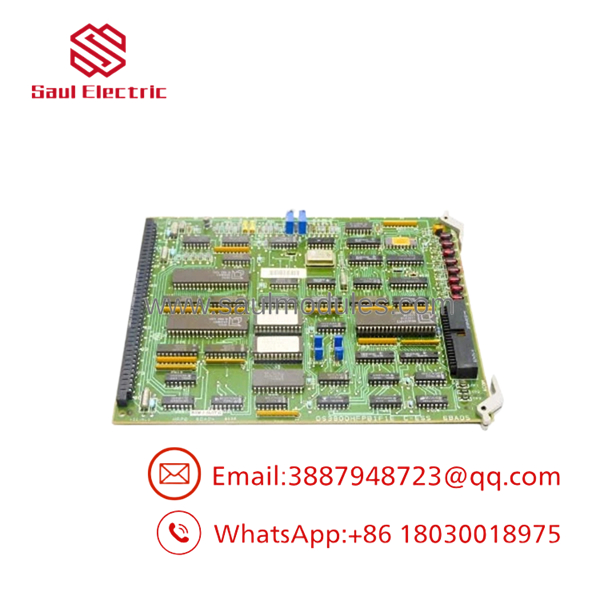
DS3800HFPB1F1E
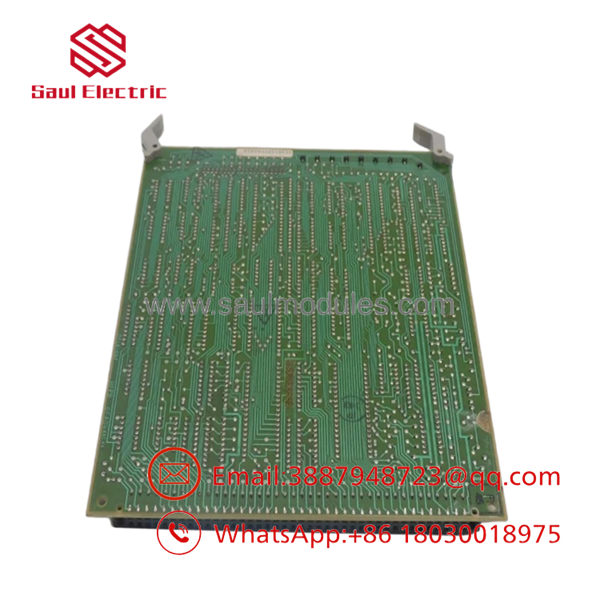
DS3800HFPB1F1E
Transparency SOP: QA & Testing
For New Surplus stock, I would expect the following checks before shipment:
- Part identification — Verify the complete DS3800HFPB1F1E marking.
- Visual inspection — Examine the PCB, connectors, components, solder joints, and edge contacts.
- Configuration review — Record visible jumpers, switches, daughterboards, and other hardware options.
- Condition assessment — Check for corrosion, contamination, physical damage, or evidence of previous installation.
- Functional testing — When a compatible test fixture or host system is available, test the board against documented operating requirements.
- ESD protection — Use anti-static packaging suitable for sensitive industrial electronics.
For refurbished units, ask what was actually repaired or replaced and what functional tests were performed. A visual inspection should not be presented as a full functional test.
The Veteran’s Tech Trap Guide
⚠️ Trap #1 — Assuming the prefix is enough
It isn’t. identifies a hardware family, not a universal replacement. Match in full.
⚠️ Trap #2 — Trusting physical similarity
Two legacy GE boards can have similar dimensions and connector layouts while performing different jobs. Verify the board designation and configuration before installation.
PRO TIP: Photograph both sides of the original board if accessible. Capture every label, jumper, switch, connector, and daughterboard.
⚠️ Trap #3 — Treating a successful startup as proof
After installing a replacement, verify the actual machine function associated with the board. A cabinet that powers up normally can still contain an incorrect board configuration or field-interface problem.
Dynamic FAQ
What is the GE ?
The is a legacy GE -series HFPB circuit board used in compatible industrial control equipment.
What does HFPB stand for?
HFPB is the board designation used within the family. The exact functional role of the HFPB1F1E configuration should be confirmed from the host equipment documentation rather than inferred solely from the abbreviation.
Can another board replace ?
Not automatically. Verify the complete part number, configuration, revision markings, connector arrangement, and system function before approving a substitute.
What information should I provide when sourcing this board?
Provide the full part number, clear photographs of the original board, all visible revision/configuration markings, the host equipment model, and the board’s rack position if known.
How do I verify New Surplus condition?
Request photographs of the actual board and confirm that it is unused rather than previously installed or refurbished. For critical applications, request the supplier’s inspection and functional-test documentation.
What warranty should a replacement include?
Warranty terms vary by supplier and stock condition. Before ordering, confirm the warranty period, test coverage, DOA provisions, return conditions, and whether the supplier can support troubleshooting if the board fails during commissioning.

 Start Chat


