





Description
Product Introduction
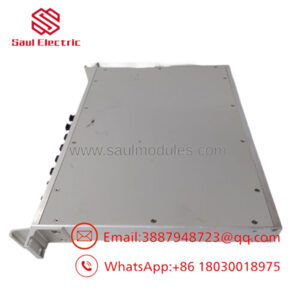
The GE DS3800HPRB1C1C is a specialized pulse rate input board designed for GE Speedtronic Mark IV gas and steam turbine control systems. It acts as an essential signal conversion bridge between field-mounted magnetic pickups or gear-tooth speed sensors and the core control processing rack. By evaluating incoming frequency pulses from rotating shaft hardware, the card provides high-precision speed values directly to fuel governing and overspeed protection routines.
Turbine engineers rely on the HPRB module because it executes raw signal conditioning on the hardware layer. Standard analog input cards suffer from conversion latency, but the DS3800HPRB1C1C processes high-frequency pulse trains directly using dedicated onboard IC arrays and RC filtering networks. This hardware processing prevents signal aliasing and guarantees that speed control loops react instantaneously during rapid load-rejection events.
Key Technical Specifications
| Parameter | Specification / Value |
| Part Number | DS3800HPRB1C1C |
| System Compatibility | GE Speedtronic Mark IV Control Racks |
| Board Type | Pulse Rate Input Board (HPRB) |
| Input Channels | Multi-channel pulse frequency inputs (magnetic/active pickups) |
| Signal Processing | Hardware-level frequency-to-digital pulse counting |
| Configuration Controls | Onboard DIP switch banks & hardware jumper pins |
| Interconnects | Main card-edge motherboard connector & test points |
| Card Handling | Dual white nylon card ejector clips on leading edge |
| Revision Level | Artwork 1C, Assembly 1C (1C1C) |
| Operating Temperature | 0°C to +60°C (32°F to +140°F) |
Application Scenarios & The “Trench” Experience
It’s 2:00 AM on a freezing winter night, and a baseline steam turbine at an industrial chemical site trips on an unexpected “Speed Signal Loss” fault. The plant lost its primary speed feedback channel, locking out the governor and halting steam production to critical process reactors. The magnetic pickup on the rotor shaft is firing cleanly, but an aging pulse input card’s onboard comparator circuit drifted due to thermal breakdown, dropping the incoming pulse count to zero. Every hour the turbine sits cold costs the site tens of thousands in stalled chemical production. Swapping in a clean, bench-verified DS3800HPRB1C1C card, setting its gain jumpers correctly, and sliding it into the rack is the fastest path to restoring governor feedback and firing up the turbine.
- Power Generation Facilities – Utility Steam & Gas Turbines – High-speed processing of rotor RPM feedback for speed governing and synchronization.
- Chemical Refineries – Mechanical Drive Turbines – Monitoring continuous shaft speed on critical boiler feed pumps and synthesis gas compressors.
- Industrial Plants – Islanded Co-generation Systems – Fast-response frequency tracking to manage sudden electrical load shed scenarios.
Field Case Study
A 50 MW co-generation plant experienced random, millisecond-wide speed spikes in its Mark IV control logs, causing valve hunting on the fuel rack. Troubleshooting revealed degraded filter capacitors on Channel 1 of their original pulse input card. We overnighted a fully tested DS3800HPRB1C1C replacement board. The lead instrument technician matched the jumper pins to the old board, slid the module into place using the nylon ejector clips, and completely eliminated the speed jitter—saving an estimated $70,000 in avoided trip penalties during a high-demand tariff period.
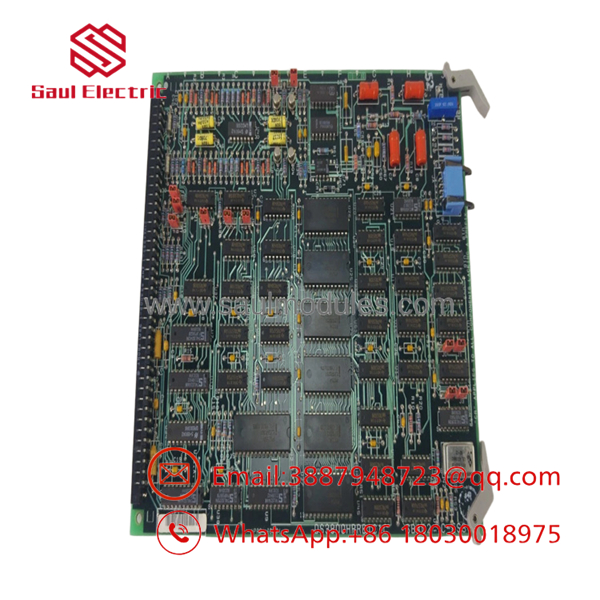
DS3800HPRB1C1C
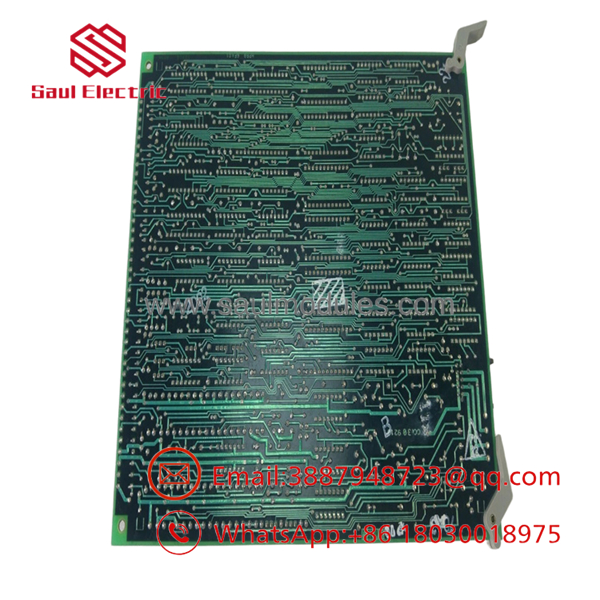
DS3800HPRB1C1C
Transparency SOP: Quality Assurance & Testing
We don’t just ship boxes; we test them on actual GE Mark IV rack setups. Here is our exact internal verification workflow before any DS3800HPRB1C1C leaves our floor:
- Inbound Visual Inspection: Check gold card-edge contacts for wear or oxidation, inspect trace runs for thermal stress discoloration, and verify that all IC chips sit properly in their traces.
- Cold Component Audit: Test onboard resistor networks, filter capacitors, and clamping diodes to ensure no short circuits or out-of-spec component drift exist.
- Power-On & Backplane POST: Mount the board into a live GE Mark IV test chassis to verify internal power rail distribution (+5V, ±15V DC) and logic bus execution.
- Pulse Frequency Calibration Sweep: Inject variable high-frequency pulse waveforms (10 Hz to 20 kHz) from a calibrated signal generator across all input channels. Verify frequency calculation accuracy and threshold switching behavior under simulated rotor acceleration.
- Revision Verification: Document exact revision codes (
1C1C) on the final QA release certificate. - ESD Packaging: Seal inside anti-static shielding bags with fresh desiccant packs before placing in custom foam shipping containers.
The Veteran’s Tech Trap Guide (Crucial Value-Add)
⚠️ 1. Duplicate Hardware Jumper and Switch Settings Before Power-Up!
The uses onboard jumper pins and DIP switches to select signal threshold sensitivity and pickup type (e.g., passive magnetic vs. active proximity probes). Installing a replacement board with factory-default settings into a live rack can cause the board to ignore incoming pulse trains or saturate the input amplifier. Take a high-resolution photo of your original card’s jumper positions before pulling it!
❗ 2. Watch Out for Static Sensitivity During Handling
The integrated logic arrays on legacy Mark IV boards have zero tolerance for static discharge. Never handle this board without a grounded ESD wrist strap clipped to the cabinet frame. Touch unpainted rack metal before removing the card from its anti-static bag.
⚠️ 3. Use Both Ejector Clips Simultaneously
The board relies on a high-density card-edge connector at the rear. When installing or removing the card, engage or release both white nylon ejector clips at the same time with uniform force. Pulling unevenly on one side can bend edge connector pins in the rack backplane or crack the PCB substrate.
Frequently Asked Questions (FAQ for Conversion)
A: No. Removing this card while the Mark IV rack is energized severs active speed feedback lines to the main controller, causing an immediate emergency trip of the turbine or triggering a severe system fault lockout. Always follow full LOTO procedures before swapping this card.
Q: What does the “1C1C” suffix mean?
A: In GE Mark IV part numbers, 1C1C denotes the exact engineering revision level. The first 1C indicates the group artwork and trace layout, while the second 1C refers to the specific component bill of materials (BOM) revision.
Q: Can this board accept input from passive magnetic pickups and active proximity probes?
A: Yes. The board supports different pulse sensor types, but signal threshold levels and input attenuation must be configured using the onboard hardware jumpers and DIP switch banks prior to installation.
Q: Is this unit new or refurbished, and what warranty covers it?
A: We supply this module as New Surplus stock (unused factory original surplus). Every unit includes our full 12-month operational replacement warranty.
Q: Why buy surplus rather than ordering directly through GE OEM networks?
A: GE Mark IV series components have been discontinued by the manufacturer for years. Sourcing New Surplus from our stock avoids multi-month factory lead times, eliminates exorbitant rush fees, and provides an immediate drop-in replacement for running power plants.

 Start Chat


