





Description
Product Introduction
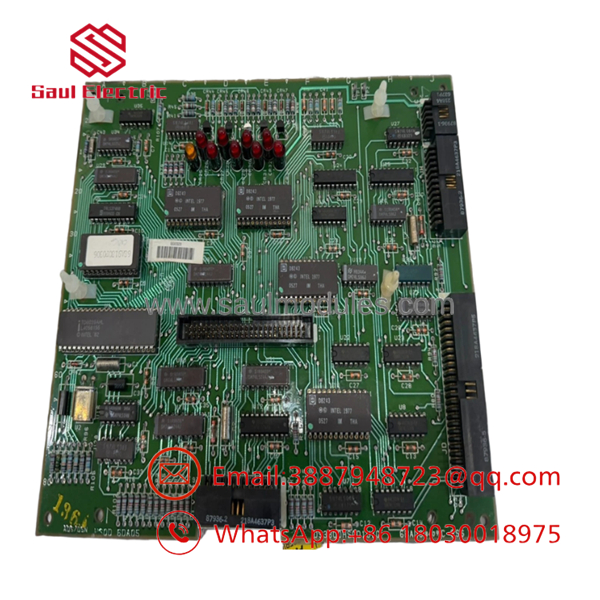
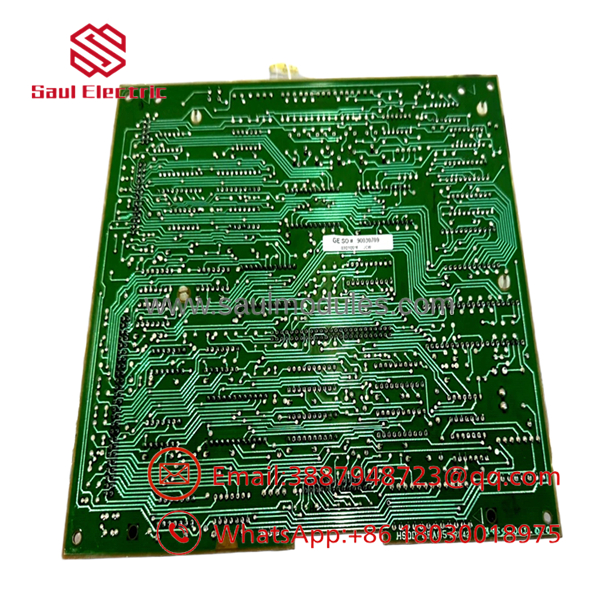
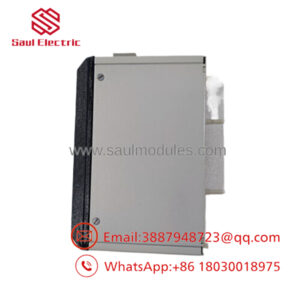
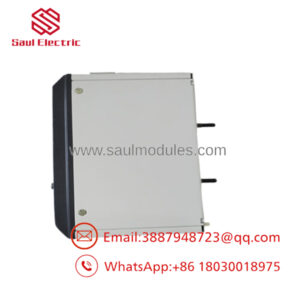
The GE DS3800HSQD1J1G is a high-speed sequencer board developed for GE Speedtronic Mark IV gas and steam turbine control panels. Installed directly within the primary control rack, it processes discrete sequencing logic, start/stop permissive chains, and high-priority interlock timing at execution speeds far exceeding standard process controllers.
Turbine engineers rely on the HSQD module because high-speed digital state changes—such as flame detector permissive signals, generator breaker synchronization feedback, and emergency trip inputs—demand real-time processing. By handling discrete sequencing subroutines on dedicated board hardware, the HSQD offloads intensive event monitoring from the main CPU, ensuring deterministic protection and control.
Key Technical Specifications
| Parameter | Specification / Value |
| Part Number | DS3800HSQD1J1G |
| System Compatibility | GE Speedtronic Mark IV Control Systems |
| Board Type | High-Speed Sequence Board (HSQD) |
| Logic & Firmware | Dedicated onboard micro-sequencer architecture with socketed EPROMs |
| Status Display | Bank of onboard diagnostic LEDs for real-time channel state monitoring |
| Interconnects | Gold-plated edge card motherboard connector & ribbon cable headers |
| Configuration Controls | Onboard hardware jumper pins for hardware memory/address mapping |
| Board Handling | Dual nylon card ejector handles on leading edge |
| Revision Level | Artwork 1J, Assembly 1G (1J1G) |
| Operating Temperature | 0°C to +60°C (32°F to +140°F) |
Application Scenarios & The “Trench” Experience
It’s 3:10 AM, and an industrial co-gen plant experiences a sudden grid disturbance. The 120 MW gas turbine attempts an automated fuel transfer to maintain islanded operation, but the main Mark IV panel trips out on an unexpected “Sequence Timeout / Permissive Fault.” The physical valves and feedback switches check out, but a logic timing circuit on an aging HSQD card degraded under thermal stress, failing to register a 10-millisecond contact closure window. Every minute the unit remains down costs thousands in lost power and process steam. Swapping in a clean, bench-tested DS3800HSQD1J1G card, transferring site-specific firmware ICs, and setting matching jumper configurations clears the timing fault immediately, allowing a clean restart.
- Base-Load Gas Turbines – GE Frame 6/7/9 Heavy Duty Units – Managing high-speed start/stop sequencing, fuel purge timing, and trip permissive chains.
- Combined-Cycle Power Stations – Steam Turbine Controllers – Executing fast-response turbine valve trip sequences and synchronization logic.
- Refinery Mechanical Drives – Compressor Train Units – Real-time processing of high-priority emergency shutdown (ESD) discrete loops.
Field Case Study
A chemical plant’s mechanical drive turbine suffered intermittent, unexplained trip lockouts during startup sequences. Troubleshooting revealed that Channel 3 on the original HSQD sequencer board was dropping discrete inputs due to an aging logic buffer chip. We shipped a fully tested DS3800HSQD1J1G replacement overnight. The shift technician moved the socketed EPROMs, matched all jumper positions, and re-inserted the module—bringing the compressor back online and preventing an estimated $110,000 in continuous chemical process interruption.
Transparency SOP: Quality Assurance & Testing
We don’t just ship boxes; we test them on actual GE Mark IV test racks. Here is our exact internal verification workflow before any DS3800HSQD1J1G leaves our bench:
- Inbound Visual & Socket Audit: Inspect gold edge-connector contacts for wear or scratches, check IC sockets for bent pins, and inspect solder pads for thermal fatigue.
- Cold Power Rail Impedance Check: Verify resistance across power lines to ensure no dead shorts exist before applying active backplane power.
- Power-On Self-Test (POST): Mount the board into a live Mark IV chassis to confirm stable power distribution (+5V DC) and bus communication.
- Dynamic Sequence & I/O Loop Test: Exercise discrete input/output channels using a high-speed signal generator harness. Verify microsecond response times and check LED indicator switching accuracy.
- Revision Level Verification: Document the exact
1J1Gartwork/assembly revision code on the QA certificate. - ESD Packaging: Enclose in static-shielding bags with fresh desiccant prior to packing in custom foam shipping containers.
DS3800HSQD1J1G
DS3800HSQD1J1G
The Veteran’s Tech Trap Guide (Crucial Value-Add)
⚠️ 1. YOU MUST TRANSFER YOUR SITE-SPECIFIC FIRMWARE EPROMS!
The DS3800HSQD1J1G features DIP sockets designed for system firmware ICs. A replacement board does NOT contain your site’s specific sequencing code. You MUST carefully extract the socketed EPROMs from your original board and transfer them to the replacement card using a proper IC puller tool. Make sure Pin 1 (the chip notch) aligns correctly with the socket notch! Reversing an IC will instantly ruin the chip upon powering up.
❗ 2. Duplicate All Hardware Jumper Configurations Exactly
The HSQD board utilizes jumper pin arrays to define memory addressing, timing clock rates, and bus priority routines. Plugging in a replacement card with factory-default jumper settings can create bus contention with adjacent CPU cards. Take a high-resolution photo of your original board’s jumper positions before removal!
⚠️ 3. Never Pull or Insert Board Under Power
Removing or inserting an HSQD sequencer board into an energized rack can create bus voltage spikes, corrupt active controller logic, and trip the turbine safety loop. Always execute full LOTO procedures on rack logic power before replacing this module.
Frequently Asked Questions (FAQ for Conversion)
A: No. Removing a high-speed sequence board while the Mark IV chassis is energized interrupts active turbine safety logic and will cause an immediate system fault trip. Always de-energize the rack before pulling or plugging the board.
Q: What does the “1J1G” suffix signify?
A: In GE Speedtronic part numbers, 1J1G designates the exact engineering revision level. The 1J denotes the printed circuit board artwork revision, while 1G indicates the specific installed bill-of-materials (BOM) revision.
Q: What diagnostic step should I take if an onboard LED remains unlit during a sequence step?
A: Verify whether the field input contact actually closed using a multimeter at the terminal block. If field voltage is present at the input connector but the corresponding board LED is off, the onboard optocoupler or input logic buffer on that channel has failed.
Q: Is this unit new or refurbished, and what warranty is included?
A: We supply this module as New Surplus stock (unused factory original surplus). Every unit includes our full 12-month operational replacement warranty.
Q: Why buy surplus instead of ordering directly through GE OEM channels?
A: Legacy Mark IV series components have been discontinued by GE for years. Sourcing New Surplus from our stock avoids multi-month factory lead times, eliminates exorbitant rush fees, and provides an immediate drop-in replacement for operating power plants.

 Start Chat


