





Description
Product Introduction
The GE DS3800NMEA1L1J acts as a specialized Memory/Logic Expansion Board (NMEA) within the legacy GE Speedtronic Mark IV turbine control system. Mounted directly into the central card rack, it houses executive software code, site operational constants, and system memory addresses used by core processors during turbine operation.
By offloading static memory storage and parameter lookup tables from primary execution processors, the NMEA1L1J board helps preserve deterministic loop speeds for fast overspeed protection and fuel valve control loops. Its rugged fiberglass substrate and gold-plated edge contacts are built to withstand the continuous vibration and ambient heat typical of power plant control rooms.
Key Technical Specifications
| Parameter | Specification |
| Manufacturer | General Electric (GE) |
| Part Number | DS3800NMEA1L1J |
| System Compatibility | Speedtronic Mark IV Control Systems |
| Board Acronym | NMEA (Memory / Logic Expansion Board) |
| Revision Code | 1L1J |
| Memory Architecture | Socketed EPROM/RAM array |
| Backplane Interfacing | Dual gold-plated card edge fingers |
| Configuration | Hardware shorting jumpers & DIP switch blocks |
| Operating Temperature | -30°C to +65°C (-22°F to +149°F) |
Application Scenarios & The “Trench” Experience
A peak-load gas turbine fails to complete its automated startup sequence, hanging during the fuel transition phase with a parity error alarm on the Mark IV controller rack. Diagnostics point to a corrupted memory location on the aging NMEA board. With the power grid needing immediate capacity, a technician swaps in a fully bench-tested DS3800NMEA1L1J board, transfers the socketed parameter EPROMs from the original board, and resets the rack. The system boots cleanly and completes its start sequence without issue.
- Gas Turbine Control – Operating Constant Storage – Stores turbine-specific firing curves, exhaust temperature limits, and startup ramps.
- Steam Turbine Systems – Governor Control Parameters – Retains valve position mapping and load-frequency control constants.
- Industrial Cogeneration – System Logic Memory – Holds execution routines for auxiliary steam bypass and utility tie interlocks.
Transparency SOP: Quality Assurance & Testing
We don’t just ship boxes; we test them on actual GE Mark IV test racks.
- Inbound Visual Inspection: Detailed check under high magnification for trace oxidation, cracked solder joints, cold solder bridges, and pristine IC sockets.
- Gold Finger Restoration: Micro-cleansing and inspection of all card-edge contacts to ensure low-resistance connectivity across the backplane.
- Power Rail Bench Check: Applying clean regulated DC supply lines on a test bench to verify onboard power distribution and clock signals.
- Memory Bus Read/Write Verification: Inserting the board into an energized Mark IV test chassis to perform memory address sweeps and logic bus handshakes.
- Anti-Static Packaging: Sealed in anti-static ESD shielding bags with fresh desiccant packages before protective foam boxing.
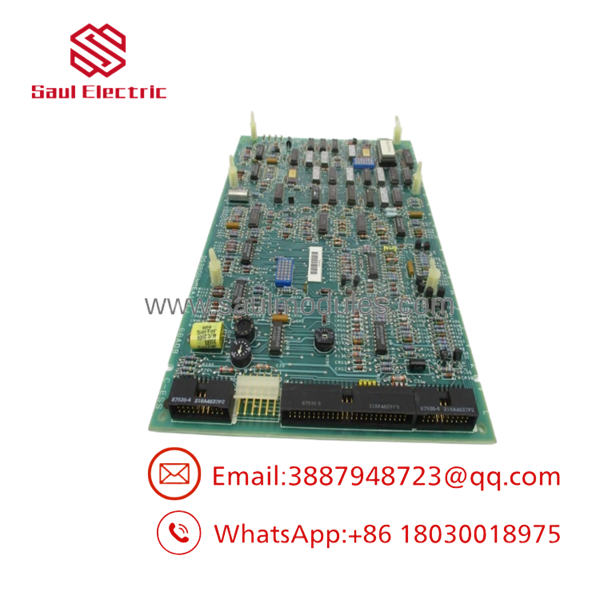
DS3800NMEA1L1J
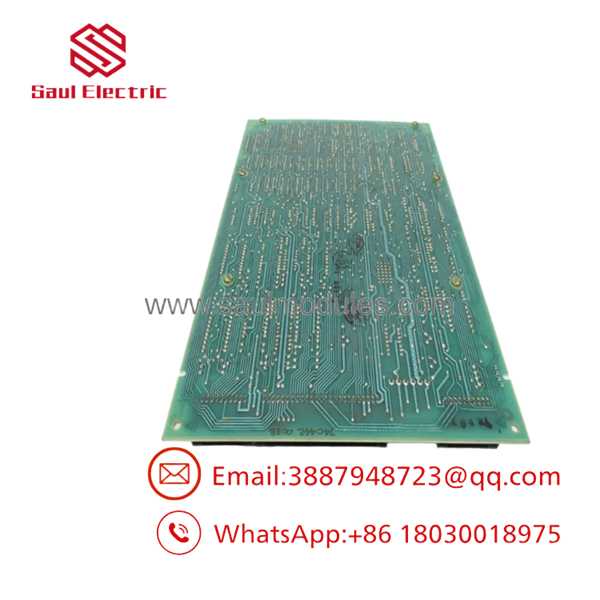
DS3800NMEA1L1J
The Veteran’s Tech Trap Guide (Crucial Value-Add)
- ⚠️ YOU MUST TRANSFER YOUR SOCKETED PROMs: The replacement NMEA board will not run your turbine out of the box. You must carefully extract the socketed memory chips (EPROMs) from your original board and insert them into the matching sockets on the replacement card. Ensure pin 1 notches face the correct direction!
- ❗ Never Pull or Insert Under Power: Pulling a memory card while the backplane bus is energized will corrupt system memory, trigger processor fault locks, and potentially arc edge connectors. Always de-energize the rack segment first.
- ⚠️ Mirror Onboard Jumpers Exactly: To be honest, misaligned address jumpers are a top cause of post-replacement rack faults. Take a sharp photo of all jumper shorting blocks on your failed card and set the replacement board pin-for-pin.
- ❗ Use Proper IC Extraction Tools: When removing socketed memory chips, use an IC puller. Levering chips out with a flathead screwdriver easily bends legs or cracks delicate socket housings.
Frequently Asked Questions (FAQ for Conversion)
Q: What is the main purpose of the DS3800NMEA1L1J board?
A: It provides memory storage and logic address expansion for Mark IV processor racks, holding system constants, firmware routines, and lookup tables.
Q: Does installing a new DS3800NMEA1L1J require software flashing via a laptop?
A: No. Operating parameters and logic tables reside on the physical socketed EPROM chips. Swapping your original chips over to the replacement board transfers all site-specific software and constants automatically.
Q: Can I use a 1L1J revision in place of an earlier revision like 1A1A?
A: Generally, yes. The 1L1J revision represents a later hardware artwork and component baseline, which maintains backward compatibility for Mark IV NMEA applications. Always verify jumper configurations against your cabinet drawings.
Q: Why source surplus Mark IV boards instead of upgrading the entire system?
A: Full control system upgrades require extensive engineering design, cabinet rewiring, and weeks of scheduled downtime. Swapping a single memory card takes under an hour and costs a fraction of a full migration project.
Q: What warranty comes with this replacement board?
A: Every unit is backed by a full 12-month replacement warranty from the date of shipment, covering memory bus stability, hardware integrity, and component performance.

 Start Chat


