





Description
Product Introduction & Engineering Value
If you have maintained legacy process controls for more than two decades, you know that keeping legacy PC-based SCADA systems connected to Genius networks is a constant head-scratcher. The GE Fanuc IC660ELB921J PCIM board bridges host x86 ISA systems directly into the Genius serial architecture. It handles low-level token passing and device management off the host processor’s back, keeping bus updates steady even when host application cycles spike.
Instead of tearing out thousands of feet of field wiring to modernize a running line, dropping in a fresh IC660ELB921J card preserves your existing legacy field block infrastructure. The card uses onboard memory buffers to update up to 30 Genius bus devices without dragging down system execution speed. It provides a reliable interface for human-machine interfaces, specialized data acquisition systems, or custom diagnostic tools that still rely on ISA architecture.
Technical Specifications
- Form Factor: Single-slot ISA card (“AT” bus standard architecture)
- Logic Power Input: 5 VDC (\pm10%) at 400 mA maximum
- Supported Daughtercard: Holds one MicroGENI daughterboard (IC660ELB912)
- Network Baud Rates: 38.4 kbps, 76.8 kbps, 153.6 kbps standard, or 153.6 kbps extended
- Maximum Network Capacity: Up to 30 Genius I/O devices per bus channel
- Host Memory Usage: 4 bytes base I/O memory + 16 KB RAM allocation for the daughtercard
- Status Diagnostics: Faceplate LEDs for Daughterboard OK (GENI OK) and COMMS OK
- Operating Temperature: 0°C to 60°C (32°F to 140°F)
- Storage Temperature: -40°C to +70°C (-40°F to 158°F)
- Humidity Tolerance: 5% to 95% non-condensing
Field Application & The “Trench” Experience
The Hot-Strip Mill Pitfall
At a midwestern steel hot-strip rolling mill, an aging PC/AT running an early revision of CIMPLICITY lost communication with its Genius I/O drop on a Friday midnight shift. The main desk lost all analog temperature feedback from the roughing mill run-out tables. Replacing the entire controller platform would have required two weeks of unscheduled shutdown and hundreds of thousands in capital expenditure.
An technician traced the failure to a corrupted EEPROM and burned transceivers on the original 1990s PCIM card caused by a ground potential shift. The crew pulled an IC660ELB921J replacement from local spare inventory, matched the hardware DIP switches to base address 0x3E4, and fired up the TestGENI diagnostic utility. In under 45 minutes, communication locked back onto the 153.6K baud line, and the mill was rolling steel before the morning shift shift-change.
Primary Field Deployment Scenarios
- Blast Furnace Cooling Water Monitoring: Aggregating remote Genius discrete and RTD blocks into a central supervisory PC without adding PLC racks.
- Paper Machine Sectional Drive Diagnostics: Interfacing specialized PC-based tuning tools with Genius bus controllers across a noisy mill floor.
- Legacy Water Treatment Plant SCADA Links: Maintaining serial network communication between legacy IBM industrial PCs and remote valve control blocks.
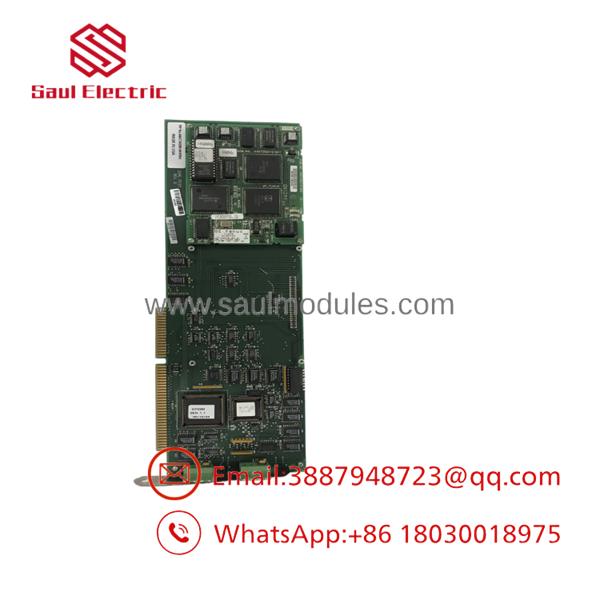
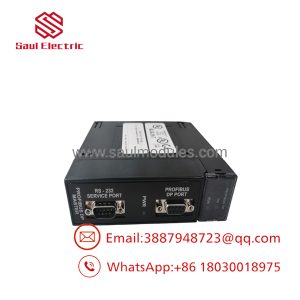
- IC660ELB921J
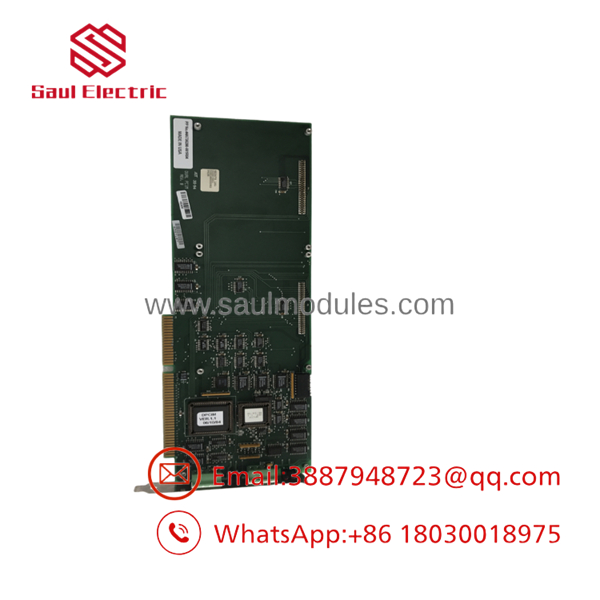
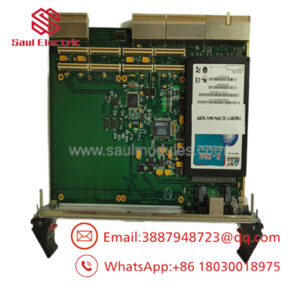
- IC660ELB921J
Transparency SOP: QA & Testing
[1. Visual Inspection] ──> [2. Power & Rail Test] ──> [3. TestGENI Flash/RAM Check] ──> [4. Genius Bus Stress Test]
- Visual & Structural Inspection: We inspect the ISA edge connector gold fingers for wear, check board traces for corrosion, and verify all capacitors are within ESR tolerances.
- 5V Rail & Thermal Verification: The module is bench-powered at 5.0 VDC (\pm2%) for a 4-hour burn-in to verify that power draw remains well below the 400 mA threshold under thermal load.
- EEPROM & Software Handshake: Board DIP switches are tested across address configurations. We execute the
TestGENIdiagnostic software under DOS/Windows NT environments to verify EEPROM readability and RAM integrity at port0x3E4. - Active Network Communication Loop: The unit is installed into a live test rig connected to multiple Genius blocks (e.g., IC660BBA104) at 153.6Kbps. Transmission errors, token holding, and transceiver output waveforms are checked on an oscilloscope.
The Veteran’s Tech Trap Guide (Crucial Value-Add)
⚠️ TRAP 1: Forgetting the 1/8-Inch Thermal Gap
The IC660ELB921J relies on passive convection inside the host industrial PC chassis. If you mount this card directly adjacent to a high-heat video board or ribbon cable bundle without maintaining at least 1/8 inch (3.2 mm) of clearance, heat buildup will shorten the life of the daughtercard power supply components.
⚠️ TRAP 2: Incorrect DIP Switch / Port Conflicts
Unlike modern Plug-and-Play PCI cards, the ELB921 uses a physical single DIP switch to set its base address. The factory default is port
3E4and memory addressD000. If your host PC has secondary legacy serial cards or sound hardware installed, address collisions will crashTestGENIsilently or prevent the driver from loading during boot. Always audit your host system’s I/O port map first.
PRO TIP: Shielding & Termination Resistors
Genius bus cables require 75-ohm or 150-ohm termination resistors at both extreme ends of the daisy chain, depending on cable type and baud rate. If you experience intermittent COMMS OK LED flickering after swapping the card, verify that your shield wire is grounded at one end only and that termination resistors weren’t omitted on the PCIM terminal plug.
Dynamic FAQ
Q: How does the differ from the dual-channel IC660ELB922 card?
A: The is a single-channel, single-slot PCIM that holds one MicroGENI daughterboard to manage one Genius bus (up to 30 devices). The ELB922 is designed to support two daughterboards, allowing dual independent Genius bus connections from a single host card slot.
Q: What operating system drivers are required to run this card?
A: The module communicates using low-level I/O port reads and shared RAM. It includes standard C/MS-DOS or BASIC software libraries and works seamlessly with legacy GE CIMPLICITY HMI software drivers.
Q: Does your stock include the IC660ELB912 daughtercard attached?
A: Yes. Our supply of refurbished and new-surplus units comes fully assembled with the required MicroGENI daughtercard mounted and factory-tested as a complete functional assembly.
Q: Can I set the Genius Serial Bus Address (SBA) through software?
A: Yes. The SBA (defaulted to SBA 31) and network transmission speeds are stored in 14 bytes of EEPROM on the card. You can modify these settings using the TestGENI utility program or directly through CIMPLICITY driver configuration menus.
Q: What is your warranty policy for surplus units?
A: Every unit sold comes backed by our comprehensive 12-month full-replacement warranty. Each card is sealed in anti-static ESD shielding after passing rigorous multi-point functional test protocols.

 Start Chat


