





Description
Product Introduction & Engineering Value
When a weighing system depends on external signal conditioners, every additional device becomes another potential point of failure. The GE HE693STG884 eliminates that extra layer by connecting bridged load cells directly to the PLC while performing analog filtering, A/D conversion, and weighing calculations on the module itself.
Designed for the Series 90-30 platform, the module delivers high-resolution measurement for industrial weighing, batching, force monitoring, and tension control applications. Individual channel configuration and excitation voltage compensation help maintain measurement stability even when field conditions change.
Technical Specifications
| Parameter | Specification |
|---|---|
| Manufacturer | GE Fanuc / Horner APG |
| Model | HE693STG884 |
| Product Family | Series 90-30 |
| Module Type | High-Resolution Strain Gauge Input Module |
| Number of Channels | 8 |
| Supported Sensors | Bridged strain gauges (load cells) |
| Input Ranges | ±25 mV, ±50 mV, ±100 mV |
| Resolution | 16-bit (0.8 µV, 1.6 µV, 3.2 µV depending on range) |
| Accuracy | ±0.03% |
| Input Impedance | >1000 MΩ |
| Excitation Monitoring | 10 VDC |
| Maximum Normal Input | 100 mV |
| Maximum Safe Input | ±35 VDC or AC |
| A/D Conversion | Integrating, approximately 35 channels/second |
| Operating Temperature | 0°C to 60°C (32°F to 140°F) |
Field Application & The “Trench” Experience
A cement plant experienced inconsistent batch weights despite replacing multiple load cells. Field measurements confirmed the sensors were functioning correctly, but noise introduced by an aging signal conditioner was causing unstable readings. Engineers replaced the conditioning hardware with a HE693STG884, wiring the load cells directly to the PLC. After recalibration, weight repeatability improved, and the batching system consistently met production tolerances without additional external instrumentation.
Typical applications include:
- Cement batching and aggregate weighing
- Steel coil tension measurement using load cells
- Tank and silo weighing systems in chemical processing
Transparency SOP: QA & Testing
Every New Surplus or Refurbished HE693STG884 is processed through a documented inspection procedure.
- Verify the complete catalog number and hardware revision.
- Inspect terminal blocks, connectors, and PCB assemblies.
- Confirm analog input circuitry across all eight channels.
- Verify A/D conversion accuracy using calibrated millivolt sources.
- Test excitation monitoring and digital I/O functions.
- Inspect LEDs, edge connectors, and protective components.
- Package the module in anti-static materials with impact-resistant protection.
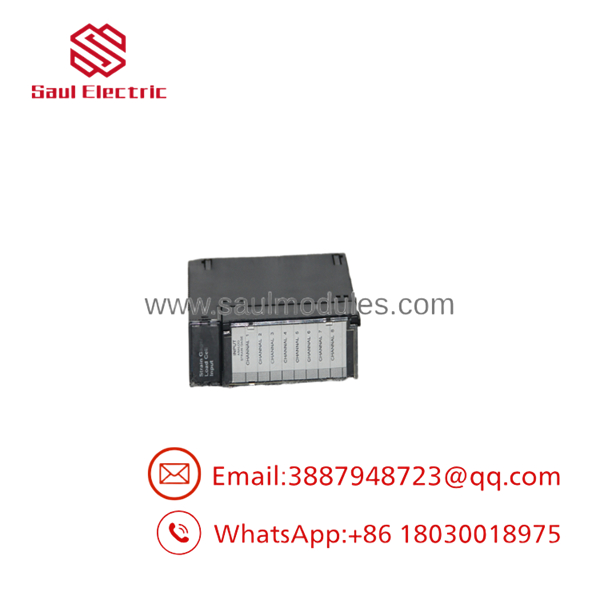
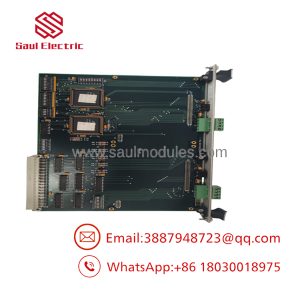
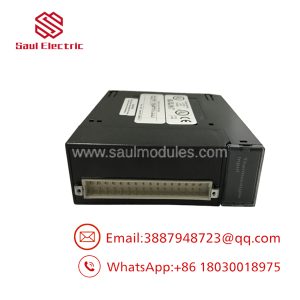
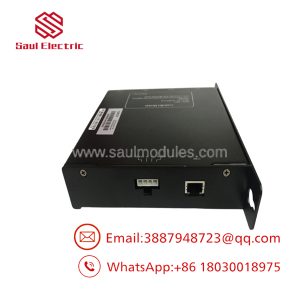
HE693STG884
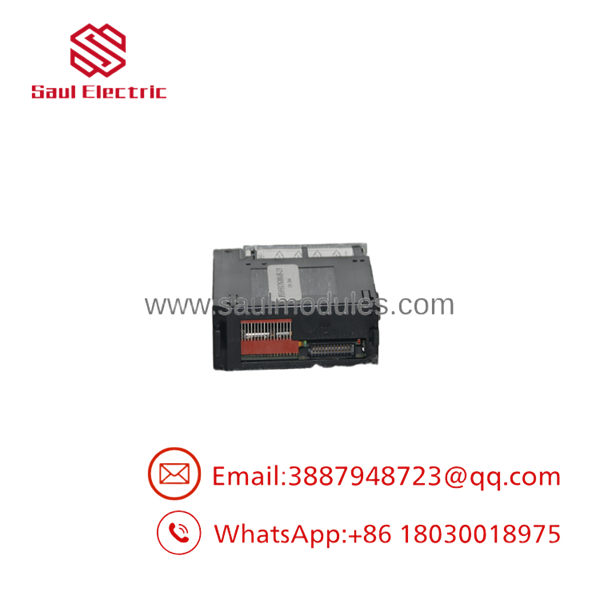
HE693STG884
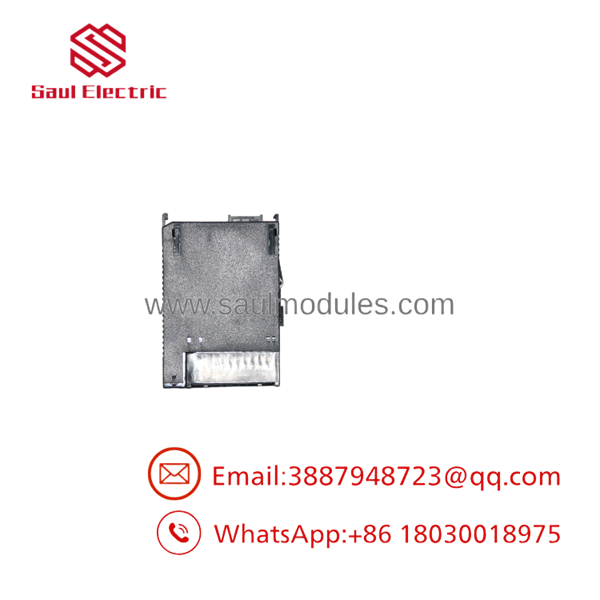
HE693STG884
The Veteran’s Tech Trap Guide
⚠️ Don’t Treat It Like a Standard Analog Input Module
The HE693STG884 is specifically designed for bridged strain gauges (load cells). It is not intended for conventional voltage or current process signals. Using the wrong sensor type will produce inaccurate measurements.
⚠️ Verify Excitation Wiring Before Calibration
Although the module compensates for excitation voltage variations, incorrect load cell wiring or unstable excitation sources can still affect measurement accuracy. Always verify excitation voltage before performing zero or span calibration.
PRO TIP: Record ZERO and TARE parameters before replacing the module. For installations using the HE693STG884-25 variant, these values are cleared at power-up, unlike the standard .
Dynamic FAQ
Q1. What is the primary function of the ?
It directly interfaces up to eight bridged strain gauges or load cells with a GE Series 90-30 PLC, performing signal conditioning and 16-bit analog conversion internally.
Q2. Which input ranges are supported?
Each channel can be individually configured for ±25 mV, ±50 mV, or ±100 mV, allowing the module to accommodate a wide range of load cell sensitivities.
Q3. Does the module support weighing functions?
Yes. The module supports ZERO, TARE, CLEAR, setpoint handling, and excitation voltage compensation, making it well suited for industrial weighing applications.
Q4. Is external signal conditioning required?
No. The is designed to connect bridged load cells directly, eliminating the need for separate transmitters or signal conditioners in many applications.
Q5. How are refurbished modules tested?
Each module undergoes model verification, visual PCB inspection, analog input calibration checks, excitation monitoring verification, functional testing, and connector inspection before shipment.
Q6. Are New Surplus units still available?
Because the Series 90-30 platform has reached the mature stage of its lifecycle, availability varies by inventory. Both New Surplus and professionally refurbished modules are commonly supplied with warranty coverage.

 Start Chat


