





Description
Product Introduction & Engineering Value
Temperature measurement problems are often traced to signal conditioning hardware rather than the sensors themselves. The GE HE693THM809C simplifies the measurement chain by accepting thermocouple inputs directly, performing both analog conditioning and digital conversion on the module before transferring data to the PLC.
Designed for the Series 90-30 platform, the module supports multiple thermocouple types on an eight-channel interface, making it suitable for process heating, furnace monitoring, ovens, reactors, and other applications requiring dependable temperature acquisition.
Technical Specifications
| Parameter | Specification |
|---|---|
| Manufacturer | GE Fanuc / Horner APG |
| Model | HE693THM809C |
| Product Family | Series 90-30 |
| Module Type | Thermocouple Input Module |
| Number of Channels | 8 |
| Supported Thermocouple Types | J, K, N, T, E, R, S |
| Resolution | 0.5°C (0.5°F optional reporting) |
| Typical Accuracy | ±0.5°C (Type J) |
| Input Impedance | >20 MΩ |
| Maximum Safe Overload | ±35 V |
| Common Mode Range | ±12 V |
| Common Mode Rejection | >100 dB |
| A/D Conversion | Integrating, 5 ms conversion time |
| Operating Temperature | 0°C to 60°C (32°F to 140°F) |
| Relative Humidity | 5–95% non-condensing |
| Power Consumption | 70 mA @ 5 VDC, 60 mA @ 24 VDC |
Field Application & The “Trench” Experience
A heat-treatment facility experienced inconsistent furnace temperature readings during production of alloy components. Initial troubleshooting focused on replacing thermocouples, but the readings remained unstable. Engineers discovered that several external temperature transmitters had drifted over time. By installing the HE693THM809C, the thermocouples were wired directly into the Series 90-30 PLC, eliminating unnecessary signal-conditioning hardware. After recalibration, temperature variation dropped significantly, improving process repeatability and reducing scrap during qualification runs.
Typical applications include:
- Continuous heat-treatment furnace temperature monitoring
- Chemical reactor temperature control
- Plastics extrusion barrel temperature measurement
Transparency SOP: QA & Testing
Every New Surplus or Refurbished HE693THM809C follows a documented inspection process before shipment.
- Verify the complete catalog number and hardware revision.
- Inspect PCB assemblies, connectors, and terminal interfaces.
- Simulate thermocouple inputs across all eight channels.
- Verify A/D conversion accuracy and cold junction compensation.
- Test module diagnostics and PLC communication.
- Perform a final visual inspection before anti-static packaging.
The Veteran’s Tech Trap Guide
⚠️ Configure the Correct Thermocouple Type
Each input channel must be configured for the installed sensor type. A Type K thermocouple configured as Type J can produce significant temperature errors without generating a hardware fault.
⚠️ Don’t Overlook Cold Junction Compensation
Accurate thermocouple measurement depends on proper cold junction compensation. Verify the compensation method during commissioning, especially if remote terminal strips are used.
PRO TIP: Route thermocouple wiring separately from motor power cables and variable frequency drive outputs. Electrical noise can affect low-level millivolt signals even when the module’s common-mode rejection is excellent.
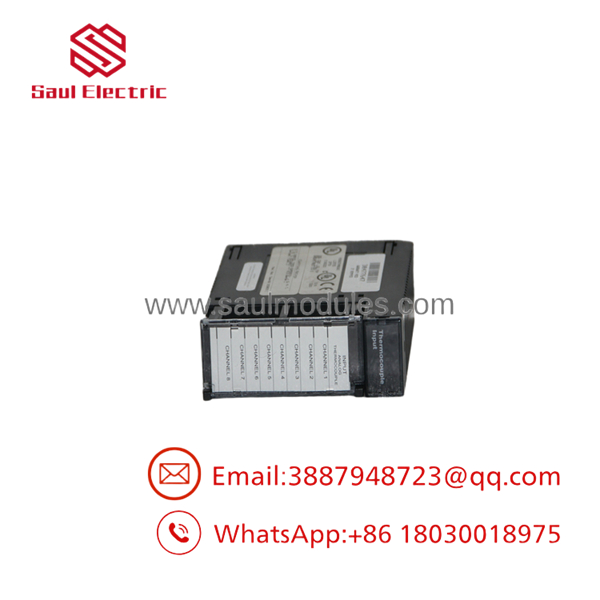
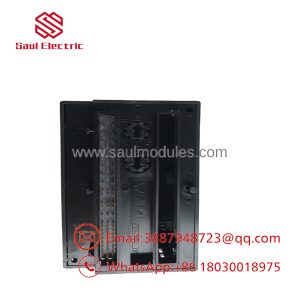
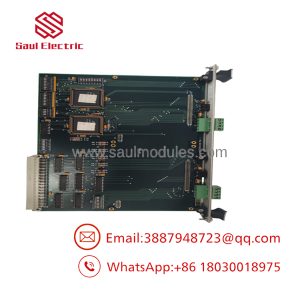
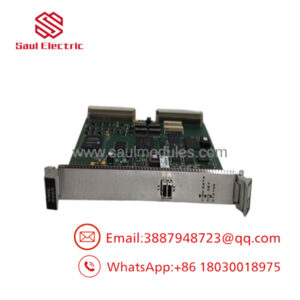
HE693THM809C
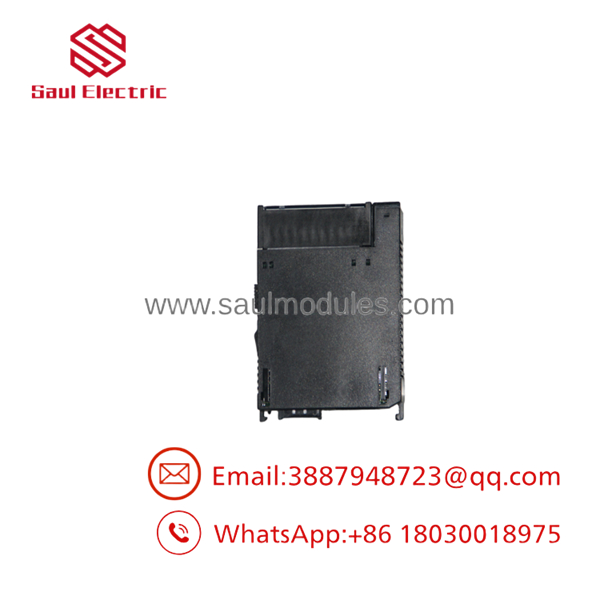
HE693THM809C
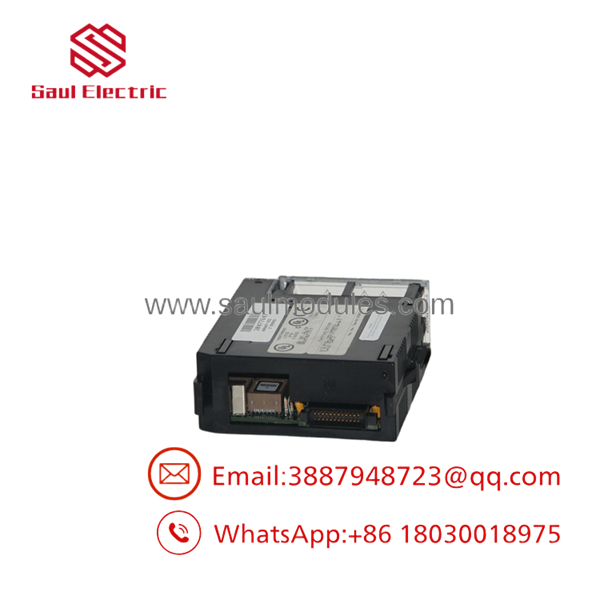
HE693THM809C
Dynamic FAQ
Q1. What sensors are compatible with the HE693THM809C?
The module supports J, K, N, T, E, R, and S thermocouple types, with each channel individually configurable.
Q2. How many temperature inputs does the module provide?
The HE693THM809C accepts eight independent thermocouple input channels for simultaneous temperature monitoring.
Q3. Does the module require external temperature transmitters?
No. The module performs thermocouple signal conditioning and analog-to-digital conversion internally, allowing direct sensor connection.
Q4. What is the measurement resolution?
Temperature values are measured with 0.5°C resolution and may be reported to the PLC in either 0.5°C or 0.5°F increments.
Q5. How are New Surplus and Refurbished modules tested?
Each module undergoes model verification, channel simulation, calibration checks, communication testing, connector inspection, and visual examination before shipment.
Q6. Is the compatible with all Series 90-30 PLC racks?
Yes. It is designed for the GE Fanuc Series 90-30 PLC platform, provided the rack configuration and available analog input references support the module. Configuration should always be verified before installation.

 Start Chat


