





Description
Product Introduction
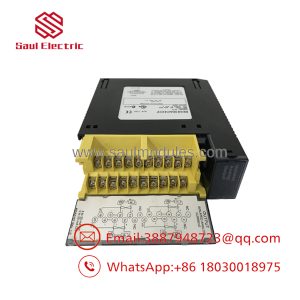
The GE Fanuc IC693BEM331 is a Genius Bus Controller (GBC) module built for GE Series 90-30 PLC systems. It serves as the intelligent communication gateway between the local CPU backplane and a legacy Genius I/O network, managing real-time data exchange across distributed I/O blocks, VersaMax drops, and Genius-compatible field devices.
Offloading network protocol handling directly from the main CPU, the IC693BEM331 maintains deterministic scan times across complex industrial networks. It handles token-passing bus communications, diagnostic report collection, and peer-to-peer messaging across a single shielded twinaxial cable, making it a critical component for maintaining legacy plant automation architectures.
Key Technical Specifications
| Parameter | Specification |
| Module Type | Genius Bus Controller (GBC) |
| Network Protocol | GE Genius I/O Token-Passing Bus |
| Max Devices per Bus | 31 Genius blocks/nodes plus the GBC host (Device ID 0–31) |
| Supported Baud Rates | 153.6 Kbps standard, 76.8 Kbps, 38.4 Kbps, 19.2 Kbps (distance dependent) |
| Maximum Cable Distance | Up to 7,500 feet (2,286 meters) at lower baud rates using standard twinax cable |
| Network Cable Type | Shielded Twisted Pair / Twinaxial Cable (e.g., Belden 9880 / 9182) |
| Backplane Current Draw | 300 mA at 5 VDC from Series 90-30 backplane |
| Diagnostics | LED indicators for Module OK, Bus Active, and Comm Error |
| Configuration | Configured via Logicmaster 90, VersaPro, or Proficy Machine Edition |
| Isolation | Optical isolation between network bus and PLC backplane |
Application Scenarios & The “Trench” Experience
At 3:30 AM during a scheduled shift change at a tire manufacturing plant, the main curing press line dropped offline. The Series 90-30 master CPU lost communication with five remote Genius I/O blocks controlling hydraulic pressure manifolds. The diagnostic LED on the installed IC693BEM331 went completely dark—a dead GBC board had severed the network link. With raw rubber curing mid-cycle in four separate presses, the engineering team faced thousands of dollars in ruined material if they couldn’t restore network handshakes immediately.
Application Scenarios
- Rubber & Plastics Processing: Connects central Series 90-30 CPUs to remote Genius I/O blocks distributed across multi-stage press and curing lines.
- Material Handling & Warehousing: Links PLC CPUs to remote Genius blocks mounted on long overhead gantry systems and crane runways.
- Legacy System Modernization: Acts as a bridge to keep existing field-proven Genius I/O blocks running while upgrading CPU racks.
- Automotive Stamping Lines: Coordinates high-speed I/O signals between interlocking safety gates, robotic loaders, and hydraulic press beds.
Field Case Study
A paper mill in Maine suffered a sudden bus failure on its dry-end roller controls. The primary IC693BEM331 controller card experienced a transceiver hardware failure, locking up the entire Genius network loop and halting the paper machine line. Downtime was burning $14,000 per hour. We dispatched an inspected, factory-tested surplus IC693BEM331 via overnight air courier. The site engineer popped off the front terminal block, replaced the card in slot 3, restored rack power, and re-established the Genius bus handshake within 15 minutes of unboxing—saving the plant from a multi-shift shutdown.
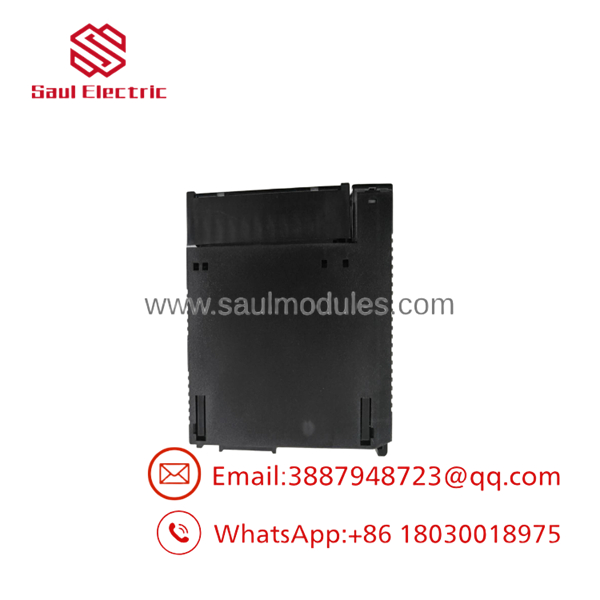
IC693BEM331
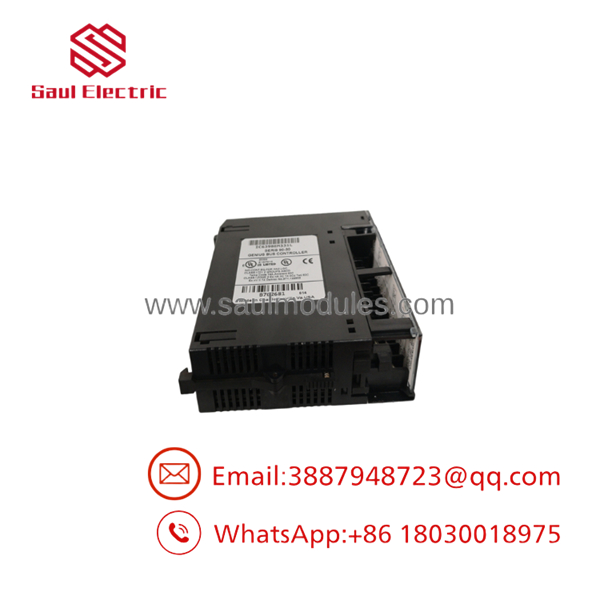
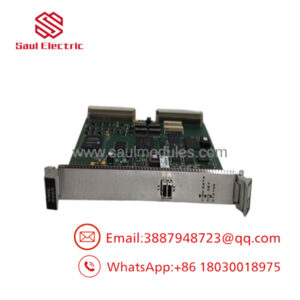
IC693BEM331
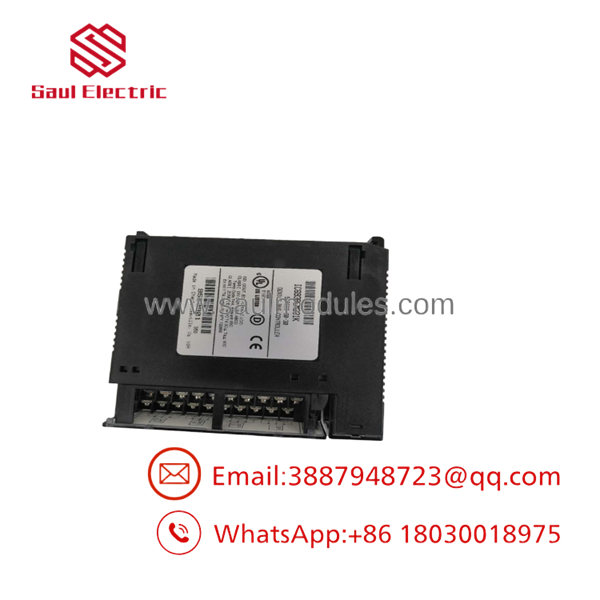
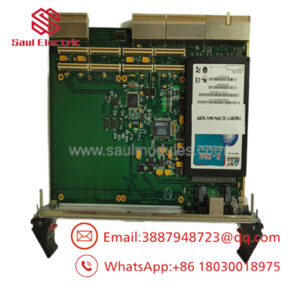
IC693BEM331
Transparency SOP: Quality Assurance & Testing
We don’t just ship surplus parts; every IC693BEM331 GBC card goes through full functional network testing on physical GE hardware before entering stock.
- Inbound Visual Verification: Inspection for bent backplane pins, fractured housing clips, damaged front serial terminals, and OEM board revision consistency.
- Backplane & Power-On Test: Inserted into an active GE Series 90-30 rack (IC693CHS397 with IC693CPU364) to confirm power-up self-test, board registration, and LED status routines.
- Live Genius Network Handshake: Connected to a multi-node test loop containing real Genius I/O blocks (e.g., IC660BBD020) over Belden twinax cabling to verify token-passing stability.
- Baud Rate & Data Throughput Sweeps: Tested at 153.6 Kbps and lower rates to verify signal integrity, parity checking, and message transfer under simulated bus traffic.
- Anti-Static Sealing & Final QC: Fault logs cleared, board sealed inside heavy-duty ESD packaging, and packed in custom foam enclosures for drop-safe shipping.
The Veteran’s Tech Trap Guide
- ⚠️ Set Your SBA (Serial Bus Address) Correctly: Every node on a Genius network must have a unique Serial Bus Address (0 to 31). The GBC module is typically set to SBA 31 or SBA 0 in hardware configuration. If you drop in a replacement card configured with a duplicate SBA, the network will experience token collisions and crash the entire bus!
- ❗ Never Hot-Swap on the Series 90-30 Backplane: The GE Series 90-30 backplane is not hot-swappable. Removing or plugging in an while the rack is powered can cause electrical arcs across the backplane edge connector, destroying the GBC chip set or tripping the CPU. Always power down the rack first.
- ⚠️ Check Terminal Resistors at Bus Ends: Genius networks require 75-ohm, 100-ohm, or 120-ohm terminating resistors (depending on cable type) installed across the Serial 1 and Serial 2 terminals at the physical ends of the cable run. If you replace a card at an end node, don’t forget to move the terminating resistor over to the new block!
- ❗ Verify Shield Cable Grounding: Genius communications use a twinaxial shielded cable. Ensure the shield wire is grounded at one end only (typically at the GBC host). Dual-grounding the shield creates ground loops that induce severe noise on the communication lines, causing random dropouts.
Frequently Asked Questions (FAQ for Conversion)
Q: Is the GE Fanuc hot-swappable?
A: No. The Series 90-30 architecture does not support hot-swapping. You must completely disconnect rack power before removing or inserting the module.
Q: Can I use the in any slot of a Series 90-30 baseplate?
A: No. The must be installed in a rack slot that supports high-speed communication cards (typically slots 2 through 5 in a main CPU baseplate). Check your baseplate restrictions and hardware manual before placement.
Q: What is the maximum number of devices an can control?
A: A single Genius Bus Controller can manage up to 31 remote Genius devices on a single cable run.
Q: Are software tools like Proficy Machine Edition compatible with this older module?
A: Yes. While older installations used Logicmaster 90 or VersaPro, modern Emerson/GE Proficy Machine Edition fully supports configuring and troubleshooting the module.
Q: What warranty coverage is provided with this surplus module?
A: Every module includes a full 12-month replacement warranty. All units are authentic GE Fanuc equipment sourced from plant spares and fully bench-tested on live Genius network loops before delivery.

 Start Chat


