





Description
Key Technical Specifications
| Parameter | Value |
|---|---|
| Manufacturer | GE Fanuc / Emerson |
| Model Number | IC698CPE030-HN |
| Series | PACSystems RX7i |
| Product Type | CPU module |
| Processor | 600 MHz Pentium-M class CPU |
| User Memory | 64 MB |
| Flash Memory | 64 MB non-volatile |
| Serial Ports | RS-485, RS-232, station manager RS-232 |
| Ethernet | 10/100 Ethernet |
| Backplane | RX7i/VME64 backplane |
| Power Requirement | Backplane-powered RX7i CPU module |
| Operating Temperature | Industrial cabinet service temperature |
Product Introduction & Supply Chain Strategy
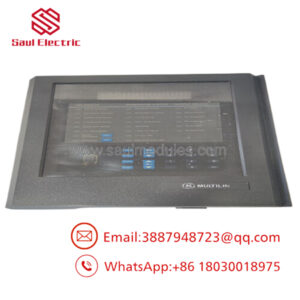
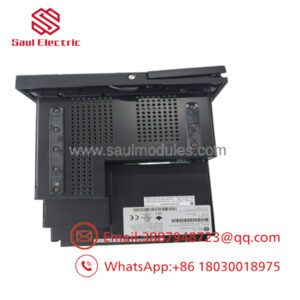
GE IC698CPE030-HN is a PACSystems RX7i CPU module used to run PLC logic and manage industrial communications in legacy and mid-life automation systems. It serves as the control core in systems that need reliable execution, Ethernet connectivity, and support for complex rack-based architectures.
Buying it as New Surplus is a sound supply-chain decision because this is a legacy controller class where lead time variability and obsolescence exposure can create expensive outages. For this type of spare, Total Cost of Ownership is driven by stock-out risk, compatibility risk, and downtime avoidance rather than unit price alone.
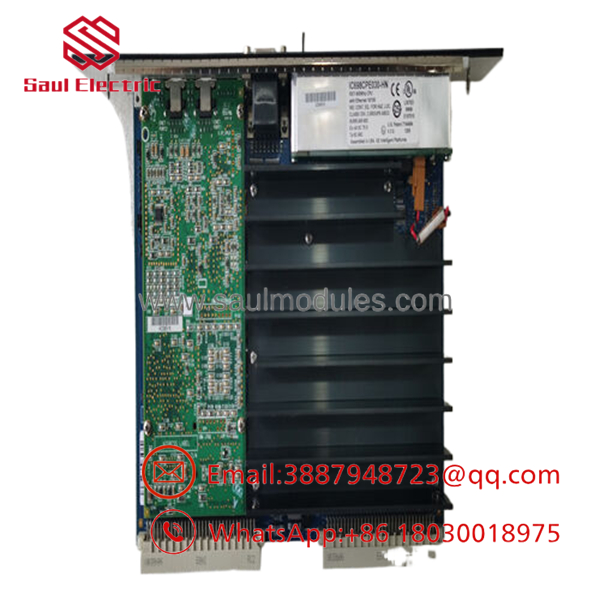
- IC698CPE030-HN
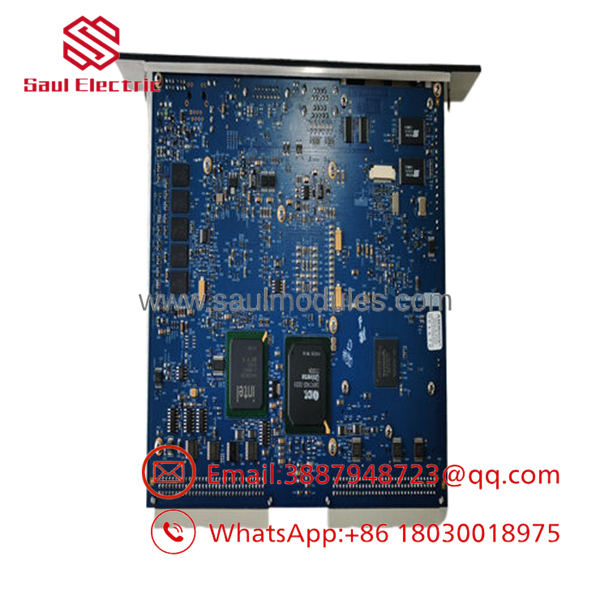
- IC698CPE030-HN
Installation & Configuration Guide
Stage 1: Pre-Installation
Apply lock-out/tag-out and confirm the rack is fully de-energized. Use an ESD strap, insulated tools, and a camera. Photograph wiring, slot position, serial cable routing, and network connections before removal.
Stage 2: Removal
Disconnect all field and communication wiring carefully, labeling each cable as you go. Remove the CPU straight from the backplane to avoid bent pins or connector damage. Keep the old module until the replacement boots and communicates correctly.
Stage 3: Installation
Replicate the original wiring, slot placement, and network settings exactly. Seat the CPU fully and confirm proper backplane engagement. Reconnect Ethernet and serial links, then verify the power and ground path before startup.
Stage 4: Power-On & Testing
Check the backplane supply rails and verify there are no shorts before energizing. Confirm the CPU boots normally, the Ethernet link comes up, and the serial ports respond. Validate the application logic and rack configuration before returning the system to service.
Firmware/Software Versions & Upgrade Notes
Document the installed firmware and site logic before any replacement. Keep the hardware revision aligned with the original configuration, because mismatch can affect serial behavior, Ethernet services, or startup compatibility.
Avoid upgrading or downgrading firmware during a simple swap unless you have a tested reason and a rollback plan. On legacy RX7i systems, the risk is not the firmware itself; it is the chain reaction it can trigger in configuration files, communications, and validated site logic.
Frequently Asked Questions
Is this really new? The correct procurement position is New Surplus / Original New, not refurbished or repaired.
Why is it cheaper than OEM new but more expensive than refurb stock? New Surplus comes from controlled excess inventory, so it costs less than factory list pricing while avoiding the risk of uncertain-condition replacement units.
Is this part obsolete or EOL? Yes, treat it as a strategic legacy spare. That means buffer stock, vendor consolidation, and last-time-buy planning are appropriate.
Can I hot-swap it? Do not assume hot-swap is safe. Isolate the rack and replace it only under a controlled maintenance procedure.
Will the program stay in the module? The CPU supports non-volatile storage and station manager functions, but you should still archive the program and verify the restored image after installation.
What warranty terms make sense? For New Surplus PLC CPUs, warranty should be tied to traceability, outbound testing, and condition verification. The real value is avoiding a stock-out on a critical controller.

 Start Chat


