





Description
Product Introduction & Engineering Value
When an existing control system begins handling larger programs, more Ethernet traffic, and additional remote I/O, processor performance can become the limiting factor rather than the field hardware. The GE IC698CPE040 was developed to address those demanding applications within the PACSystems RX7i platform.
Powered by a 1.8 GHz Intel Pentium M processor, the IC698CPE040 delivers significantly higher execution performance than earlier RX7i CPUs while maintaining compatibility with existing RX7i I/O modules, VME64 architecture, and Proficy Machine Edition engineering software.
Technical Specifications
| Parameter | Specification |
|---|---|
| Manufacturer | GE Fanuc / Emerson |
| Model | IC698CPE040 |
| Product Family | PACSystems RX7i |
| CPU Type | Floating Point Central Processing Unit |
| Processor | 1.8 GHz Intel Pentium M |
| User Memory | 64 MB Battery-Backed RAM |
| User Flash Memory | 64 MB Non-Volatile Flash |
| Typical Boolean Execution | 0.02391 ms per 1,000 Boolean Contacts/Coils |
| Maximum Discrete I/O | 32K Bits |
| Maximum Analog I/O | 32K Words |
| Ethernet Ports | Dual Auto-Sensing 10/100Base-T RJ-45 |
| Serial Interfaces | RS-232, RS-485, Dedicated Station Manager Port |
| Supported Protocols | SRTP, Ethernet Global Data (EGD), Modbus TCP Client/Server, SNP, Modbus RTU Slave |
| Program Capacity | Up to 512 Program Blocks (128 KB Maximum per Block) |
| Operating Temperature | 0–60°C (Fan Tray Required) |
| Backplane | VME64 ANSI/VITA Architecture |
Field Application & The “Trench” Experience
A steel producer expanded its continuous casting process by adding advanced quality inspection, historian logging, and several remote operator stations. The existing RX7i controller remained reliable, but processor utilization consistently exceeded acceptable limits during peak production.
Rather than replacing the complete control system, engineers upgraded the processor to an IC698CPE040. After downloading the existing project and validating Ethernet parameters, scan times decreased substantially while preserving the original I/O infrastructure, HMI configuration, and network architecture.
Typical application scenarios include:
- Continuous casting process control
- Combined-cycle power plant balance-of-plant automation
- High-speed packaging and palletizing systems
- Refinery utility and compressor control
- Large water and wastewater treatment facilities using distributed Ethernet communications
Transparency SOP: QA & Testing
Every New Surplus and professionally refurbished IC698CPE040 is verified using a documented inspection procedure before shipment.
- Complete visual inspection of PCB, connectors, and CPU housing.
- Installation and power-up verification in an RX7i VME rack.
- Processor diagnostics and memory integrity testing.
- Battery-backed RAM retention verification.
- Flash memory read/write testing.
- Dual Ethernet communication testing with SRTP and Modbus TCP traffic.
- RS-232 and RS-485 serial communication verification.
- Extended operational burn-in under simulated PLC workloads followed by ESD-safe packaging.
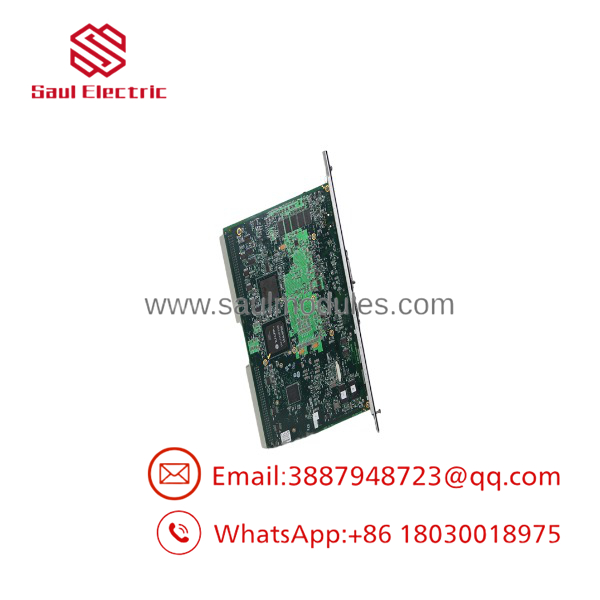
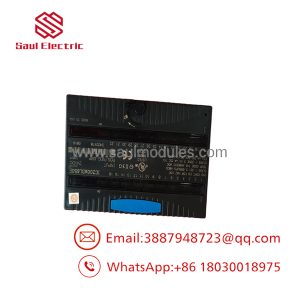
IC698CPE040
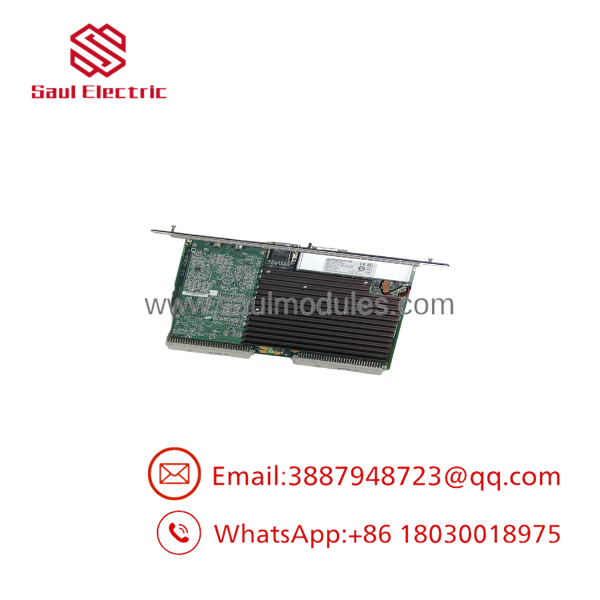
IC698CPE040
The Veteran’s Tech Trap Guide
⚠️ Back Up the Project Before CPU Replacement
Although the IC698CPE040 retains user memory with a battery, always create a current backup using Proficy Machine Edition before replacing the processor. An outdated backup can significantly extend recovery time after commissioning.
⚠️ Document Ethernet Parameters First
The CPU contains an integrated Ethernet switch with dual RJ-45 ports. Before removing the existing processor, record the IP address, subnet mask, gateway, and EGD configuration. Many commissioning delays result from missing network documentation rather than hardware faults.
PRO TIP:
If the CPU appears healthy but HMIs cannot connect, verify for duplicate IP addresses, incorrect subnet settings, or disabled Ethernet services before assuming the processor has failed. These configuration issues are encountered far more often than defective CPU hardware.
⚠️ Install the Battery Correctly
When installing a battery where none was previously installed, GE recommends applying CPU power before connecting the battery. Installing the battery while the CPU is unpowered may prevent normal startup until the controller is power-cycled.
Dynamic FAQ
Q1. What processor is used in the ?
The uses a 1.8 GHz Intel Pentium M processor, making it one of the highest-performance CPUs available for the PACSystems RX7i family.
Q2. How much memory does the CPU provide?
The processor includes 64 MB of battery-backed user RAM and 64 MB of non-volatile Flash memory for application programs, configuration data, and symbolic variables.
Q3. What communication interfaces are built into the ?
The CPU includes dual 10/100 Mbps Ethernet ports, one RS-232 port, one RS-485 port, and a dedicated Station Manager serial interface, supporting SRTP, Ethernet Global Data (EGD), Modbus TCP, SNP, and Modbus RTU Slave communications.
Q4. Is New Surplus inventory genuine?
Yes. New Surplus modules are authentic OEM inventory that has never been installed in production equipment. Each unit is inspected for hardware revision, connector integrity, cosmetic condition, and identification before shipment.
Q5. How are refurbished CPUs tested?
Every refurbished processor undergoes CPU diagnostics, RAM and Flash verification, Ethernet and serial communication testing, battery-backed memory retention checks, firmware verification, and extended operational burn-in using a fully configured RX7i test platform.
Q6. Which engineering software is used to configure the ?
The is programmed using Proficy Machine Edition Logic Developer PLC, supporting Ladder Diagram, Structured Text, Function Block Diagram, and C programming while providing online monitoring, diagnostics, and firmware management.


 Start Chat


