





Description
Product Introduction
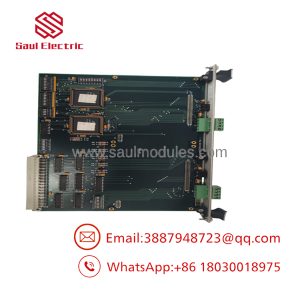
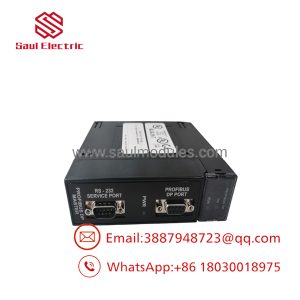
The GE Fanuc PACSystems RX7i IC698RMX016 is a high-speed Reflective Memory module designed for high-availability redundancy, real-time peer-to-peer data sharing, and complex multi-CPU synchronization on the RX7i VME platform. Operating at fiber-optic transmission speeds up to 2.12 Gbaud, the module replicates up to 16 Megabytes of local memory across all nodes connected in a high-speed fiber ring network.
When a word or block of memory is written to the IC698RMX016 in one RX7i rack, the hardware automatically transmits that data around the fiber ring to all other connected Reflective Memory nodes in microsecond timeframes without CPU involvement. This deterministic, zero-overhead execution makes the IC698RMX016 an essential component for RX7i High Availability (HA) Hot Standby CPU systems, continuous batch operations, and multi-controller power generation plants.
Key Technical Specifications
| Parameter | Value |
| Module Type | Reflective Memory Module (RMX) |
| Onboard Memory Capacity | 16 MB Shared High-Speed RAM |
| Fiber Optic Interface | LC Fiber Optic Transceivers (Multimode) |
| Baud Rate / Link Speed | 2.12 Gbaud serial transfer rate |
| Topology | Ring / Loop Architecture (Node-to-Node daisy-chain) |
| Transmission Distance | Up to 300 meters (984 ft) using 50/125 µm multimode fiber |
| Data Transfer Latency | Deterministic microsecond-level hardware propagation |
| Backplane Standard | VME64 Architecture (Installs in any available RX7i I/O slot) |
| Diagnostic LEDs | Link OK, Node Status, RX/TX Activity, Fault Indicators |
| Power Consumption | Draws power directly from the RX7i VME backplane rails |
Application Scenarios & The “Trench” Experience
In critical high-availability control architectures, loss of reflective memory link synchronization prevents the backup CPU from keeping pace with the active primary CPU, disabling bumpless hot-standby failover.
- High Availability (HA) Hot Standby Racks – Synchronizing CPU control states, I/O registers, and PID loop parameters continuously between Primary and Backup RX7i CPU racks.
- Complex Multi-Turbine Control Systems – Sharing high-speed sensor inputs and trip parameters deterministically between multiple independent generator control systems.
- Continuous Chemical & Glass Plants – Preventing process interruptions during primary controller maintenance by enabling zero-delay hardware failover.
Field Case Study: A combined-cycle power plant experienced intermittent “Redundancy Out of Sync” alarms across its twin RX7i governor racks due to a degraded fiber link transceiver on an old memory node. Replacing the failed card with a pre-tested IC698RMX016 module re-established the 2.12 Gbaud fiber loop, restoring full hardware redundancy and preventing a forced unit outage.
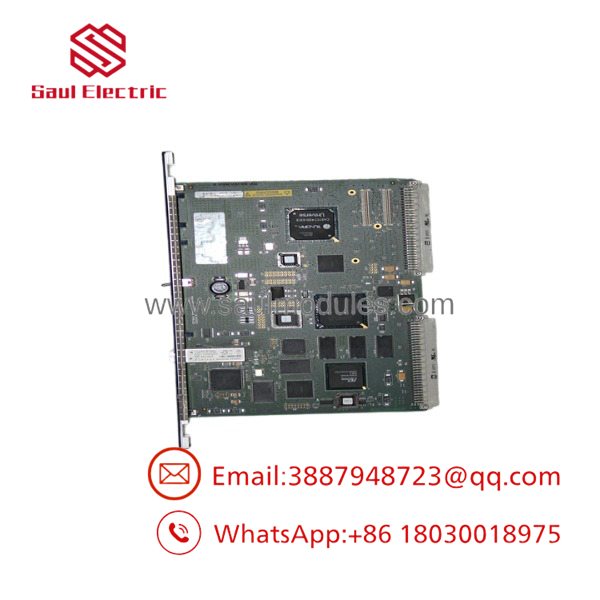
IC698RMX016
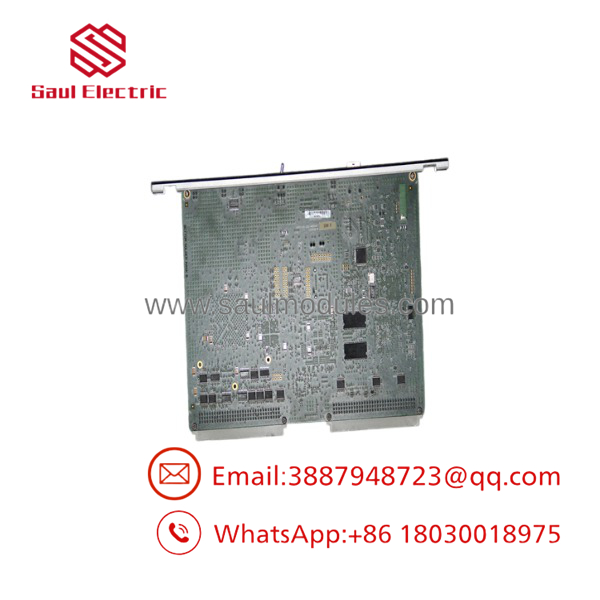
IC698RMX016
Transparency SOP: Quality Assurance & Testing
Testing high-speed fiber-optic Reflective Memory cards requires an active RX7i test chassis, a multi-node optical ring setup, and full-rate memory synchronization loopbacks.
- Inbound Mechanical Inspection: Inspect VME gold backplane connectors, faceplate ejection levers, LC fiber ports, and verify OEM serial/revision tags.
- Optical Transceiver Audit: Inspect LC fiber optic sockets under magnification for dust contamination, pin alignment, or optical power attenuation issues.
- Multi-Node Ring Loop Test: Connect the IC698RMX016 into an RX7i test rack within a dual-node fiber ring; verify full 16MB memory write/read propagation in real time.
- Redundancy Failover Stress Run: Force CPU switchovers in PAC Machine Edition to confirm that memory synchronization buffers remain error-free under peak scan loads.
- Anti-Static & Optical Packaging: Cap LC optical ports with protective dust plugs, wrap in an ESD shielding bag, and package inside dense foam-padded boxes.
The Veteran’s Tech Trap Guide (Crucial Value-Add)
⚠️ Protect the Fiber Ports and Clean Connections! Fiber optic LC transceivers on the IC698RMX016 are sensitive to microscopic dust and oil. Always keep dust caps installed until fiber cables are connected, and use optical cleaning wipes before plugging in cables. A tiny speck of dust can cause excessive optical attenuation, resulting in intermittent link loss and redundancy trips!
❗ Mind the Ring Topology (TX to RX Wiring)! Reflective Memory operates in a closed loop or ring. The Transmit (TX) port of Node 1 MUST connect to the Receive (RX) port of Node 2, and the TX port of Node 2 MUST connect back to the RX port of Node 1. Crossing or swapping TX-to-TX will keep the link down!
⚠️ Match Memory Sizes Across Redundant Pairs! When using IC698RMX modules for PACSystems High Availability Redundancy, always ensure that both the Primary and Secondary RX7i racks use matching memory sizes (e.g., pairing an with another ). Mismatched memory sizes can cause redundancy configuration errors during initialization.
Frequently Asked Questions (FAQ)
Q: Can I use the in a PACSystems RX3i or Series 90-70 rack?
A: No. The uses the RX7i VME form factor and is designed for PACSystems RX7i backplanes. (RX3i uses IC695RMX128; Series 90-70 uses IC697RMX series).
Q: What fiber optic cable type is required for the ?
A: It requires standard multimode fiber optic cable with LC connectors (50/125 µm or 62.5/125 µm multimode).
Q: How is the configured in PAC Machine Edition?
A: Hardware configuration is performed within PAC Machine Edition (PME), where you assign the module slot location, memory offset addresses, and redundancy parameters.
Q: Is the hot-swappable?
A: No. RX7i VME racks do NOT support hot-plugging modules. Always shut down power to the rack chassis before inserting or removing the module.
Q: What warranty is provided with this module?
A: All new surplus and fully bench-tested pre-owned modules supplied from our stock come backed by a full 12-month replacement warranty.

 Start Chat


