





Description
Product Introduction
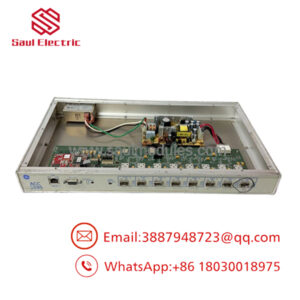
The GE IS200ECTBG1ABB serves as a dedicated Excitation Contact Terminal Board (ECTB) within the GE Speedtronic Mark VI control system and EX2100 generator excitation systems. Installed in redundant excitation configurations, it acts as the primary hardware interface for discrete contact monitoring—such as 52G generator online status and 86G lockout inputs—while routing output trips to execution relays.
Managed upstream by the EMIO control board, the ECTBG1ABB provides local 70V DC wetting power directly to its field contact loops. This onboard power architecture insulates main system microprocessors from external wiring faults and ground loops, ensuring rapid execution of trip signals (like 94EX and 30EX auxiliary lines) during power plant transients.
Key Technical Specifications
| Parameter | Specification |
| Manufacturer | General Electric (GE) |
| Part Number | IS200ECTBG1ABB |
| System Lines | Speedtronic Mark VI / EX2100 Excitation |
| Functional Acronym | ECTB (Group 1 Version) |
| System Architecture | Redundant Mode Only (Requires M1/M2 power supplies) |
| Contact Inputs | 6 Wetted Auxiliary Inputs (including 52G and 86G) |
| Wetting Power | 70V DC (supplied directly via board from EPSM module) |
| Relay Outputs | 4 Form-C Relays (e.g., 94EX, 30EX) + 2 Trip Contacts |
| Control Interfaces | Managed by EMIO; connects via J405, J408, J418 D-shell headers |
| Manual References | GEI-100457 / GEH-6632 |
Application Scenarios & The “Trench” Experience
A 500MW generator set fails to complete an automated synchronization sequence due to an open contact alarm on the 52G breaker line. Diagnostics show the physical breaker contact closed correctly, but the 70V DC wetting supply from the aging ECTB card dropped below threshold, failing to register the state change with the EMIO processor. Every minute the excitation regulator stays locked out costs the utility thousands in grid penalties. Swapping in a fully bench-tested IS200ECTBG1ABB card restores stable 70V wetting power, clears the permissive fault, and allows immediate breaker closing.
- Power Generation Facilities – Generator Breaker Status (52G) – Powers and monitors generator online contacts to synchronize excitation regulators.
- Generator Protection Systems – Master Lockout (86G) – Receives high-priority lockout signals to de-energize exciter field circuits under emergency trips.
- Utility Substation Automation – Auxiliary Relay Control – Drives 94EX trip and 30EX alarm coils via onboard Form-C relay contacts.
Transparency SOP: Quality Assurance & Testing
We don’t just ship boxes; we test them on actual GE Mark VI test rigs.
- Inbound Visual Inspection: Trace-level analysis under magnification checking for thermal stress discoloration, cracked relay bodies, bent D-shell pins, and clean terminal block threads.
- Contact Wetting Circuit Audit: Bench power-up to confirm the internal 70V DC wetting supply is regulating accurately across all 6 input channels.
- Relay Continuity & Coil Testing: Cycle-testing all Form-C relays (NC/NO contact states) under electrical load to ensure low-resistance closure and zero contact bounce.
- Live Rig Handshake: Connecting J405, J408, and J418 D-shell interfaces to an active Mark VI rack to confirm communication handshakes with the EMIO board.
- Anti-Static Packaging: Vacuum-sealed in anti-static ESD shielding bags with fresh desiccant prior to protective foam encapsulation.
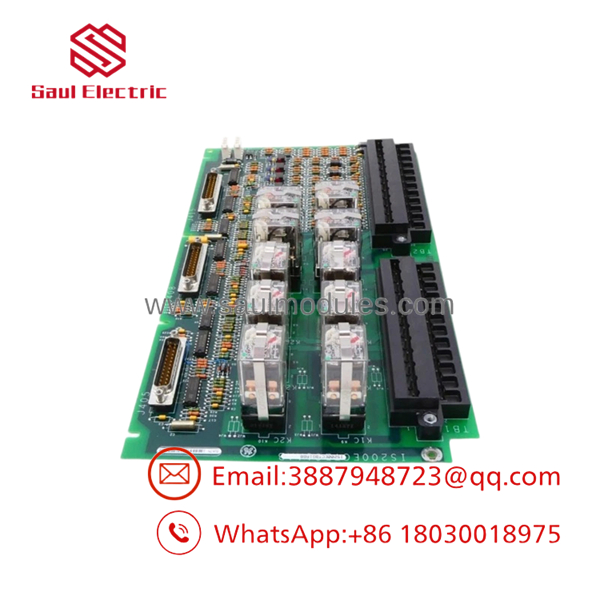
IS200ECTBG1ABB
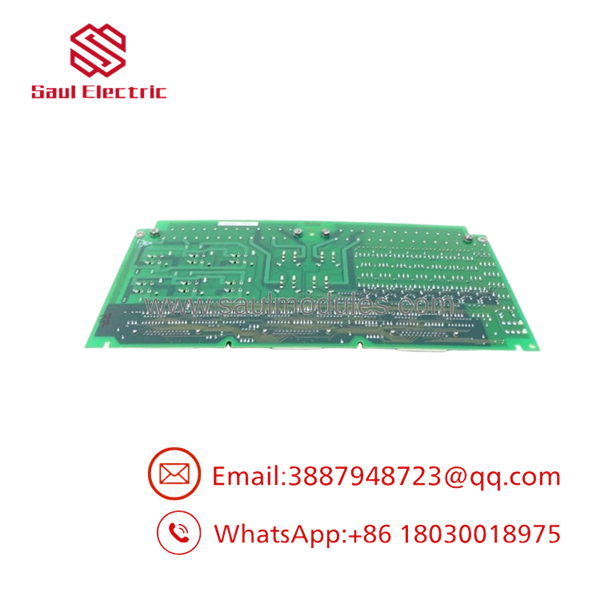
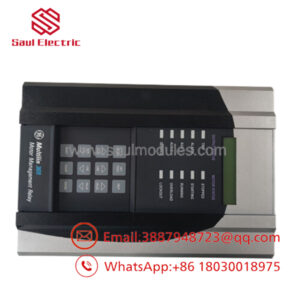
IS200ECTBG1ABB
The Veteran’s Tech Trap Guide (Crucial Value-Add)
- ⚠️ REDUNDANT MODE ONLY (
G1vsG2): To be honest, this is the biggest installation mistake in the field. TheG1ABBmodel is engineered exclusively for redundant excitation systems. If your cabinet uses a Simplex architecture, this board will throw system mismatch alarms—you need anECTBG2board instead. - ❗ 70V DC Wetting Voltage Hazard: Remember that terminals for inputs like 86G and 52G carry 70V DC generated directly by the board. Always verify terminals are dead with a multimeter before touching field wires, or you will short out the board’s internal power supply.
- ⚠️ Check D-Shell Cable Latches: The J405, J408, and J418 connectors link directly to the control modules. Ensure the metal thumbscrews are fully tightened; loose D-shell connections cause intermittent trip alarms under turbine cabinet vibration.
- ❗ Verify Revision Suffixes: Suffix
ABBdenotes specific functional and artwork updates. While backward compatible with olderAAAboards in most cases, always check that your EMIO firmware release supports the specific hardware revision level.
Frequently Asked Questions (FAQ for Conversion)
Q: What is the primary difference between an IS200ECTBG1ABB and a G2 version?
A: G1 group boards (like G1ABB) are designed strictly for redundant Mark VI / EX2100 systems, receiving power from M1 and M2 power supplies. G2 group boards are built for Simplex system configurations.
Q: Can I hot-swap the IS200ECTBG1ABB card while the turbine is online?
A: No. Absolutely not. Pulling an active contact board will open critical 52G/86G sensing loops and interrupt Form-C trip relay circuits, causing an immediate trip of the excitation system or generator breaker. Always de-energize the cabinet section first.
Q: Does this terminal board carry software or flashable firmware?
A: No. The IS200ECTBG1ABB is a hardware interface card. Signal processing and control logic are executed by the connected EMIO board. It requires zero software downloads or laptop flashing upon replacement.
Q: Where does the board get its 70V DC contact wetting power?
A: The 70V DC wetting voltage is supplied to the ECTB board via the EPSM module (M1/M2 power distribution) and routed across the field input terminals.
Q: What warranty is provided with this item?
A: Every unit comes backed by a full 12-month replacement warranty from the date of shipment, covering all relay operations, input wetting paths, and onboard circuitry.

 Start Chat


