





Description
Key Technical Specifications
| Parameter | Value |
|---|---|
| Manufacturer | GE |
| Model | IS200JPDMG1ACC |
| Hardware Code | S1AT005 |
| Product Type | Jumper Power Distribution Card |
| System Platform | GE Mark VI Speedtronic Turbine Control System |
| Input Voltage | 28 V DC |
| Maximum Current | Up to 35 A |
| Output Protection | Individual fused outputs with short-circuit protection |
| Mounting | DIN-rail / control cabinet installation |
| Power Architecture | Supports three independent power buses or redundant single-bus configuration |
| System Interface | Interfaces with PPDA I/O Pack and Mark VI power distribution network |
| Typical Applications | Gas turbines, steam turbines, combined-cycle power plants, industrial turbine control systems |
Product Introduction & Supply Chain Strategy
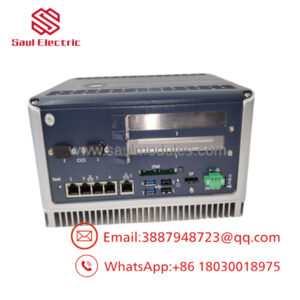
The GE IS200JPDMG1ACC S1AT005 is a Jumper Power Distribution Card used within the GE Mark VI Speedtronic turbine control platform. It receives 28 V DC input power from external power converters and safely distributes protected power to I/O packs, Ethernet switches, and other control modules while maintaining multiple isolated power buses for reliable turbine operation.
Because the Mark VI platform remains installed in many power generation facilities while OEM production has become limited, maintaining New Surplus inventory is a sound supply-chain strategy. New surplus modules reduce Total Cost of Ownership (TCO), minimize lead time variability, and avoid the reliability risks associated with refurbished electronics. Critical generating units should maintain 1–2 spare modules and evaluate last-time-buy opportunities before genuine inventory becomes scarce.
Installation & Configuration Guide
Stage 1 – Pre-Installation (Preparation & Safety)
- Perform complete Lock-Out/Tag-Out (LOTO).
- Isolate all 28 V DC power sources.
- Wear a grounded ESD wrist strap.
- Record all incoming and outgoing power connections.
- Photograph jumper locations and wiring before removal.
Stage 2 – Removal
- Verify all power buses are de-energized.
- Disconnect field wiring and power connectors.
- Remove DIN-rail or panel mounting hardware.
- Carefully extract the module.
- Inspect connectors and fuse holders for damage.
Stage 3 – Installation
- Verify the replacement is IS200JPDMG1ACC S1AT005.
- Install the module securely.
- Restore all jumper settings exactly as documented.
- Reconnect incoming and outgoing power wiring.
- Confirm fuse ratings match the original installation.
Stage 4 – Power-On & Testing
- Restore 28 V DC input power.
- Verify all output voltages.
- Check power status indicators.
- Confirm communication with associated I/O packs.
- Perform a complete turbine control system functional test before returning the unit to service.
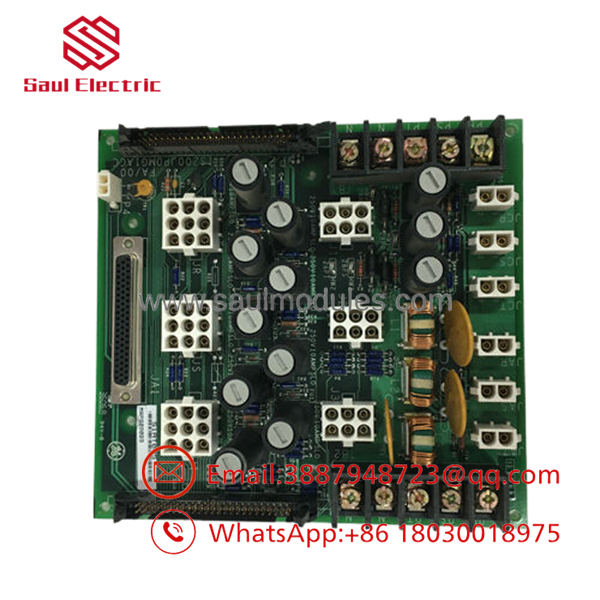
- IS200JPDMG1ACC S1AT005
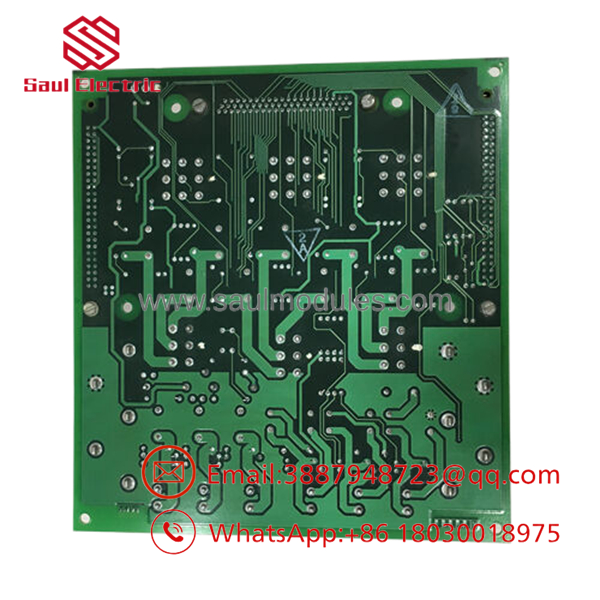
- IS200JPDMG1ACC S1AT005
Firmware / Software Versions & Upgrade Notes
- The IS200JPDMG1ACC is primarily a hardware power distribution module and does not normally require firmware updates.
- Verify compatibility with the installed Mark VI hardware revision.
- Ensure associated PPDA I/O Packs and controller firmware remain compatible with the overall system configuration.
- Avoid replacing multiple power distribution modules simultaneously unless required by an approved maintenance procedure.
- After replacement, perform complete power integrity and protection verification before restarting the turbine.
Frequently Asked Questions (FAQ)
Q1. Is this a New Original product?
Yes. This product should be supplied as New Original / New Surplus. It is not used, repaired, or refurbished. Each module should undergo serial number verification, visual inspection, and electrical testing before shipment.
Q2. What is the primary function of the ?
It distributes protected 28 V DC power throughout the GE Mark VI control system while maintaining isolated or redundant power buses for critical turbine control equipment.
Q3. What does the S1AT005 designation indicate?
S1AT005 is a GE hardware identification or revision code used to distinguish a specific manufacturing configuration. When purchasing a replacement, always verify both the model number and the hardware revision to ensure compatibility.
Q4. Can this module be replaced while the system is energized?
No. Because it distributes control power to multiple critical subsystems, the module should only be replaced after all associated DC power sources have been safely isolated.
Q5. Why choose New Surplus instead of refurbished?
New Surplus hardware retains original OEM manufacturing quality and has never been deployed in service. It offers longer expected service life and substantially reduces the risk of unexpected power distribution failures compared with refurbished electronics.
Q6. What warranty is appropriate for New Surplus inventory?
Professional industrial automation suppliers typically provide a 12 month warranty, along with electrical verification, serial number validation, ESD-safe packaging, and export-grade shipping protection.
Q7. What inventory strategy is recommended?
For power plants operating GE Mark VI Speedtronic systems, maintain as critical buffer stock. Because this platform is a mature legacy system, organizations should monitor lead time variability, consolidate qualified suppliers, and implement last-time-buy planning to minimize the risk of extended turbine outages.

 Start Chat


