





Description
Product Introduction
The GE IS200SPROH1A is an emergency overspeed protection terminal board designed specifically for GE Mark VI Speedtronic control systems. It acts as a dedicated hardware-level defense layer, processing pulse rate signals directly from passive magnetic pickups or active proximity probes mounted on the turbine shaft. By operating independently of standard process control loops, this board prevents catastrophic overspeed conditions in heavy-duty gas and steam turbines.
Engineers routinely pick the SPRO board over standard speed input cards because of its direct hardware trip relays. Standard I/O modules route speed signals through software logic tasks, which introduces millisecond-level scan delays. The IS200SPROH1A bypasses general CPU scheduling entirely to energize or de-energize trip solenoids directly when a hard threshold is crossed. That distinction alone keeps a runaway turbine from throwing buckets through the casing.
Key Technical Specifications
| Parameter | Specification / Value |
| Part Number | IS200SPROH1A |
| System Compatibility | GE Mark VI Speedtronic Control System |
| Input Channels | 3 independent speed/pulse input channels |
| Sensor Support | Passive Magnetic Pickups (MPUs) or Active Proximity Transducers |
| Trip Relay Output | Dual hardwired trip relays (Form C dry contacts) |
| Operating Voltage | 24 VDC nominal (backplane powered) |
| Frequency Range | 2 Hz to 20 kHz pulse evaluation |
| Terminal Connections | Integrated barrier terminal blocks (screw-type) |
| Redundancy Support | TMR (Triple Modular Redundant) configuration support |
| Operating Temperature | -30°C to +65°C (-22°F to +149°F) |
Application Scenarios & The “Trench” Experience
It’s 2:15 AM on a hot summer weekend, and the gas turbine at a combined-cycle plant drops offline during a grid surge. The DCS throws a generic “Overspeed Circuit Fault,” but the turbine didn’t actually overspeed—a channel on an aging protection board died and tripped the mechanical lockout. The plant is losing $15,000 an hour every minute that unit sits dark. Finding a clean, functional IS200SPROH1A board with matching hardware revisions becomes the single priority for getting the unit back on grid before morning peak demand.
- Power Generation – GE Frame 7F/9F Gas Turbines – Hardwired overspeed protection where software execution latency cannot be tolerated.
- Oil & Gas Processing – Large Mechanical Drive Turbines – Continuous monitoring of compressor drive shaft speeds to protect high-cost gearboxes.
- Steam Turbine Units – Utility Power Plants – Interface between magnetic pickups on the main rotor shaft and the main trip solenoid valves (ETS).
Field Case Study
A 180 MW co-generation facility experienced erratic speed feedback spikes on Channel B of their Mark VI system, triggering intermittent alarm chatter. Inspection revealed thermal stress cracking on an older IS200SPRO board’s input signal conditioner. We delivered a direct replacement IS200SPROH1A within 12 hours. The on-site team swapped the terminal board, verified pickup gaps, and brought the turbine back up to full load before the morning peak tariff window closed—saving an estimated $120,000 in ungenerated power penalties.
Transparency SOP: Quality Assurance & Testing
We don’t just ship boxes; we test them on actual GE Mark VI racks. Here is our exact internal verification workflow before any IS200SPROH1A leaves our floor:
- Inbound Visual Inspection: Verify anti-counterfeit features, check for trace corrosion, inspect barrier blocks for stripped threads, and confirm intact OEM serial labels.
- Backplane & Power-On Self-Test (POST): Mount the card onto a live GE Mark VI test rig to verify current draw and backplane bus communication handshakes.
- Signal Generator Testing: Inject precise pulse waveforms (from 10 Hz up to 15 kHz) across all three speed channels using a calibrated function generator. Verify frequency calculation accuracy to within ±0.1 Hz.
- Relay Continuity & Contact Resistance Check: Measure contact resistance on trip relays in both energized and de-energized states under simulated trip conditions.
- Firmware & Revision Logging: Document board revision (
H1Aartwork and assembly revs) on the test certificate. - ESD Packaging: Seal the board inside a static-shielding bag with fresh desiccant prior to custom foam boxing.
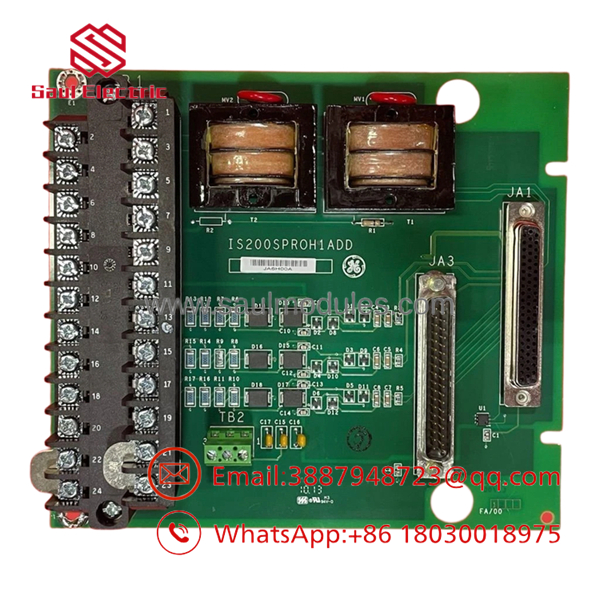
IS200SPROH1A
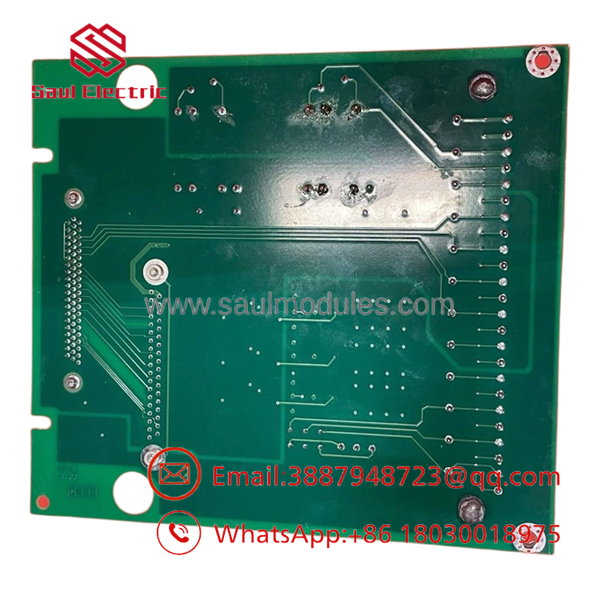
IS200SPROH1A
The Veteran’s Tech Trap Guide (Crucial Value-Add)
⚠️ 1. Check Jumper Settings Before Mounting
The uses hardware jumpers to configure the input circuit for passive magnetic pickups versus active proximity probes. If you drop a factory-default board into a cabinet wired for active probes without checking the jumpers, you’ll pin the input or get zero signal readouts. Take a high-res photo of the old board’s jumper layout before pulling it!
❗ 2. Terminal Block Torque Limits
The onboard barrier terminal strips are solid, but overtightening field wiring screws will crack the solder joints connecting the terminal block to the multi-layer PCB. Use a calibrated torque screwdriver set to maximum 0.5–0.6 Nm (4.4–5.3 in-lbs).
⚠️ 3. Do Not Hot-Swap Without Lockout Verification
While Mark VI system architecture allows hot-swapping under strict conditions, pulling an SPRO board live can drop the trip solenoids if your system isn’t running in a fully healthy TMR setup. If one of your other two channels is in a degraded state, pulling this board will trip the unit. Always verify system health on the HMIs first.
Frequently Asked Questions (FAQ for Conversion)
Q: Is the hot-swappable?
A: Yes, provided your Mark VI system is in a healthy TMR (Triple Modular Redundant) layout and the trip logic allows channel isolation. However, if your system is in Simplex mode or running with an existing fault on a parallel card, removing this board will immediately open the trip loop and drop the turbine.
Q: What is the difference between and earlier revisions?
A: The H1A suffix indicates the specific hardware artwork revision. Revision A includes updated component trace layouts and improved noise filtering on the speed input channels compared to older pre-alpha prototypes or initial pilot runs. Always match revision letters if your site standard demands identical physical board layouts.
Q: Can I use this board with both passive MPUs and active probes?
A: Yes. The board supports both passive magnetic pickups and active proximity transducers. Signal conditioning is selected using onboard hardware jumpers. Ensure these jumpers match your field instrument spec before applying power.
Q: Is this unit new or refurbished, and what warranty covers it?
A: This unit is supplied as New Surplus stock (factory sealed or unused open-box surplus). Every unit is backed by our full 12-month operational warranty. If it fails or throws a hardware fault code within one year, we replace it or refund it.
Q: Why is your price lower than buying directly through GE distributor networks?
A: We source surplus inventory directly from plant liquidations, cancelled capital project spares, and surplus system upgrades worldwide. You are buying genuine GE hardware without the OEM’s 16-week lead time or full retail markup.

 Start Chat


