




Description
Product Introduction & Engineering Value
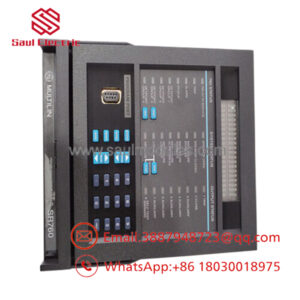
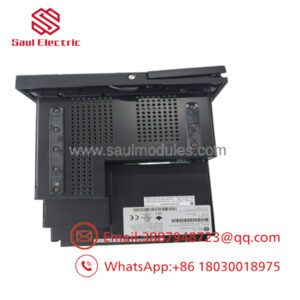
The TBCI is part of the field-interface layer rather than the main processor layer of the Mark VI system. It provides the physical connection between external control wiring and the control electronics, making terminal assignments and wiring configuration especially important during replacement.
A TBCI board should never be selected solely because it has the same general IS200 form factor. Confirm the board revision, terminal layout, associated I/O boards, and system configuration before moving field wiring.
Technical Specifications
| Parameter | Specification |
|---|---|
| Manufacturer | General Electric |
| Part Number | IS200TBCIH1B |
| Series | Mark VI |
| Functional Acronym | TBCI |
| Product Type | Terminal / I/O Interface Board |
| System Generation | Mark VI |
| Board Revision | B |
| Application | GE turbine control |
| Field Interface | Contact / relay-type I/O circuitry |
| PCB Family | IS200 |
| Installation Role | Mark VI terminal/interface layer |
Configuration note
The TBCI family is associated with contact input/output interfacing. Exact terminal assignments, channel counts, voltage compatibility, and wiring details should be confirmed against the GE documentation applicable to the IS200TBCIH1B installation.
Do not assume that every TBCI variant has identical terminal functions.
Field Application & the “Trench” Experience
A turbine maintenance team is replacing a terminal board during a planned outage. The original board has years of field wiring attached, and several wires have similar labels.
The technician does not begin by removing the wires. First, the complete IS200TBCIH1B identifier is photographed. Each terminal is documented, wire numbers are cross-checked against drawings, and the replacement board is compared physically with the original.
That procedure sounds slow. It isn’t. One incorrectly landed field wire can create a fault that looks like a failed controller, I/O board, or field device.
Specific application scenarios:
- Mark VI turbine contact-input interfaces
- Relay-status and permissive signal termination
- Turbine auxiliary-system field wiring
- Mark VI cabinet terminal-board replacement
- Planned turbine outage I/O maintenance
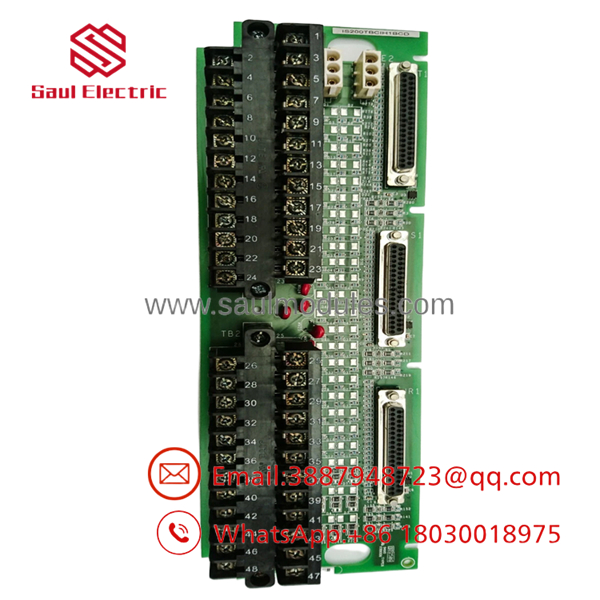
IS200TBCIH1B
Transparency SOP: QA & Testing
For IS200TBCIH1B, a practical QA sequence should be:
1. Verify the board identity
Confirm the complete part number and revision.
2. Inspect terminal hardware
Check terminal blocks, connectors, screws, clips, and PCB traces.
3. Inspect field-interface circuitry
Look for damaged components, corrosion, overheating, cracked solder joints, and contamination.
4. Verify electrical paths
Perform continuity and isolation checks according to the applicable Mark VI documentation.
5. Test representative channels
Apply appropriate controlled signals and verify correct terminal-to-interface behavior.
6. Check connector interfaces
Verify cable/header condition and contact integrity.
7. Perform system integration testing
Confirm the expected field signal status at the Mark VI controller.
8. Document QA
Record actual-unit photographs, test results, condition, traceability, and warranty.
For New Surplus, confirm unused status and whether the board has ever been energized. For Refurbished, ask specifically which I/O paths were tested.
The Veteran’s Tech Trap Guide
⚠️ Trap #1 — Wire identification is everything.
Do not rely on memory when moving field wiring. Photograph and document every terminal before disconnecting the original TBCI.
⚠️ Trap #2 — Terminal-board failures can look like field-device failures.
A bad connection, damaged terminal, or interface circuit can produce intermittent contact status even when the field device itself is healthy.
⚠️ Trap #3 — Don’t assume the terminal layout from another TBCI revision.
Always compare the exact IS200TBCIH1B documentation with the installed wiring.
PRO TIP: Before energizing a replacement, perform a point-by-point wire and terminal verification. For safety-related or trip-associated circuits, use the site’s approved loop-check procedure.
Dynamic FAQ
Q: What is the GE IS200TBCIH1B?
A: It is a GE Mark VI TBCI terminal/interface board used to connect field contact and relay-type signals with the Mark VI control system.
Q: Is the IS200TBCIH1B a processor board?
A: No. It functions at the field terminal/interface level, rather than serving as the primary Mark VI processor.
Q: Can another TBCI board replace it?
A: Not without verification. Confirm the complete part number, revision, terminal assignments, associated I/O hardware, and application wiring.
Q: What should I do before removing the existing board?
A: Photograph the board, terminal strips, connectors, and wire labels. Cross-check the wiring against the current Mark VI drawings before disconnecting anything.
Q: How can I verify New Surplus authenticity?
A: Request photographs of the actual , including its identification markings and terminal/interface areas, plus confirmation that it has never been installed or energized.
Q: What should I require for Refurbished stock and warranty?
A: Request terminal and connector inspection, electrical continuity/isolation testing, representative channel testing, actual-unit photographs, part-number traceability, and written warranty/DOA terms. A visual inspection alone does not establish terminal-board functionality.

 Start Chat


