





Description
Key Technical Specifications
| Parameter | Value |
|---|---|
| Manufacturer | GE |
| Model Number | IS200TSVOH1B |
| Series | Mark VI |
| Product Type | Servo termination board |
| Primary Function | Servo valve signal termination and feedback interface |
| Input Channels | 2 servo current sources |
| Feedback Support | LVDT / LVDR sensors |
| Supply Voltage | 24 V dc nominal |
| Signal Range | 0 to 7.0 V rms feedback, with pulse inputs reported at 2 to 14 kHz |
| Terminal Style | Barrier-type terminal blocks |
| Lifecycle Status | Legacy spare / obsolescence risk |
| Condition | New Surplus / New Original |
Product Introduction & Supply Chain Strategy
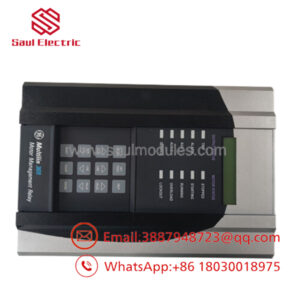
GE IS200TSVOH1B is a Mark VI servo termination board used in turbine control systems to handle servo valve interfaces and feedback signals. It supports the signal chain that drives steam or fuel valve control, so board integrity matters for stable operation and reliable response.
As a New Surplus spare, it makes sense from a TCO and availability standpoint for aging GE turbine assets. It lowers lead time variability, reduces stock-out exposure, and gives maintenance teams a practical buffer stock position while avoiding the risk profile of questionable source parts.
Installation & Configuration Guide
Stage 1: Pre-Installation
Apply lock-out/tag-out and verify the cabinet is de-energized. Use an ESD strap, insulated tools, a camera, and labels for every wire you disconnect. Record the original terminal layout, jumper positions, and any board or cable identifiers before removal.
Stage 2: Removal
Disconnect wiring carefully and keep channel order documented. Remove the board straight out to avoid stressing the backplane connector or nearby boards. Inspect the cabinet for dust, corrosion, loose hardware, or heat damage before installing the replacement.
Stage 3: Installation
Install the replacement in the same slot and transfer each wire exactly as documented. Match jumper settings and any connector routing to the original board. Confirm that all terminal screws are tight and that shield and ground connections are intact.
Stage 4: Power-On & Testing
Before energizing, check the supply rails for shorts and confirm the cabinet power is stable. Power up and verify board status, servo feedback, and valve response. Validate each control loop carefully before returning the turbine or process equipment to service.
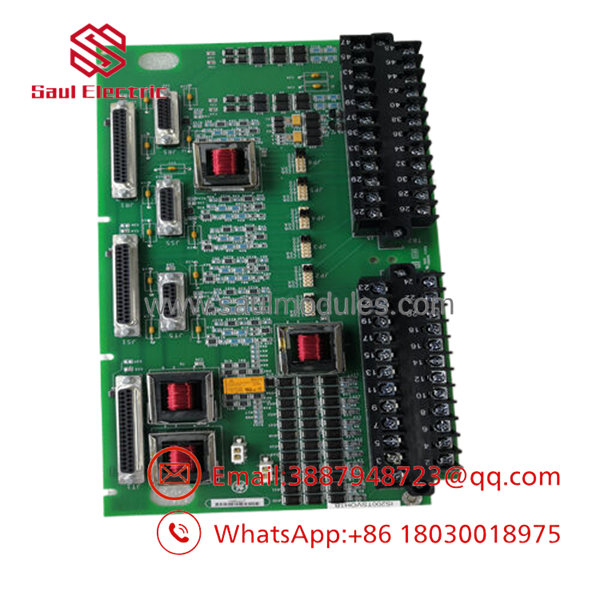
- IS200TSVOH1B
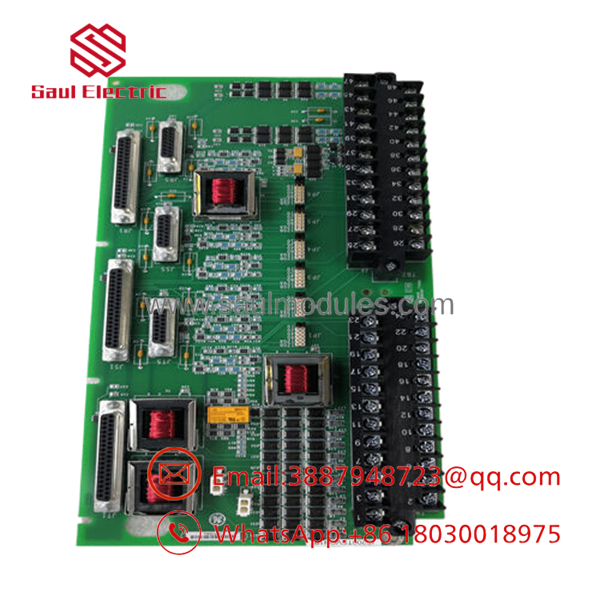
- IS200TSVOH1B
Firmware/Software Versions & Upgrade Notes
This is primarily a hardware termination board, so firmware is usually not the main compatibility concern. The important items are cabinet revision, jumper configuration, feedback sensor type, and the control logic that interprets the servo channels.
Do not mix a board swap with unrelated software changes. If the installed system depends on specific tuning or channel mapping, preserve that configuration and verify it after replacement.
Frequently Asked Questions
Is this really New Surplus? Yes. The correct sourcing position is New Surplus / New Original, meaning genuine OEM inventory rather than a rebuilt or repaired unit.
Why is it cheaper than OEM new but higher than low-end listings? New Surplus typically comes from excess inventory. It preserves original condition and lower lifecycle risk while avoiding full OEM list pricing.
Is IS200TSVOH1B obsolete? Treat it as a legacy Mark VI spare with lifecycle risk. For critical turbine assets, keep buffer stock and plan for last-time-buy coverage.
Can I hot-swap it? Do not assume hot-swap capability. Servo termination boards should be isolated before service to avoid signal faults and equipment trips.
Will the settings transfer automatically? No. You need to duplicate wiring, jumper settings, and feedback configuration exactly. Photos and wire labels matter.
What warranty should I expect? New Surplus industrial spares typically carry limited supplier warranty coverage, often 1 year depending on source and contract terms. Confirm the exact warranty before purchase.

 Start Chat


