





Description
Product Introduction
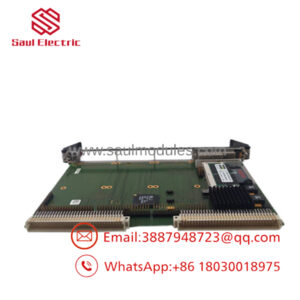
The GE IS200WEORG (WEOR) is a specialized output control board engineered for GE Mark VIe control architectures deployed in utility-scale wind turbine installations. It acts as an execution link between central processing units and high-power pitch drives, yaw systems, and grid-synchronization contactors, translating control commands into field-level execution.
In contrast to standard gas or steam turbine Mark VIe I/O boards, the WEOR board incorporates heavy-duty filtering, localized power dissipation resistors, and onboard line fuses designed to handle the harsh electrical noise and mechanical vibration environments common to wind nacelles. By routing output execution through dedicated onboard fuse channels, it prevents upstream control rack damage during sudden grid drops or localized short circuits.
Key Technical Specifications
| Parameter | Specification / Value |
| Manufacturer | General Electric (GE Energy) |
| Part Number | IS200WEORG (e.g., Revision IS200WEORG1ACD) |
| Functional Acronym | WEOR |
| Control Platform | GE Mark VIe / Speedtronic Series |
| Onboard Protection | 5 x 600V, 5A Replaceable Fuses (FU1 to FU5) |
| Energy Storage / Filtering | High-temp Nichicon 270µF 150°C Electrolytic Capacitors |
| Current Limiting | Dale CW-10 high-power wirewound resistors |
| I/O Interface | 8 x Multi-pin female output connection ports |
| Board Coating | Heavy-duty industrial PCB coating (Normal / Semi-Conformal) |
| Mounting Configuration | 5 Factory-drilled grounding/mounting holes |
Application Scenarios & The “Trench” Experience
Imagine receiving a Supervisory Control and Data Acquisition (SCADA) fault code at 3:00 AM on an offshore wind farm. Turbine #14 has locked out on a pitch control output failure during a high-wind event. You climb the nacelle, pull the cabinet cover, and smell cooked resin. A grid surge blew through the output line, frying the onboard power resistors and popping multiple fuses on the WEOR board. The turbine is freewheeling, locked out of generation mode, costing hundreds of dollars per hour in idle capacity. Having a pre-inspected IS200WEORG on hand means popping the harness connectors, sliding in the replacement board, and having the turbine re-synced to the grid before morning peak demand.
- Utility-Scale Onshore Wind Turbines – Direct output driver interface for pitch motors and brake control actuators. Required because of its high-noise rejection and localized fuse protection.
- Offshore Wind Converter Units – Switching control for auxiliary cooling pumps and nacelle environmental systems. Required to withstand continuous thermal cycles and vibration.
- Repowering & Substation Upgrades – Retrofitting older Mark VI/VIe turbine control cabinets with modern replacement driver boards without rewiring field junction boxes.
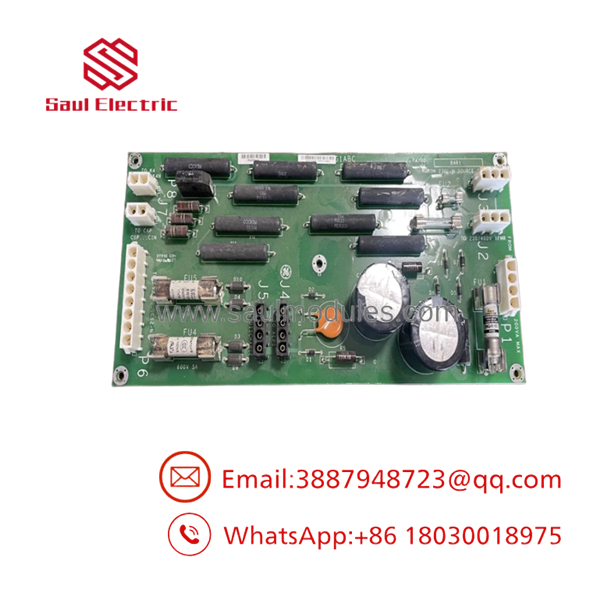
IS200WEORG
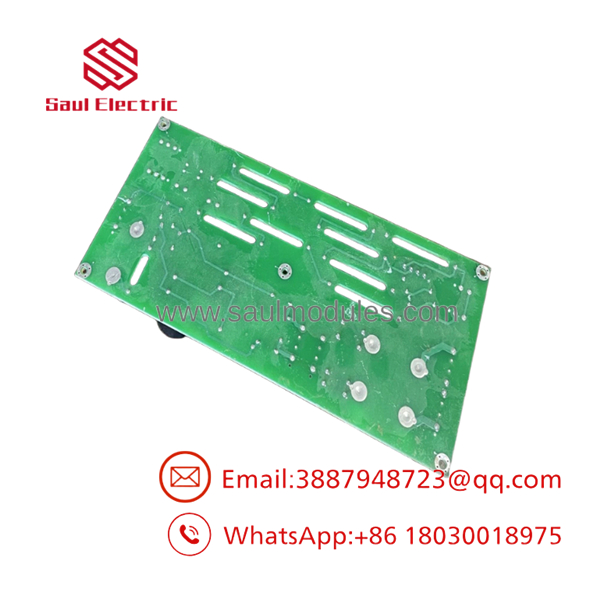
IS200WEORG
Transparency SOP: Quality Assurance & Testing
We don’t just ship boxes; we test them on actual GE Mark VIe test rigs before they ever go near a crate.
- Inbound & Component Verification: Visual inspection under magnification for damaged Dale power resistors, cracked ceramic capacitors, or blown trace pathways. Serial match and OEM board mark checking performed.
- Electrical Isolation & Continuity Check: Fuse socket integrity testing across FU1 through FU5 using precision multi-meters. Insulation testing to confirm no shorted grounds across the 5 mounting points.
- Power-On & Rail Load Testing: Board powered up on a live Mark VIe simulator rack. Electrolytic capacitors checked for proper ESR (Equivalent Series Resistance) and thermal buildup.
- Output Relay / Port Handshake Test: Signal injection to verify all 8 output ports cleanly pass switching commands without voltage sag or stuck contacts.
- Anti-Static Sealing & Safe Shipping: Board undergoes ESD discharge, is vacuum-sealed in moisture-barrier anti-static bags with fresh desiccant, and packaged in high-density custom foam.
The Veteran’s Tech Trap Guide (Crucial Value-Add)
- ⚠️ Check the Dale CW-10 Resistors Before Powering Up!
The large wirewound power resistors on the WEOR board handle high thermal stresses. In our field experience, if a board fails, it’s often because an external solenoid shorted and baked these resistors. Always use an ohmmeter to verify that resistance matches factory specs across all 9 onboard power resistors before applying supply voltage.
- ❗ Never Replace Fuses with Higher Amp Ratings
The board uses specific 600V 5A fast-acting fuses (FU1-FU5). If you keep popping FU2 or FU3, do not slap a 10A or 15A fuse in there to “buy time.” You will burn out the PCB traces or fry the upstream controller output driver card. Find the shorted field load first.
- ⚠️ Mind the Jumper Positions (J1-J5)
The IS200WEORG features 5 hardware configuration jumpers. These jumpers dictate output voltage sourcing and ground reference loops. Take a clear photograph of the original dead board’s jumper settings before pulling it off the DIN rail/mounting posts. Match the new board’s jumpers pin-for-pin.
- ❗ Grounding Screws Are Part of the Circuit
The 5 factory-drilled mounting holes are not just for mechanical support; they provide critical ground pathways for transient suppression. Ensure all mounting standoffs are clean, corrosion-free, and torqued down snugly to avoid floating ground faults in high-EMI nacelle environments.
Frequently Asked Questions (FAQ for Conversion)
Q: What is the main difference between IS200WEORG and standard Mark VIe I/O boards?
A: The WEOR board is custom-tailored for wind turbine applications (WEOR = Wind Turbine Control Board). It includes heavier passive components (power resistors, 600V fuses) designed to absorb inductive spikes from turbine contactors and pitch systems that standard industrial process I/O boards aren’t built to handle.
Q: Are the fuses on the IS200WEORG easily replaceable in the field?
A: Yes. Fuses FU1 through FU5 sit in open fuse blocks on the face of the board. They accept standard 600V 5A industrial fuses that slide directly out without needing desoldering equipment.
Q: Can I swap an IS200WEORG1ACD revision for an older 1A or 1B revision?
A: Generally yes, as artwork revisions (represented by the trailing letters like “CD”) usually reflect manufacturing updates or component vendor substitutions. However, verify that jumper settings and physical connector positioning match your cabinet harness layout before powering up.
Q: Does this board require software configuration in ControlST / ToolboxST?
A: The WEOR board acts primarily as an output driver/interface card. While the central Mark VIe controller manages the logic, you must ensure the hardware definition in your ToolboxST file recognizes the correct board revision to avoid hardware mismatch alarms.
Q: Is this board genuine GE or an aftermarket copy?
A: We supply 100% genuine OEM GE hardware sourced from surplus, plant liquidations, and certified spares. We do not deal in fake or third-party cloned boards. Every card undergoes rigorous testing on actual GE test benches prior to shipment.

 Start Chat


