





Description
Key Technical Specifications
| Parameter | Value |
|---|---|
| Manufacturer | GE Energy |
| Model Number | IS215WETAH1A |
| Product Type | Top Box A Module Board |
| Functional Acronym | WETA |
| Platform | Mark VIe Wind Turbine Control System |
| Assembly Type | IS215 Special Assembly |
| PCB Protection | Conformal coating |
| Functional Revision | A |
| Hardware Group | H1 |
| Installation Location | Wind turbine Top Box assembly |
| Primary Function | Top Box interface and control electronics |
| Application | GE utility-scale wind turbines |
| Environmental Design | Industrial PCB for harsh outdoor turbine environments |
Product Introduction
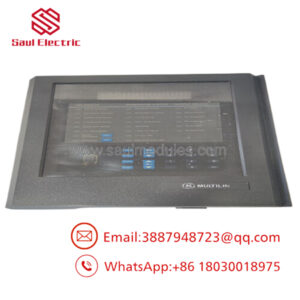
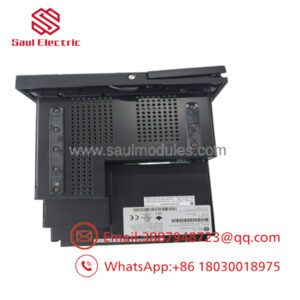
The GE IS215WETAH1A is a Top Box A Module Board (WETA) developed for the GE Mark VIe Wind Turbine Control System. It is installed within the wind turbine top box assembly and forms part of the electronic control architecture responsible for communication and subsystem coordination inside the turbine.
Like many specialized Mark VIe Wind boards, publicly available OEM documentation is limited. The board features a conformal-coated PCB for protection against moisture, dust, condensation, and airborne contaminants commonly found inside wind turbine nacelles. Before replacing the board, verify the complete part number, hardware grouping, and cabinet configuration to ensure compatibility.
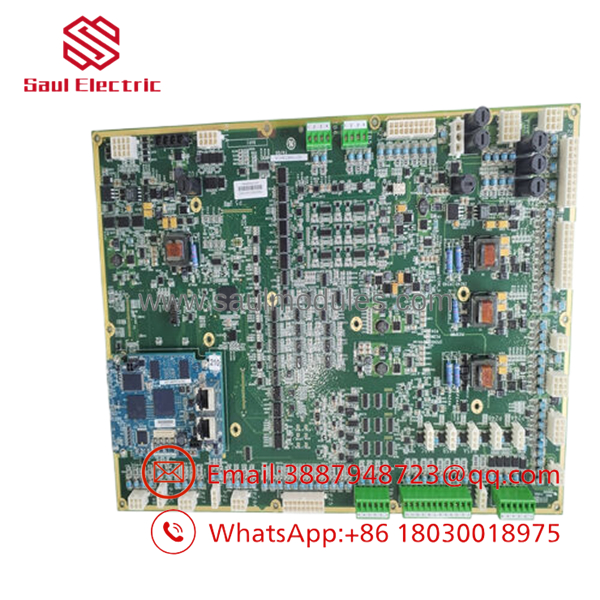
- IS215WETAH1A
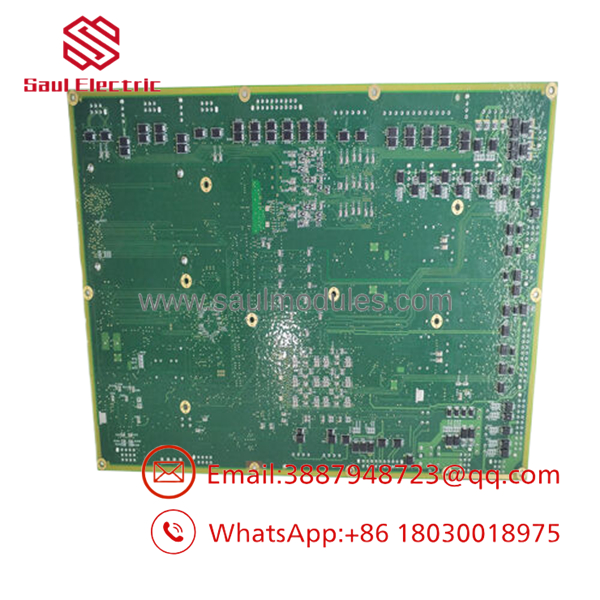
- IS215WETAH1A
Troubleshooting Quick Reference
| Symptom | Possible Cause | Relevance to this Part | Quick Check Method | Recommendation |
|---|---|---|---|---|
| Board not detected during startup | Loose backplane connector | ✅ High | Remove and reseat the board, inspect connector pins | Verify connector engagement before replacement |
| Multiple subsystem communication alarms | Top Box communication fault | ✅ High | Review Mark VIe diagnostic logs | Confirm network and controller health first |
| Intermittent controller operation | Oxidized edge connector | ✅ Medium | Inspect and clean PCB edge contacts | Reinstall and retest |
| Wind turbine subsystem unavailable | Incorrect replacement revision | ✅ High | Verify complete model number and revision | Install the correct board revision |
| Random controller resets | Cabinet power instability | ❌ Low | Measure control supply under operating load | Repair power supply before replacing hardware |
| Burned or discolored components | Electrical surge or overvoltage | ✅ High | Perform a detailed visual inspection | Replace the board after identifying the surge source |
| Moisture inside enclosure | Environmental contamination | ❌ Low | Inspect cabinet seals and humidity indicators | Correct environmental issues before installation |
Technical Note: Most suspected WETA board failures are ultimately traced to connector oxidation, unstable cabinet power, communication faults, or moisture ingress rather than a defective IS215WETAH1A. Verify these conditions before replacing the module.
Frequently Asked Questions (FAQ)
Q1. What is the IS215WETAH1A used for?
The is a Top Box A Module Board (WETA) used in the GE Mark VIe Wind Turbine Control System. It operates as part of the turbine’s top box electronics and supports communication and control functions within the wind turbine.
Q2. What does “WETA” mean?
WETA is the functional acronym assigned by GE for this Top Box A Module Board, making it easier to identify within the Mark VIe Wind product family.
Q3. Can I replace this board without changing software?
In most cases, yes.
However, verify the hardware revision, cabinet configuration, and connector locations before startup. A mismatched hardware revision can create communication or initialization faults.
Q4. Why does the PCB use conformal coating?
The conformal coating protects electronic components against humidity, condensation, dust, salt contamination, and vibration commonly encountered inside wind turbine nacelles.
Q5. Why is New Surplus inventory less expensive than factory inventory?
Most New Surplus boards originate from canceled wind farm projects, OEM spare inventories, or unused maintenance stock. They have not been installed in production equipment but are no longer part of regular factory manufacturing.
Q6. What should I verify before ordering?
Verify:
- Exact model number ()
- Hardware revision
- H1 hardware group
- Mark VIe Wind compatibility
- Top Box configuration
- Connector condition
- Existing cabinet installation
Recording these details before ordering helps prevent installation delays.
Q7. What warranty is typically available?
Most industrial automation suppliers offer a 12-month warranty on verified New Surplus or professionally tested boards. Request serial-number photographs, inspection documentation, and functional test reports before shipment.
Quality Inspection & Testing SOP
1. Inbound Inspection & Traceability
- Verify OEM labels, serial numbers, and hardware revision.
- Inspect the conformal coating for scratches, peeling, contamination, or discoloration.
- Examine all connectors for bent pins, corrosion, and mechanical damage.
- Verify board traceability documentation.
- Record serial numbers before testing.
2. Live Functional Testing
- Install the board in an in-house GE Mark VIe Wind test cabinet.
- Verify successful initialization during controller startup.
- Confirm communication with associated controller assemblies.
- Inspect connector integrity and signal transmission.
- Perform continuous operation for more than 24 hours while monitoring stability and operating temperature.
- Generate a documented functional test report.
- Test photos and videos are available upon request.
3. Electrical Parameter Testing
- Perform insulation resistance testing where applicable using a 500 V Megger.
- Verify chassis ground continuity.
- Measure operating voltages with a calibrated Fluke 115 digital multimeter.
- Verify communication signal integrity throughout testing.
4. Firmware & Configuration Verification
- Verify hardware revision.
- Record all identification labels.
- Photograph connector locations before shipment.
- Document the tested hardware configuration.
5. Final QC & Packaging
- Final QC approval by the inspection engineer.
- Seal the board in an ESD-safe bag.
- Protect with anti-static foam, bubble wrap, and a heavy-duty corrugated shipping carton.
- Apply a dated QC Passed label.
Technical Pitfalls & Survival Guide
❗ Match the Complete Part Number
I’ve seen technicians install an IS215WETAH1B into a cabinet originally fitted with an because the boards looked nearly identical.
Always verify the complete suffix before installation. Similar hardware does not always provide identical functionality.
❗ Label Every Connector
The Top Box assembly contains several similar cable connections.
Take detailed photos before disconnecting the original board. One misplaced connector can generate multiple subsystem alarms that resemble a failed PCB.
❗ Inspect the Conformal Coating
The protective coating is designed for harsh wind turbine environments, but scratches or damaged coating around connector areas can eventually allow moisture intrusion.
Inspect the coating carefully before reinstalling the board.
❗ Verify Cabinet Power First
Many suspected board failures are actually caused by unstable control power or poor backplane connections.
Measure cabinet voltages while the controller is operating, not only during shutdown.
❗ Electrostatic Discharge (ESD)
Always wear a grounded wrist strap.
I once watched a technician install a replacement Top Box board directly from its packaging during a dry winter maintenance outage. The turbine started normally, but intermittent communication faults appeared several weeks later. Static damage often weakens electronic components without causing immediate failure.
Keep these checks in mind and you’ll eliminate most Mark VIe Wind commissioning problems, avoid unnecessary board replacements, and reduce turbine downtime.

 Start Chat


