





Description
Key Technical Specifications
| Parameter | Value |
|---|---|
| Manufacturer | GE (General Electric) |
| Model | IS220PDIOH1B |
| Product Type | Discrete Input/Output (I/O) Pack |
| Series | Mark VIe / Mark VIeS |
| Digital Inputs | 24 contact inputs |
| Relay Outputs | 12 Form-C relay outputs |
| Input Isolation | Optical isolation to 1,500 V (group isolation) |
| Input Filter | 4 ms hardware filter |
| Response Time | Typical 4 ms from Ethernet command to output |
| Communication | Dual 10/100 Mbps Ethernet ports |
| Operating Voltage | 28.0 V DC nominal (27.4–28.6 V DC) |
| Maximum Supply Current | 0.81 A |
| Operating Temperature | -40 °C to +70 °C (H1B version) |
| Compatible Terminal Boards | IS200TDBSH2A, IS200TDBSH8A, IS200TDBTH2A, IS200TDBTH8A |
| Typical Applications | Gas turbines, steam turbines, power generation, process automation |
The IS220PDIOH1B is a Mark VIe Discrete I/O Pack equipped with an onboard processor, dual Ethernet interfaces, and integrated diagnostics. It supports simplex, dual, and Triple Modular Redundancy (TMR) architectures depending on the system configuration.
Product Introduction
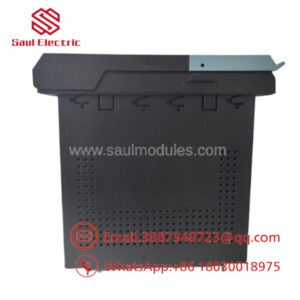
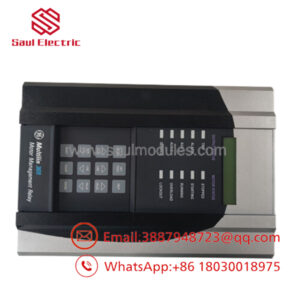
The GE IS220PDIOH1B is a Discrete Input/Output (I/O) Pack designed for the GE Mark VIe and Mark VIeS control platforms. It processes field contact inputs and relay outputs while communicating with the controller through dual Ethernet interfaces. The module integrates a local processor and data acquisition circuitry to support deterministic control in critical industrial applications.
Supporting 24 digital inputs, 12 Form-C relay outputs, and hazardous-area approved terminal board combinations, the IS220PDIOH1B is widely installed in gas turbine, steam turbine, compressor, and balance-of-plant control systems where dependable discrete I/O performance and system redundancy are required.
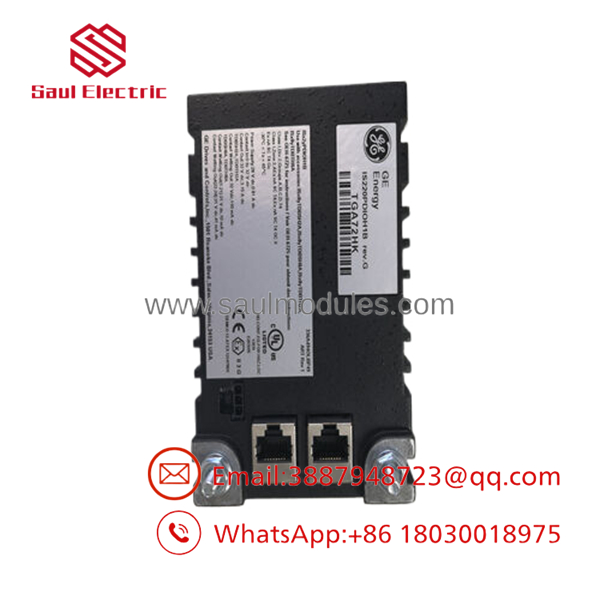
- IS220PDIOH1B
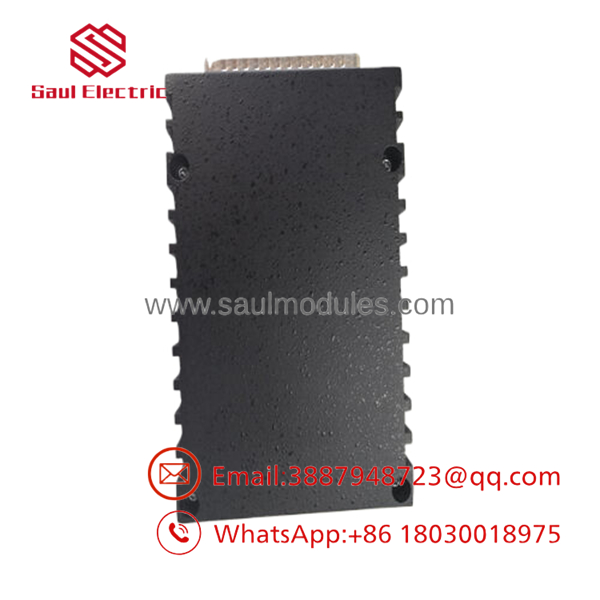
- IS220PDIOH1B
Troubleshooting Quick Reference
| Symptom | Possible Cause | Relevance to this Part | Quick Check Method | Recommendation |
|---|---|---|---|---|
| Power LED remains off | Missing 28 V DC supply | ✅ High | Measure input voltage at the I/O Pack power connector | Verify power supply before replacing the module |
| Ethernet LEDs off | Network cable or switch fault | ✅ High | Check both Ethernet ports and switch link status | Replace cable or verify network configuration |
| Multiple digital inputs inactive | Wetting voltage loss or field wiring issue | ✅ High | Measure contact wetting voltage at the terminal board | Restore field voltage before replacing hardware |
| Relay outputs fail to operate | Relay circuit or fuse fault | ✅ High | Measure relay output voltage and inspect fuse status | Verify relay wiring and fuse integrity |
| Controller reports I/O communication fault | Ethernet configuration or terminal board mismatch | ✅ High | Review controller diagnostics and verify terminal board ID | Confirm hardware compatibility and network settings |
| Intermittent input changes | Electrical noise or poor grounding | ⚠️ Medium | Inspect cable shielding and cabinet grounding | Improve grounding and reroute field cables |
Field Tip: Most PDIO faults originate from field wiring, wetting voltage loss, blown relay fuses, or Ethernet communication problems rather than a failed I/O Pack. Before replacing the , record controller diagnostics, inspect the terminal board ID, verify the supply voltage, and confirm Ethernet link status. These checks frequently identify the actual source of the problem.
Frequently Asked Questions (FAQ)
Q1. What is the primary function of the ?
The is a Discrete I/O Pack that interfaces field contact inputs and relay outputs with the GE Mark VIe or Mark VIeS controller through a high-speed Ethernet network. It includes a local processor and onboard diagnostics for reliable industrial control.
Q2. How many I/O channels does this module support?
The module provides 24 discrete contact inputs and 12 Form-C relay outputs, with optical isolation on the input channels and integrated relay monitoring.
Q3. Which terminal boards are compatible?
The is designed to operate with IS200TDBSH2A, IS200TDBSH8A, IS200TDBTH2A, and IS200TDBTH8A terminal boards, depending on the application and hazardous-area requirements.
Q4. Does the module support redundant control systems?
Yes. The supports simplex, dual, and Triple Modular Redundancy (TMR) system architectures when installed in compatible Mark VIe configurations.
Q5. Is this product supplied as new or refurbished?
This listing refers to New Original (New Surplus) inventory unless otherwise specified. Each module should complete serial number verification, visual inspection, communication testing, functional I/O testing, and ESD-safe packaging before shipment.
Q6. What inspections should be completed before shipment?
A recommended quality inspection includes:
- OEM part number and serial number verification
- Anti-counterfeit and traceability inspection
- Visual inspection for corrosion, rework, or damaged connectors
- Power-on verification
- Ethernet communication testing
- Digital input simulation
- Relay output functional testing
- Final anti-static packaging with QC documentation
Test reports and inspection photographs should be available upon request.
Q7. What is the most common installation mistake?
The most common issue is installing the I/O Pack with an incompatible terminal board or overlooking the required contact wetting voltage. Before replacing the original unit, document the controller configuration, verify the terminal board part number, label every field connection, and inspect the Ethernet network. These simple precautions significantly reduce commissioning time and prevent unnecessary troubleshooting.

 Start Chat


