





Description
Key Technical Specifications
| Parameter | Value |
|---|---|
| Manufacturer | GE Multilin |
| Model | MMII-PD-1-2-120 |
| Product Family | Motor Manager II (MMII/MM2) |
| Product Type | Intelligent Motor Protection & Control Relay |
| Mounting | Panel Mount with LCD Display |
| Control Voltage | 120 V AC, 50/60 Hz |
| Communication | RS-485 Modbus RTU |
| Configuration Software | EnerVista MMII |
| Analog Input | 4–20 mA |
| Communication Speed | 1,200–19,200 bps |
| Operating Temperature | 0 °C to 60 °C |
| Protection Functions | Thermal overload, phase loss, phase imbalance, ground fault, stall, jam, undervoltage, power monitoring, thermistor protection |
| Dimensions | Approximately 7.4 × 4.4 × 5 in (188 × 112 × 127 mm) |
| Weight | Approximately 3 lb (1.36 kg) |
Product Introduction & Supply Chain Strategy
The GE Multilin MMII-PD-1-2-120 is an intelligent Motor Manager II relay designed for motor protection, monitoring, diagnostics, and control in industrial motor control centers. It combines protective relaying, programmable logic, event recording, and Modbus communication into a single panel-mounted unit suitable for pumps, compressors, fans, conveyors, and other critical rotating equipment.
For inventory management, this model has reached the mature phase of its lifecycle and is increasingly difficult to source through OEM channels. Maintaining New Surplus inventory lowers Total Cost of Ownership (TCO), minimizes lead time variability, reduces emergency procurement costs, and avoids the reliability risks associated with refurbished hardware. Critical production facilities should maintain 1–2 units of on-site buffer stock and evaluate a last-time-buy strategy before remaining inventories decline further.
Installation & Configuration Guide
Stage 1 – Pre-Installation (Preparation & Safety)
- Perform complete Lock-Out/Tag-Out (LOTO).
- Verify the control voltage is isolated.
- Wear an ESD wrist strap.
- Photograph:
- Wiring terminals
- DIP switch positions
- Communication settings
- Relay assignments
- Back up all relay settings using EnerVista MMII software.
Stage 2 – Removal
- Disconnect field wiring.
- Label every cable.
- Release mounting hardware carefully.
- Remove the relay without twisting the connectors.
- Inspect the panel connector for bent pins or corrosion.
Stage 3 – Installation
- Verify the replacement model matches MMII-PD-1-2-120.
- Duplicate all DIP switch and communication settings.
- Install the relay firmly into the mounting location.
- Reconnect all field wiring according to the original terminal layout.
- Verify proper grounding before energizing.
Stage 4 – Power-On & Testing
- Verify the 120 V AC supply.
- Confirm RUN and status LEDs indicate normal operation.
- Test communication through RS-485 Modbus.
- Verify all protection functions.
- Perform trip simulation and confirm event logging before returning the motor to service.
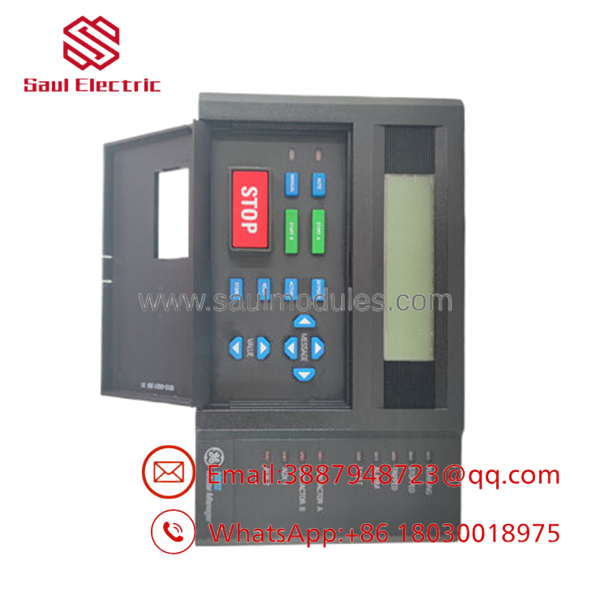
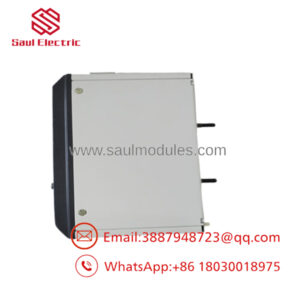
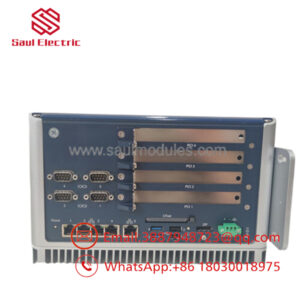
- MMII-PD-1-2-120
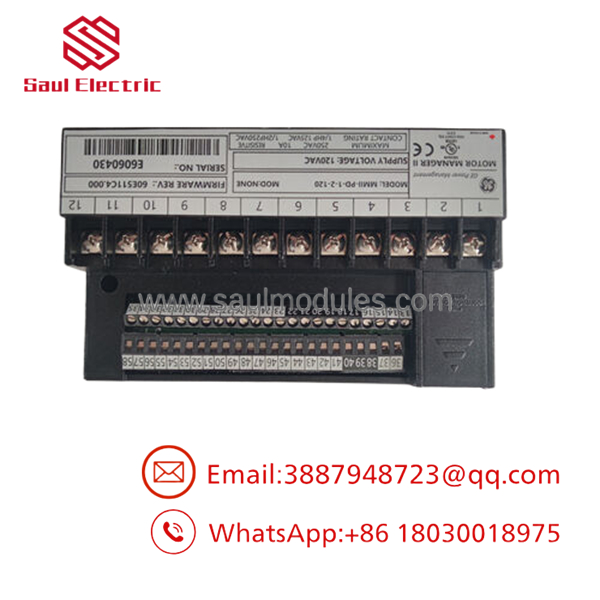
- MMII-PD-1-2-120
Firmware/Software Versions & Upgrade Notes
- Recommended Configuration Software: GE EnerVista MMII.
- Record the firmware revision from the original relay before replacement.
- Use the same firmware revision whenever possible to avoid unexpected protection or communication behavior.
- Verify Modbus register mapping after firmware changes.
- Check programmable logic, relay assignments, and protection settings following any firmware update.
- Avoid firmware downgrades unless required by an existing control system, since configuration compatibility may differ between revisions.
Frequently Asked Questions (FAQ)
Q1. Is this a New Original product?
Yes. This offering refers to a New Original / New Surplus unit. It is not used, repaired, or refurbished. Each unit should undergo serial number verification, electrical inspection, and functional quality checks before shipment.
Q2. Why is New Surplus priced below OEM but above refurbished units?
New Surplus inventory comes from unused industrial stock and retains original manufacturing quality. Although it may cost more than refurbished equipment, it significantly reduces the risk of unexpected failures, production downtime, and maintenance expenses.
Q3. Is the MMII-PD-1-2-120 obsolete?
Yes. The Motor Manager II family has largely been superseded by newer GE Multilin motor protection platforms, making genuine inventory increasingly limited. Plants operating these relays should plan strategic buffer stock and vendor consolidation.
Q4. Can the relay be hot-swapped?
No. Always isolate control power and motor circuits before replacing the relay. Hot swapping may damage the relay, communication network, or motor starter components.
Q5. Will the relay retain programming?
Configuration can be restored if settings have been backed up with EnerVista MMII. Without a backup, protection parameters and communication settings must be manually reconfigured.
Q6. What warranty is appropriate for New Surplus inventory?
A professional industrial supplier typically provides a 12 month warranty, comprehensive incoming inspection, electrical testing, and secure ESD packaging before shipment.
Q7. What inventory strategy is recommended?
For production-critical motor control centers, maintain 1–2 New Surplus units as insurance against unexpected failures. Due to declining market availability, organizations should monitor lead time variability, evaluate last-time-buy opportunities, and implement vendor consolidation to reduce long-term procurement risk.

 Start Chat


