





Description
Product Introduction
The GE Multilin 469 is a microprocessor-based motor management relay engineered to protect, monitor, and control medium-to-large three-phase AC motors. Built by GE Grid Solutions for tough industrial environments, this unit runs protection duties on everything from heavy pump drives to large crusher motors in power plants, mines, and refineries.
Unlike basic overload relays, the Multilin 469 integrates a dynamic thermal model that continuously tracks stator and rotor heating, RTD temperature inputs, and current unbalance. This accurate thermal tracking prevents nuisance trips during heavy starts while protecting insulation from thermal breakdown. It acts as a primary line of defense in critical process loops.
Key Technical Specifications
| Parameter | Specification |
| Manufacturer | GE Grid Solutions / Multilin |
| Base Part Series | Multilin 469 |
| Input Control Power (HI) | 90-300 VDC or 70-265 VAC (50/60 Hz) |
| Input Control Power (LO) | 20-60 VDC or 20-48 VAC |
| Phase Current Inputs | 1A or 5A secondary (field/model configurable) |
| CT Primary Rating | 1 to 5000 A |
| RTD Inputs | 12 channels (100 Ohm Pt, 10 Ohm Cu, 120 Ohm Ni, 100 Ohm Ni) |
| Digital Inputs | 9 configurable switch inputs |
| Output Relays | 4 Form-C (control) + 4 Form-A (trip/alarm) |
| Analog Outputs | 4 programmable 0-20 mA or 4-20 mA outputs |
| Communication Protocols | Modbus RTU (RS485/RS232), optional Modbus TCP Ethernet |
| Mounting Format | Drawout case (1/2 19-inch rack format) |
Application Scenarios & The “Trench” Experience
At 2:15 AM on a muggy July night, a main feedwater pump trips at a paper mill, killing steam pressure across the facility. The culprit isn’t a burned-out motor winding; it’s a legacy motor relay with corrupted internal EEPROM logic. Every minute the pump sits idle costs $12,000 in lost production. Getting a drop-in replacement back on the backplane is the only thing standing between a quick restart and a multi-million-dollar outage.
Primary Industrial Applications
- Mining & Aggregates – SAG Mill & Crusher Motor Protection – Requires real-time mechanical jam detection and custom thermal acceleration modeling under harsh vibration.
- Oil & Gas – High-Pressure Injection Pump Drives – Mandates continuous 12-channel RTD monitoring to prevent catastrophic bearing failure in hazardous locations.
- Power Generation – Boiler Feed Pump Motors – Needs rapid trip response for current unbalance and stall conditions during fast ramp-ups.
- Chemical Processing – Heavy Gas Compressors – Relies on RTD thermal bias and voltage/frequency monitoring to safeguard high-inertia starts.
Field Case Study
During an emergency downtime event at a Texas refinery, an older 469 unit suffered a power supply failure on a 4,160V cooling tower pump drive. OEM lead time for a modern replacement platform required panel retrofits taking three weeks. By dropping a pre-tested surplus 469 into the existing drawout case, the plant electrical team completed the swap in 45 minutes without pulling wires. The pump returned to service before the next shift change.
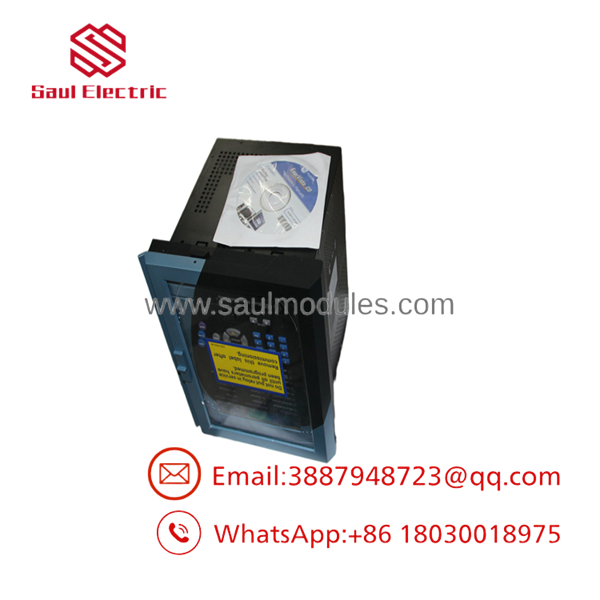
469
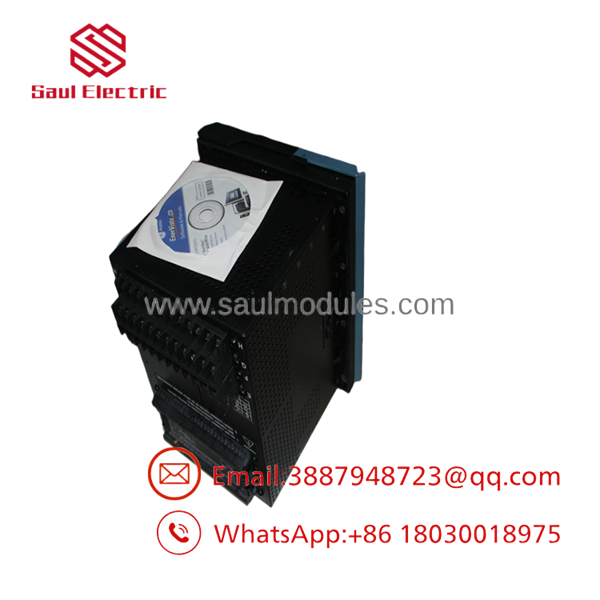
469
Transparency SOP: Quality Assurance & Testing
We don’t just ship boxes; we test them on actual GE Multilin test benches. Here is our exact quality assurance pipeline:
- Inbound Physical Inspection: Verification of OEM labels, terminal strip health, faceplate display, and drawout rack locking mechanisms to filter out physically stressed chassis.
- Live Rig Power & Display Test: Insertion into a powered chassis to verify internal power supply rails, boot logic, front panel LCD pixels, and LED diagnostic status.
- Electrical & Analog Injection Checks: Secondary current and voltage injection across phase/ground inputs using a secondary injection test set. We verify pickup accuracies, trip curve timing, and 4-20mA analog output tracking.
- Firmware Verification & Port Audits: Full communication handshake testing across RS485 and RS232 ports via EnerVista 469 Setup software, noting exact firmware revisions (e.g., v4.0x or v5.2x).
- Final QC & Anti-Static Packaging: Clearing diagnostic logs, resetting parameters to factory defaults, and sealing the drawout unit in ESD shielding wrap with custom foam boxing.
The Veteran’s Tech Trap Guide (Crucial Value-Add)
⚠️ Trap 1: Firmware Revisions Will Bite You.
When swapping a 469 relay, verify the firmware build of your replacement using EnerVista software before loading your .469 configuration file. If your original unit ran firmware v2.60 and the replacement is on v5.20, directly pushing the old file can corrupt settings or fail the handshake. Always convert the configuration file in the software first.
❗ Trap 2: Mind the Control Power Code.
Check the exact order code suffix on the side label! The “HI” option expects 90-300 VDC or 70-265 VAC, while the “LO” version requires 20-60 VDC or 20-48 VAC. Wiring station 125VDC auxiliary power into a “LO” power supply will instantly destroy the internal MOV surge suppressor and main power board.
⚠️ Trap 3: Ground CT Secondary Ratio Setup.
Don’t assume the ground fault input is set for a standard 5A CT. Many 469 installations use a 50:0.025 (HCT) zero-sequence CT for sensitive ground fault protection. Connecting a standard 5A CT to a port configured for 50:0.025 will cause immediate false trips or miss real ground faults completely.
❗ Trap 4: Drawout Case Terminal Finger Inspection.
Before sliding the replacement relay into the chassis, inspect the rear drawout finger contacts inside the cabinet. Dust, oxidation, or bent spring fingers on the cabinet backplane cause intermittent RTD fault alarms and dropped RS485 comms. Spray contacts with quick-drying electrical cleaner before racking in.
Frequently Asked Questions (FAQ for Conversion)
Q: Can I hot-swap the GE Multilin 469 module while the motor is running?
A: No. While the 469 features a drawout case design, pulling the relay mechanism while the motor is energized defeats your protection scheme. If the internal shorting switches fail or wear out, you also risk open-circuiting active CT secondaries. Always trip or isolate the feeder breaker before pulling the relay module.
Q: Can I flash older firmware onto a newer hardware revision?
A: No, hardware revisions dictate minimum firmware thresholds. Installing older firmware onto newer mainboard layouts can brick the unit or disable RTD sampling channels. Always check GE’s revision matrix before attempting a firmware downgrade.
Q: What is the main difference between older 469 units and later firmware builds?
A: Hardware remains backward-compatible across the drawout chassis, but later builds (v4.0 and above) added enhanced event logging, expanded Modbus register maps, and support for Modbus TCP ethernet cards.
Q: Why are your new surplus and refurbished units priced below direct OEM distributor rates?
A: We source unused excess inventory directly from canceled infrastructure capital projects, plant retrofits, and surplus facility liquidations. You get original equipment without paying standard distributor markups or waiting 16-24 weeks on factory backorders.
Q: What warranty comes with these replacement units?
A: Every GE Multilin 469 unit we ship includes a full 12-month functional replacement warranty. If a unit fails diagnostic checks or trips erroneously during normal operation within 365 days, we swap it immediately.

 Start Chat


