





Description
Key Technical Specifications
| Parameter | Value |
|---|---|
| Part Number | VMER-64 |
| Brand | GE |
| Product Type | VMEbus processor board |
| Bus Standard | VME64 |
| Primary Function | Embedded processing for control systems |
| Application | Industrial automation and legacy control platforms |
| Interface Role | Central compute and I/O coordination |
| Memory/Expansion | Platform-dependent; verify installed configuration |
| Environmental Use | Industrial cabinet environment |
| Lifecycle Status | Legacy / obsolescence-sensitive |
| Stocking Strategy | Buffer stock recommended for critical assets |
| Condition | New Surplus / Original New |
Product Introduction & Supply Chain Strategy
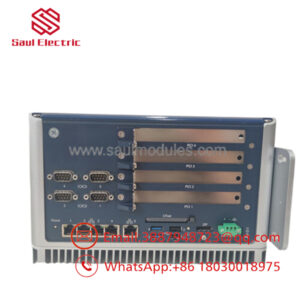
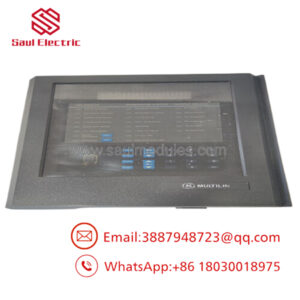
The GE VMER-64 is a VMEbus processor board used in industrial control and embedded computing environments. It serves as a compute platform for legacy automation systems that still depend on VME architecture and exact-match replacement parts.
Buying this as New Surplus is a sensible TCO decision for aging installed bases. It reduces stock-out risk, shortens recovery time, and avoids expensive emergency sourcing when lead time variability and obsolescence pressure make VME replacements difficult to find.
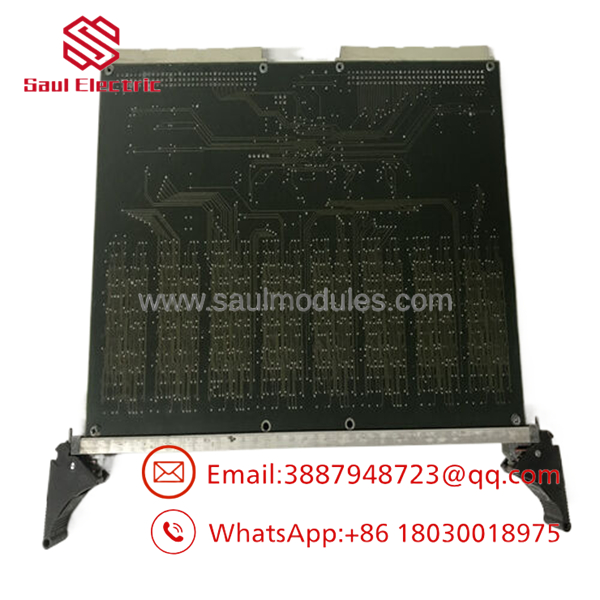
- VMER-64
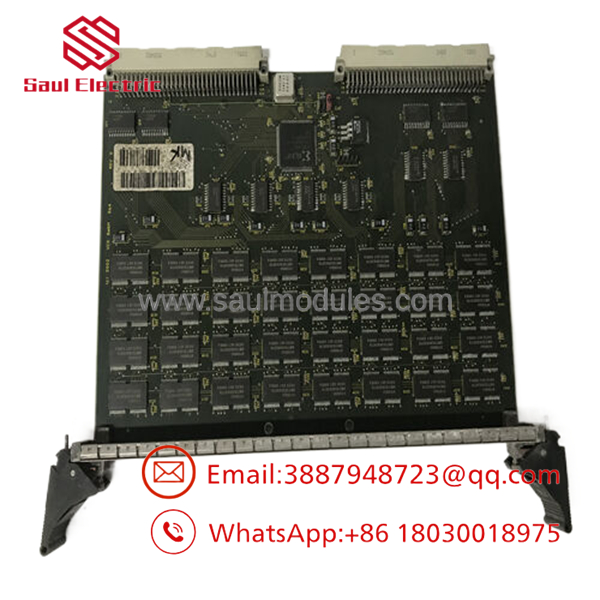
- VMER-64
Installation & Configuration Guide
Stage 1: Pre-Installation
- Apply lock-out/tag-out and confirm the system is de-energized.
- Use an ESD wrist strap and insulated tools.
- Photograph the board, connectors, jumpers, and cabling before removal.
- Record BIOS, boot settings, and any installed option modules.
Stage 2: Removal
- Shut down the host system using the approved sequence.
- Label every cable and module position before disconnecting it.
- Remove the board straight out to avoid bending VME connector pins.
- Inspect the backplane, card guides, and connectors for damage or contamination.
Stage 3: Installation
- Match the replacement board to the recorded original configuration.
- Reinstall any option cards or mezzanine modules if present.
- Seat the board evenly into the VME backplane and secure it.
- Reconnect all cables exactly as documented.
Stage 4: Power-On & Testing
- Check the supply rails for shorts before energizing.
- Power up and verify POST, boot media, and network or serial output.
- Confirm any application or controller software loads correctly.
- Run a controlled functional test before returning the system to service.
Firmware/Software Versions & Upgrade Notes
The safest approach is to keep the board matched to the same BIOS, operating image, and application baseline already validated at the site. In legacy VME systems, the main risk is software or boot-image mismatch, not just the hardware swap.
Avoid firmware upgrades during replacement unless you already have a rollback plan and documented compatibility data. For old control platforms, a like-for-like replacement with the current configuration preserved is the lowest-risk path.
Frequently Asked Questions
Q: Is this really New Surplus?
A: It should be supplied as New Surplus / Original New, not refurbished. That means traceable legacy inventory rather than a repaired board.
Q: Why is it cheaper than OEM new but not as cheap as refurb stock?
A: New Surplus usually comes from excess inventory, project closeout, or secured distributor stock. That lowers price versus OEM list while keeping a stronger reliability profile than uncertain-condition parts.
Q: Is VMER-64 obsolete?
A: Treat it as a legacy VME spare and check the installed platform’s lifecycle status. If your system still depends on it, keep buffer stock and plan for last-time-buy coverage.
Q: Can I hot-swap it?
A: No, not as a default assumption. VME processor boards should be replaced under a controlled outage unless the site procedure explicitly allows otherwise.
Q: Will my software or settings transfer automatically?
A: No. Record the boot image, BIOS settings, application files, and any attached option-module data before replacement. The new board should mirror the original setup exactly.
Q: What warranty terms are typical?
A: New Surplus industrial parts often carry vendor-backed warranty coverage, but the exact term depends on the supplier. Confirm warranty length, return policy, and serial traceability before purchase.

 Start Chat


