





Description
Product Introduction
The Abaco Systems / GE Intelligent Platforms VME-7807RC (VMIVME-7807RC) is a high-performance 6U VMEbus single board computer built around the Intel Core 2 Duo processor architecture. Engineered for rugged military radar, flight simulation, industrial vision, and complex DCS processing, it bridges legacy VMEbus infrastructure with modern x86 compute power.
Packed with up to 4GB of soldered DDR2 ECC memory, dual PMC/XMC expansion slots, high-speed SATA interfaces, and dual Gigabit Ethernet controllers, the VME-7807RC delivers massive data throughput. It replaces older Pentium-era VMIVME cards directly on the backplane, allowing system integrators to boost processing headroom without re-engineering complete chassis racks.
Key Technical Specifications
| Parameter | Value |
| Processor | Intel Core 2 Duo (2.16GHz or 1.5GHz options) |
| System Memory | Up to 4GB soldered DDR2 SDRAM with ECC |
| Form Factor | 6U Single-Slot VMEbus (VME64 / 2eSST compatible) |
| Graphics | Integrated Intel GMA 950 graphics (VGA output) |
| Ethernet | 2x 10/100/1000Base-T Gigabit Ethernet ports |
| Expansion Slots | 2x PMC/XMC expansion sites (PCI-X 133MHz / PCIe support) |
| Storage Interfaces | Onboard CompactFlash socket, SATA interfaces, USB 2.0 |
| Serial Ports | 2x RS-232/422/485 serial ports |
| Operating Systems | VxWorks, Linux, Windows Embedded support |
Application Scenarios & The “Trench” Experience
A major defense contractor ran into a critical standstill on an active flight simulator rack. The main image generator rack threw a memory bus fault on its primary VME CPU card mid-exercise. Sourcing a current-generation VPX system meant rewriting certified real-time operating system (RTOS) code—a delay estimated at six months and hundreds of thousands of dollars. Finding a direct-replacement VME-7807RC board was the only way to restore flight-deck telemetry overnight.
- Military & Defense Avionics – Running high-speed target acquisition, sonar signal processing, and radar data displays.
- Flight & Defense Simulators – Executing low-latency aerodynamic math models and visual generation loops in real time.
- Semiconductor Fabrication Racks – Handling complex wafer positioning and multi-axis robotics on high-yield manufacturing lines.
- Nuclear & Power Plant SCADA – Acting as high-reliability central node controllers in long-lifecycle VME card cages.
Field Case Study
An offshore research vessel’s dynamic positioning radar node crashed after an onboard cooling fan failed, causing thermal degradation on an aging VME single board computer. We dispatched a fully bench-tested VMIVME-7807RC board to their next port of call. The marine electronics engineer swapped the onboard CompactFlash boot drive over, dropped the 7807RC card into Slot 1, and restored dual-redundant navigation tracking in under an hour.
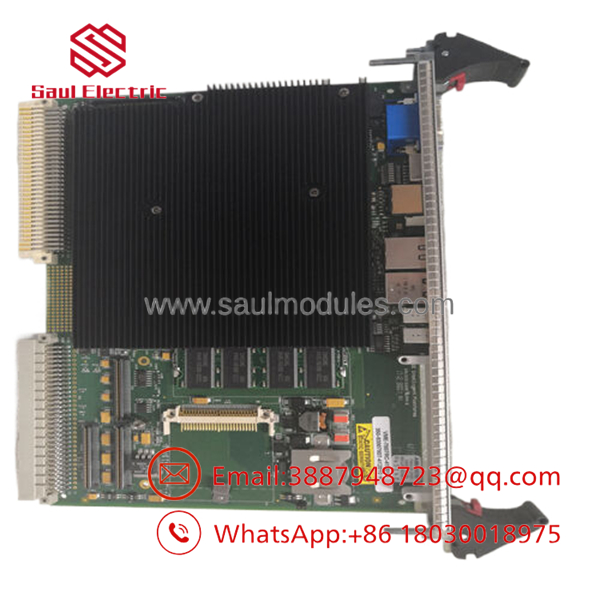
VMIVME-7807RC
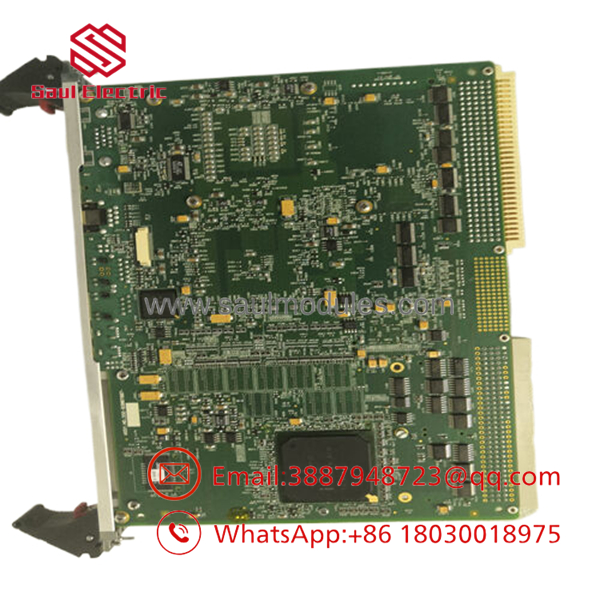
VMIVME-7807RC
Transparency SOP: Quality Assurance & Testing
Single board computers running embedded operating systems require strict hardware validation. We test every VME-7807RC unit thoroughly before dispatch.
- Visual & Structural Audit: Inspecting P1/P2 DIN connectors for bent or recessed pins, auditing BGA solder joints under magnification, and checking thermal heatsink seating.
- Backplane Power-On & BIOS POST: Slotting the board into a VME64 chassis to confirm clean BIOS POST, power rail draw, and memory detection.
- Memory & CPU Burn-In: Executing multi-pass MemTest86 stress loops across all soldered DDR2 RAM blocks and running dual-core CPU thermal stress cycles.
- I/O Channel Verification: Testing both Gigabit Ethernet ports, RS-232 serial communication handshakes, VGA video output, SATA storage ports, and PMC site bus enumeration.
- ESD & Anti-Static Packaging: Sealing the verified card in heavy anti-static ESD bags with fresh desiccant prior to dispatch.
The Veteran’s Tech Trap Guide (Crucial Value-Add)
- ⚠️ Check System Controller Jumpers (SYSCON): Like all VME single board computers, the VME-7807RC can act as the VMEbus System Controller. If you install this card in Slot 1, SYSCON must be enabled. If you are slotting it into any other position as a secondary node, SYSCON must be disabled, or the backplane arbitration bus will lock up completely.
- ❗ Verify PMC Standoff Clearances: When installing add-on PMC or XMC cards onto the 7807RC motherboard, ensure standoff heights and rear-I/O routing match your chassis backplane space. Misaligned PMC pins can short out the 3.3V/5V PCI bus lines.
- ⚠️ Thermal Management is Non-Negotiable: The Core 2 Duo processor generates significant heat. Ensure your 6U VME chassis fan tray is operational and moving sufficient CFM airflow across the passive heatsink fins. Running this board in a dead-air cabinet will trigger thermal throttling and rapid system shutdowns.
- ❗ Firmware & Operating System Alignment: If you are migrating from an older VMIVME-7750 or 7700 card, verify that your VxWorks BSP or Linux kernel includes drivers for the 7807RC’s Intel chipset and Gigabit Ethernet ICs.
Frequently Asked Questions (FAQ for Conversion)
Q: What is the full model part number logic for the VMIVME-7807RC?
A: The part number string (e.g., VMIVME-7807RC-414001) designates specific processor speed variants, onboard memory capacity (e.g., 2GB vs 4GB), operating temperature ranges (standard vs rugged/conformal coated), and rear I/O pinout options.
Q: Is the VME-7807RC backward compatible with older VME backplanes?
A: Yes. It interfaces cleanly with standard VME64 and legacy VME backplanes, provided power rails (+5V, +12V, -12V) are stable and meeting amperage requirements.
Q: Can I boot my operating system directly from an onboard CompactFlash card?
A: Absolutely. The onboard CompactFlash socket connects directly to the IDE/SATA controller, allowing fast, solid-state OS booting for VxWorks, Linux, or Windows Embedded without spinning hard drives.
Q: What warranty comes with this refurbished or surplus VME card?
A: Every board shipped—whether factory-sealed new surplus or bench-tested refurbished—includes a complete 12-month replacement warranty.
Q: Why buy surplus instead of upgrading to a new VPX or CompactPCI platform?
A: Upgrading a legacy VME system to modern VPX requires replacing card cages, backplanes, power supplies, and re-certifying software application stacks. Sourcing a verified drop-in board keeps your existing system online at a fraction of the cost.

 Start Chat


