





Description
Product Introduction & Engineering Value
Safety modules are rarely replaced because of ordinary wear. They are usually involved when a plant needs to restore a critical protection function quickly after a hardware fault. The Hollysys SR161 is designed for integration into Hollysys control and safety system architectures where dependable signal processing and fault monitoring are required.
In legacy automation environments, replacing an SR161 requires more than installing a matching part number. Engineers must confirm rack position, configuration files, safety logic compatibility, and field wiring conditions before returning the system to operation. Hollysys provides industrial control and safety platforms for process automation applications.
Technical Specifications
| Parameter | Specification |
|---|---|
| Manufacturer | Hollysys |
| Model | SR161 |
| Product Category | Safety / Control Module |
| System Application | Hollysys industrial automation and safety systems |
| Installation Type | Modular rack mounting |
| Configuration | Engineering software configuration |
| Diagnostic Function | Module status and fault monitoring |
| Communication | System backplane communication |
| Application Level | Industrial process control and safety applications |
| Replacement Type | Direct hardware replacement after compatibility verification |
| Maintenance Method | Parameter/configuration restoration required |
Field Application & The “Trench” Experience
A power generation facility operating a Hollysys-based safety monitoring system experienced unexpected channel faults from an aging SR161 module installed in a protection cabinet. The process control system remained online, but operators received repeated diagnostic alarms related to the safety I/O section.
The maintenance team isolated the defective module during a planned outage window. A tested replacement SR161 was installed, followed by configuration verification, channel simulation testing, and safety logic validation. The protection system returned to normal service without modifying the existing control strategy.
Typical application scenarios include:
- Burner management and shutdown interlock systems
- Process safety monitoring cabinets
- Critical equipment protection logic systems
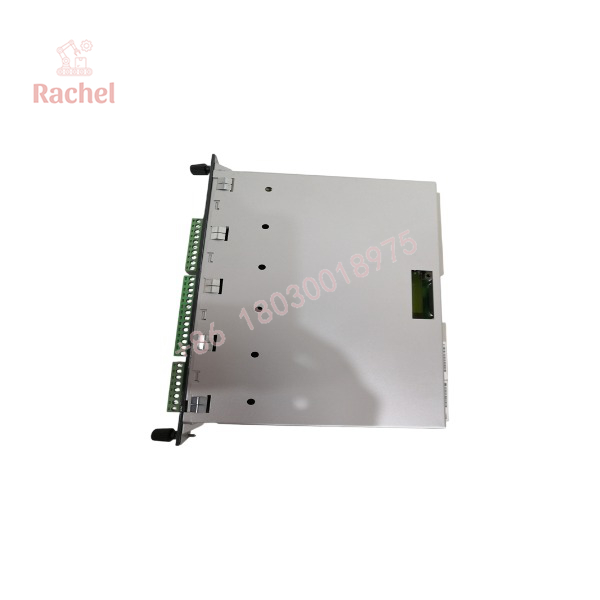
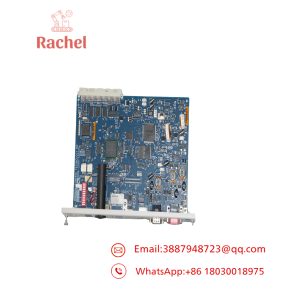
SR161
Transparency SOP: QA & Testing
SR161 verification process before shipment:
1. Identification Review
- Confirm Hollysys branding and SR161 model marking.
- Check hardware revision and physical condition.
- Verify connector and mounting integrity.
2. Condition Assessment
- Inspect PCB surfaces, terminals, and enclosure.
- Check for oxidation, moisture exposure, or component damage.
3. Functional Testing
- Perform power-up checks where test equipment is available.
- Verify module status indicators.
- Confirm communication response with compatible system hardware.
4. Documentation
- Record inspection results.
- Apply ESD protection.
- Package using industrial shipping protection methods.
The Veteran’s Tech Trap Guide
⚠️ Do Not Treat Safety Modules Like Standard I/O
Safety-related modules often require configuration validation after replacement. Installing the hardware alone does not guarantee the safety function has been restored.
PRO TIP:
Always keep a current backup of the safety configuration before removing any active safety module.
⚠️ Firmware and Revision Differences Matter
A replacement module with a different hardware revision may require engineering review before being accepted by the control system.
⚠️ Field Simulation Testing Should Not Be Skipped
After replacement, verify input signals, output responses, alarms, and interlock behavior before returning equipment to operation.
Dynamic FAQ
Q1: What is the Hollysys SR161 used for?
The SR161 is a Hollysys industrial control/safety module used within compatible automation system architectures for signal processing and monitoring functions.
Q2: Is the SR161 a standard PLC I/O module?
No. The application depends on the installed Hollysys platform. Engineers should verify the exact system family and module function before replacement.
Q3: Can a New Surplus SR161 be installed immediately?
A New Surplus unit should still undergo identification verification, configuration review, and functional testing before being placed into a safety-related application.
Q4: What information is needed when ordering an SR161 replacement?
Provide the complete module number, installed Hollysys system model, rack location, firmware information, and any available configuration backup.
Q5: What testing is recommended for refurbished SR161 modules?
Recommended checks include visual inspection, power-up testing, communication verification, diagnostic testing, and system integration validation.
Q6: Is warranty available for refurbished SR161 modules?
Warranty terms depend on the supplier. A qualified refurbished module should include inspection documentation and a defined warranty period before installation.

 Start Chat


