





Description
Product Introduction & Engineering Value
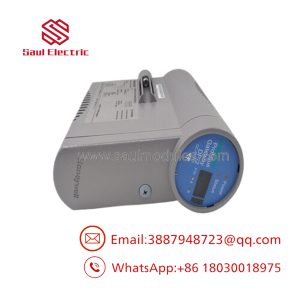
Nothing halts plant visibility faster than a broadcast storm inside your DCS rack due to a misconfigured commercial switch or an unauthorized technician plugging a laptop into the wrong port. The Honeywell CC-PCF901 steps in as a hardline security gatekeeper. It is specifically engineered to shield C300 controllers and Series C Field Interface Modules (FIMs) from non-essential Ethernet chatter, broadcast floods, and unapproved packet formats.
By forcing deterministic traffic routing at the cabinet boundary, the module isolates your core process automation layer. It prioritizes outbound controller updates while strictly filtering incoming packets to ensure that only authenticated, C300-compliant instructions ever hit the backplane.
Technical Specifications
Because network hardware requires exact performance parameters to ensure deterministic communication cycles, the electrical and communication baselines are outlined below:
| Parameter | Specification Details |
| Port Configuration | 8 x 10/100 Mbps Base-TX FTE Downlink Ports, 1 x 10/100 Mbps Uplink Port |
| Input Operating Voltage | 24 VDC nominal (supplied via dedicated IOTA platform) |
| Mounting Architecture | Direct secure interface to a CF9 Input/Output Termination Assembly (IOTA) |
| Supported Topologies | Star, Bus, and Fault Tolerant Ethernet (FTE) Ring topologies |
| Security Layer | Hardware packet filtering, C300 message authentication, rate limiting |
| Board Protection | Conformal coating (designated by the “CC” suffix prefix) |
| Fiber Optic Options | Supports external SFP Single-Mode (SMFIO) or Multi-Mode (MMFIO) sub-modules |
| Dimensions & Weight | 85 mm x 50 mm x 22 mm; Approximately 0.38 kg (0.84 lbs) |
Field Application & The “Trench” Experience
The “Trench” Story
During a critical commissioning cycle at a refinery hydrocracker unit expansion, an external sub-vendor hooked a third-party vibration monitoring PC directly into an unmanaged maintenance switch connected upstream from the Level 1 control network. The PC had a corrupted network driver that began broadcasting massive corporate network discovery loops down the fiber backbone. While commercial switches nearby bogged down, the local C300 control cabinets held perfectly steady. The CC-PCF901 firewalls dropped the unauthorized broadcast packets instantly at the cabinet edge, preserving the critical deterministic processing cycles of our core controllers without skipping a beat.
Specific Applications
- Catalytic Cracking Unit Temperature Control: Shielding high-frequency loop processors from plant-wide network integration noise.
- Remote Compressor Station Backbones: Maintaining localized FTE ring integrity where data lines cross long physical distances susceptible to external equipment taps.
- Tank Farm Custody Transfer Racks: Securing multi-drop safety networks linking high-speed flow computers back to the core Experion DCS platform.
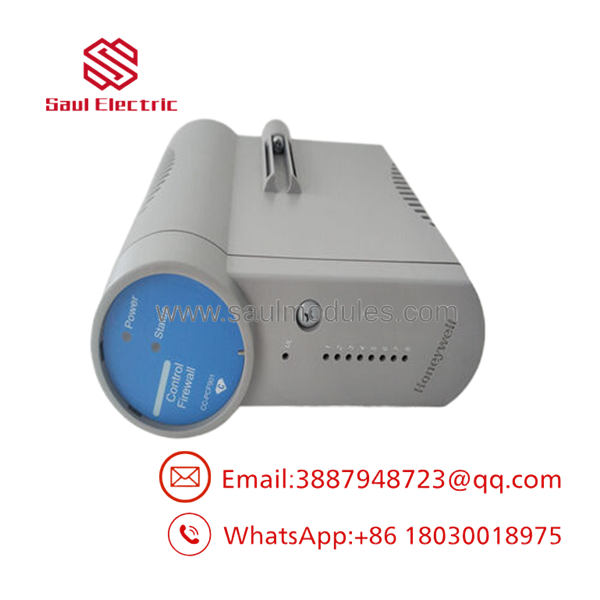
- CC-PCF901
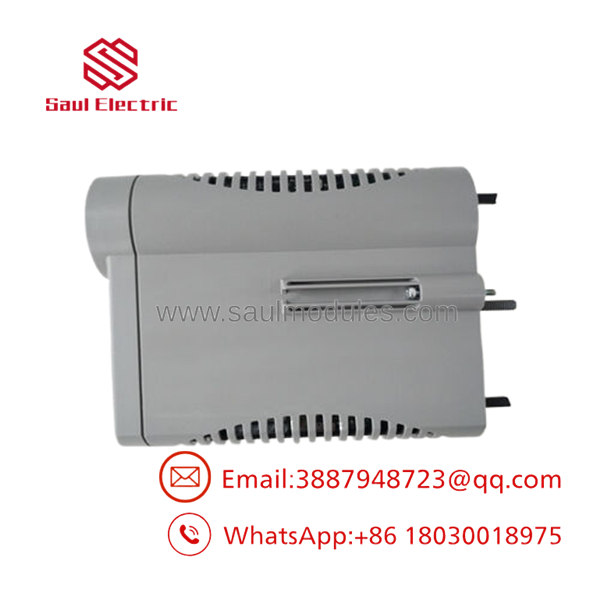
- CC-PCF901
Transparency SOP: QA & Testing
Every New Surplus or Refurbished CC-PCF901 module passing through our testing facility goes through an absolute rigorous validation sequence to ensure zero out-of-box failures:
- Pin and Trace Micro-Inspection: Automated visual inspection checks the backplane connectors for microscopic physical alignment variances and verifies the integrity of the conformal coating.
- FTE Port Loop-Back Simulation: All 8 downlink ports and the primary uplink port are subjected to heavy data simulation traffic, verifying that packet rejection thresholds match OEM standards under peak load.
- Power Failover Calibration: The internal power components are tested for seamless power regulation transitions under voltage drops down to 18 VDC to guarantee component safety.
- ESD Protective Custody: Once cleared, modules are packaged immediately in certified static-shielding material before final boxing.
The Veteran’s Tech Trap Guide (Crucial Value-Add)
⚠️ THE RED LIGHT TRAP: If the downlink port LED turns solid red after installing the module, do not assume the CC-PCF901 is broken. A solid red LED indicator on this hardware usually means it has detected too many attached devices downstream on that specific port. The firewall has a hard limit on the number of intra-cabinet MAC addresses it allows per channel to prevent bridge-looping.
PRO TIP: When replacing an older version of this module or moving a project from a staging environment to the plant floor, always use the Control Firewall Update tool inside Honeywell Configuration Studio. If the firewall firmware version lags behind the main C300 controller firmware, the controller will explicitly refuse to authenticate communication through the uplink port, cutting off cabinet visibility.
Dynamic FAQ
-
- A: No. The control firewall acts as an intelligent, transparent L2 security appliance tailored for the FTE environment. It manages network safety and filters frames without needing an independent IP node assignment on your main network architecture.
- Q: What is the difference between the CC- and a standard commercial unmanaged switch?
- A: A standard commercial switch passes any broadcast traffic it receives. The CC- actively inspects packets at the hardware layer, dropping non-C300 protocol messages and ensuring that broadcast storms cannot migrate into your controller runtime loop.
- Q: How does the conformal coating on the “CC-” version help our installation?
- A: The “CC” designation guarantees that the circuit board is treated with a protective layer designed to withstand corrosive atmospheric contaminants, such as elevated H_2S levels common in chemical plants and refining environments.
- Q: What type of hardware warranty is included with your new surplus stock?
- A: Every single Honeywell CC- module supplied is backed by a full 12-month replacement warranty. If any component encounters a port failure or backplane connection anomaly within the first year of operation, we replace it.

 Start Chat


