





Description
Product Introduction
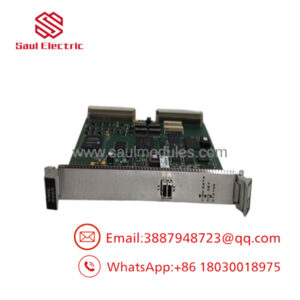
The IC697BEM733 is a Genius Remote I/O Scanner for the Series 90-70 PLC. It mounts in a remote rack and connects local IC697 I/O modules to the Genius bus back to the main controller. This lets you distribute I/O over long distances without running individual wires for every point.
In field use, it shines when you need to spread I/O across a large facility. The module handles the bus protocol and makes remote racks look like local I/O to the CPU. Older technology, but it still runs rock solid in plants that haven’t migrated yet.
Key Technical Specifications
| Parameter | Value |
|---|---|
| Bus Type | Genius Bus |
| Max Drops | Up to 20 fully loaded |
| Baud Rate | 153.6K extended |
| Distance | Up to 7500 feet |
| Rack Slots | 1 slot |
| I/O Handling | Interfaces IC697 modules to bus |
| Power Requirements | From backplane |
| Operating Temperature | 0°C to 60°C |
Application Scenarios & The “Trench” Experience
Chemical plant, freezing rain outside. A remote I/O rack scanner died, killing signals to a dozen valves. Process went into safe state. We swapped in a tested IC697BEM733 during the next window. Brought everything back without a full shutdown. The maintenance supervisor bought coffee for the crew that night.
- Chemical Processing – Remote valve control – Places I/O near process equipment, cuts down on field wiring.
- Mining Operations – Conveyor monitoring – Survives harsh environments over long bus runs.
- Power Generation – Auxiliary system I/O – Links distant pump houses to central control.
- Wastewater Treatment – Distributed pump stations – Reliable Genius bus in electrically noisy areas.
A refinery kept their 90-70 system alive for years using these scanners during a slow migration. One module failure could have cost a day of production. Fast replacement kept them online.
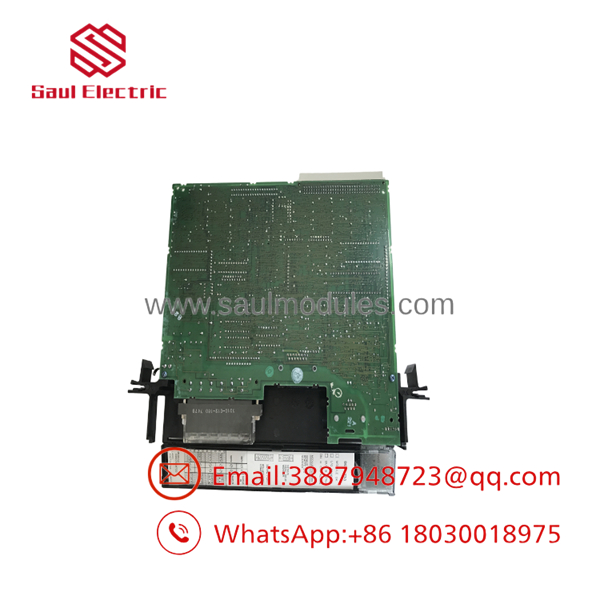
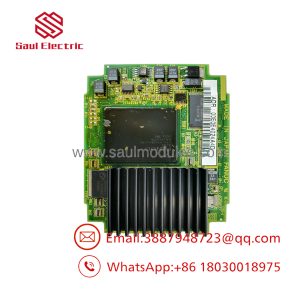
- IC697BEM733
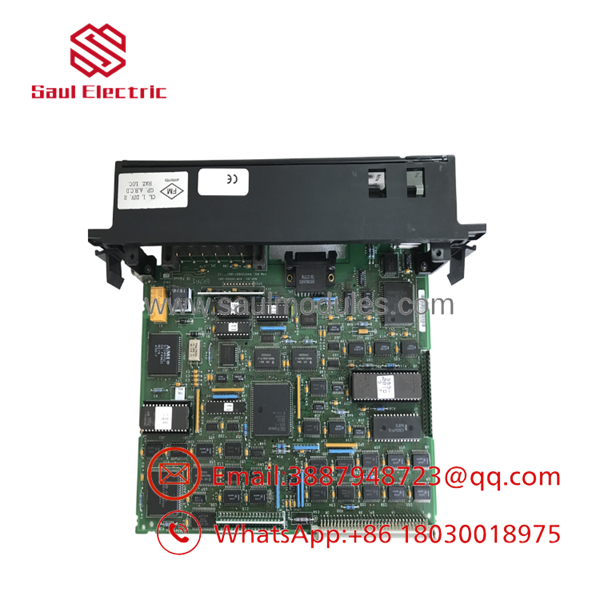
- IC697BEM733
Transparency SOP: Quality Assurance & Testing
We don’t just ship boxes; we test them on actual Series 90-70 racks.
- Inbound Inspection – Verify bus connectors, board condition, and revision.
- Live Rig Testing – Simulate Genius bus traffic with master and remote I/O.
- Electrical Parameter Checks – Test bus signaling and backplane interface.
- Firmware/Status Verification – Confirm LED operation and scan functionality.
- Final QC & Anti-static Packaging – Extended communication tests, proper packing.
Tested in real Genius networks.
The Veteran’s Tech Trap Guide
⚠️ Bus termination and grounding are non-negotiable. Bad termination causes reflections and dropped devices. Follow the manual exactly.
❗ Address conflicts will lock up the bus. Every drop needs a unique Genius bus address. Double-check before powering up.
⚠️ Cable type and length limits matter. Using the wrong coax or exceeding distance specs kills reliability fast.
One thing to watch out for is firmware compatibility with the main CPU. Older scanners paired with newer logic can cause weird I/O updates. Verify versions.
Frequently Asked Questions
Is the IC697BEM733 hot-swappable? No. Requires rack power down for safe replacement.
How far can the Genius bus run? Up to 7500 feet at lower baud rates with proper cable and repeaters where needed.
Can multiple scanners run on one bus? Yes, up to the maximum drop limit depending on configuration.
Why still use this old module? It keeps existing Genius I/O infrastructure running without a full rip-and-replace.
What is the difference between BEM733 and similar modules? This is the remote scanner version for 90-70 racks interfacing to the Genius bus.
Is surplus stock reliable? Ours are tested on live Genius networks with real I/O modules. 12-month warranty.
Any modern alternatives? PROFINET or Ethernet I/O offers better diagnostics, but this remains the drop-in for legacy Genius setups.

 Start Chat


