





Description
Product Introduction
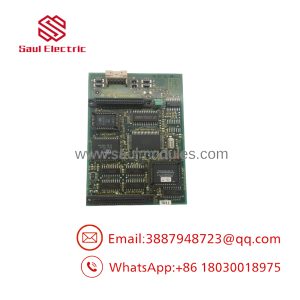
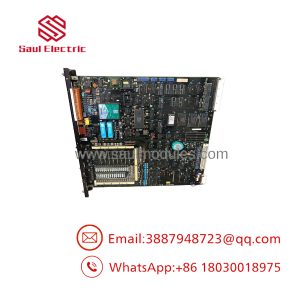
The Kawasaki 50999-2055R01 (1JP-51) is a main processor PCB card engineered for high-precision Kawasaki cleanroom robot controllers. Primarily deployed in photolithography tracks, chemical mechanical planarization (CMP) tools, and automated wafer handlers like the Nikon NSR series and TEL Telius platforms, this board executes trajectory calculations and coordinates encoder handshakes during high-throughput wafer processing.
Unlike general-purpose robot controllers, the 1JP-51 processor handles micro-inch repeatability demands without dropping real-time bus communication. It manages high-speed trajectory planning while sending low-latency commands directly to multi-axis servo driver boards. Swapping a failed 50999-2055R01 card restores immediate communication between the robot controller rack and the tool’s main fab host system.
Key Technical Specifications
| Parameter | Value |
| Manufacturer | Kawasaki Robotics / Kawasaki Heavy Industries |
| Part Number | 50999-2055R01 |
| Board Revision / Sub-Model | 1JP-51 |
| Device Type | Main Processor PCB / Robot Logic Control Card |
| Primary Application | Cleanroom Semiconductor Wafer Handling Robots |
| Tool Compatibility | Nikon NSR Steppers (e.g., S205C), TEL Telius Coater/Developer Tracks |
| Communication Protocol | Proprietary Backplane Bus / Serial Host Interface |
| Form Factor | Multi-layer PCB Edge-connector Card for Controller Rack Slot Insertion |
| Form/Fit/Function Equivalent | Kawasaki 1JP-51 series boards |
| Operating Temperature | 0°C to 55°C (Cleanroom Ambient Controlled) |
Application Scenarios & The “Trench” Experience
It is 2:15 AM on a Tuesday, and your line lead calls. A 300mm wafer track just ground to a halt with a “Robot Controller Comm Timeout” error. The robot arm carrying $50,000 worth of patterned production wafers is frozen inside the load lock. Your diagnostic tool points straight to an uncommunicative main processor board inside the Kawasaki controller rack. Every hour the chamber sits idle costs the fab tens of thousands in lost wafer output. You do not need sales pitches—you need a pre-tested 50999-2055R01 board, on your bench, ready to drop in immediately.
Industry Applications:
- Semiconductor Photolithography: Manages robotic wafer loading and unloading on step-and-repeat exposure tools (e.g., Nikon NSR-S205C).
- Wafer Processing Tracks: Controls multi-axis pick-and-place robots in Tokyo Electron (TEL) coater and developer systems.
- Vacuum Transfer Modules: Coordinates precise multi-axis motion profile calculations for wafer transfer under cleanroom vacuum environments.
Transparency SOP: Quality Assurance & Testing
We do not just ship boxes; we test them on actual Kawasaki equipment racks before they leave our static-free bench.
- Inbound Inspection: Full visual check under magnification for trace corrosion, blown surface-mount capacitors, bent backplane connector pins, and tamper-evident OEM seals.
- Live Rig Testing: Insertion into a dedicated Kawasaki test rack. We power-cycle the chassis to verify boot sequences, flash memory reads, and clean system diagnostics.
- Communication Handshake Check: Verification of serial/host communication links and backplane bus responses across all I/O channels.
- Firmware Logging: Reading and documenting installed firmware revisions to ensure compatibility match for your fab tool.
- ESD Protection & Packaging: Final wipe-down with solvent-free cleanroom cleaner, sealed inside anti-static shielding bags, and packed with custom foam cushioning.
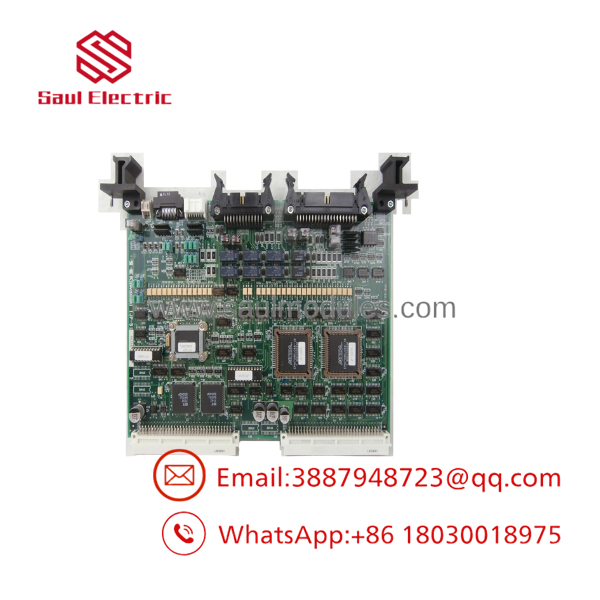
50999-2055R01
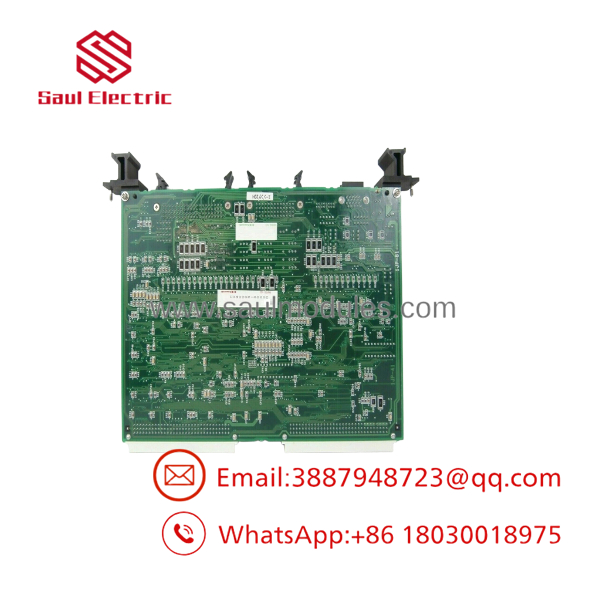
50999-2055R01
The Veteran’s Tech Trap Guide (Crucial Value-Add)
To be honest, swapping out processor cards in a live fab environment can bite you if you rush. Here is what 15 years in the field taught us:
- ⚠️ Watch Out for On-Board DIP Switches: Before sliding the replacement 50999-2055R01 into the slot, pull the old board and match every single DIP switch bank side-by-side. Set the address or baud rate jumpers incorrectly, and the host controller will reject the card instantly. Take a high-res photo with your phone before you unseat the old board. Trust me.
- ❗ ESD Will Kill This Board instantly: High-density semiconductor processor PCBs are static magnets. Ground yourself with an earth-bonded wrist strap before breaking the anti-static packaging. Handing this board naked without ESD precautions can degrade gate oxides without showing visual damage.
- ⚠️ Inspect the Backplane Socket Pins: Check the card-edge female connector on the rack backplane for bent or recessed pins before pushing the new board home. Forcing a card into a damaged slot pin will ruin the trace pads on your replacement card.
- ❗ Firmware Alignment: Confirm whether your tool software requires a specific firmware revision on the 1JP-51 processor. Mixing mismatched controller firmware versions with host track software often leads to silent interlock faults.
Frequently Asked Questions (FAQ for Conversion)
Q: Is the Kawasaki 50999-2055R01 board hot-swappable?
A: No. Pulling this card while the rack is powered up will cause an electrical transient that can fry the backplane bus and corrupt on-board EEPROM settings. Always completely power down the robot controller rack before removal or installation.
Q: Is the 1JP-51 designation important when ordering?
A: Yes. Kawasaki uses internal board numbers like 1JP-51 alongside part numbers like 50999-2055R01. Matching both ensures exact hardware layout, bus speed, and component revision compatibility with your system.
Q: How do you source these surplus boards and are they genuine OEM?
A: All our stock consists of 100% original Kawasaki factory boards. We source surplus units directly from fab decommissions, upgraded tool spares, and verified global semiconductor inventories.
Q: What kind of warranty comes with this refurbished or surplus board?
A: We back every 50999-2055R01 processor card with a full 12-month replacement warranty. If it fails during normal operation, we replace it or issue a prompt refund.
Q: Do I need to re-flash firmware after installing the replacement board?
A: In most drop-in scenarios, if the board firmware revision matches your original unit, no flashing is required. If your tool host flags a version mismatch upon boot, you can push the system image directly through the main controller service port.

 Start Chat


