





Description
Product Introduction
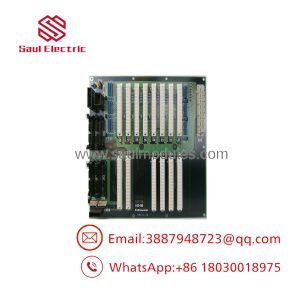
The Kawasaki 50999-1361R25 (commonly cataloged under base part number 50999-1361 or board code TPB-S) is a specialized controller logic board manufactured for Kawasaki industrial robot systems. Positioned inside the main controller card cage, this module serves as a critical communication bridge and processing node between high-level robot system instructions and low-level motion execution loops.
Engineered to operate in demanding manufacturing cells, the 50999-1361R25 handles real-time data flow from peripheral interfaces, decodes operator inputs from the teach pendant, and manages backplane bus synchronizations. By maintaining low-latency execution of system task scheduling, it helps ensure stable trajectory tracking, accurate I/O state execution, and instant response to external cell interlock triggers.
Key Technical Specifications
| Parameter | Value |
| Part Number / Revision | 50999-1361R25 (Revision R25) |
| Board Marking / Type | TPB-S series / 50999-1361 |
| Manufacturer | Kawasaki Robotics |
| System Function | Controller Logic Processing & Interface Board |
| Bus Architecture | Kawasaki card-cage backplane multi-pin interface |
| Logic Supply Voltage | Regulated low-voltage DC rails (+5 VDC / ±12 VDC / +24 VDC) |
| Status Indicators | Multi-LED diagnostic array for power, communication, and fault status |
| Operating Temperature | 0°C to +45°C (32°F to 113°F) |
| Mounting Format | Rack/Card cage slot insertion with faceplate retention fasteners |
Application Scenarios & The “Trench” Experience
A logic processing fault on the 50999-1361R25 board can bring an entire production cell to a sudden stop. When this module experiences address decoding failures or transceiver degradation, the controller typically halts execution, locking out teach pendant communication or dropping safety interlocks.
- Automotive Body Assembly: Processing dynamic I/O signals for high-speed spot welding, clamping, and part-transfer sequencing.
- Palletizing & Packaging Operations: Managing kinematic path calculations and heavy payload acceleration profiles.
- Machine Tending & Metal Stamping: Executing microsecond-level signal handshakes with CNC machines and stamping press interlocks.
- Industrial Painting & Material Dispensing: Ensuring uniform motion timing along complex 3D contour paths.
Field Case Study: An automated stamping cell suffered repeated “System Bus Sync” alarms during cold-start procedures, causing erratic teach pendant boot cycles. Swapping external cable harnesses did not isolate the issue. Diagnostics pointed to a failing logic buffer stage on the primary 50999-1361R25 card inside the main controller cage. A fully bench-tested replacement board was inserted into the rack slot. Upon restoring cabinet power, the controller completed its boot sequence without bus timeouts, cleared all pending alarms, and returned the line to full automated operation in under 20 minutes.
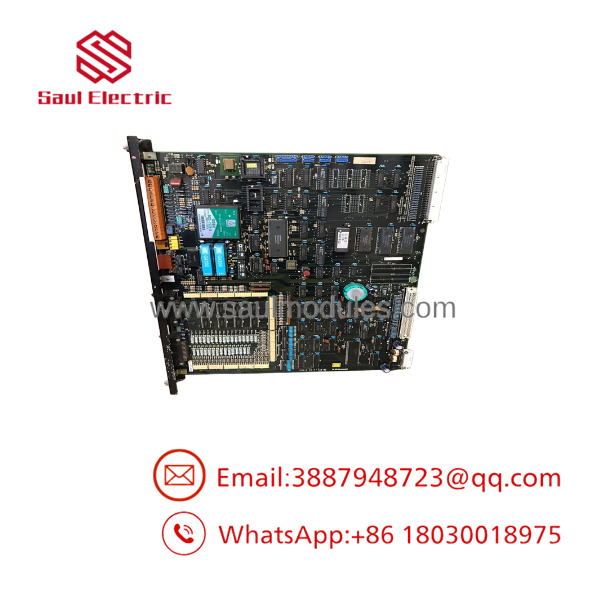
50999-1361R25
Transparency SOP: Quality Assurance & Testing
Every Kawasaki 50999-1361R25 logic board undergoes strict multi-step testing prior to dispatch:
- Visual & Mechanical Audit: Detailed inspection of edge connector gold fingers, PCB traces, solder connections, and part label authenticity (50999-1361R25 / TPB-S).
- Backplane Power-On Self-Test (POST): Mounting into an energized test rack to confirm power rail regulation (+5V, ±12V, +24V) and clean logic initialization.
- Bus Communication & I/O Loopback Stress Test: Transmitting high-density command packets across active channels to verify transceiver stability and signal integrity.
- Teach Pendant Handshake Diagnostics: Verifying rapid two-way data transfers to confirm zero signal latency or screen rendering delays.
- ESD-Safe Shield Packaging: Vacuum-sealing the verified board inside heavy static-shielding bags with moisture desiccant before final padded box packing.
The Veteran’s Tech Trap Guide (Crucial Value-Add)
⚠️ CRITICAL WARNING: Always turn off and isolate main cabinet power before pulling or inserting the 50999-1361R25 board. Hot-swapping this card can arc backplane pins, instantly destroying sensitive bus logic ICs on this board and surrounding rack modules.
- ❗ Verify Hardware Jumpers & DIP Switches: Before sliding the replacement 50999-1361R25 board into the controller slot, carefully check every jumper header and DIP switch block against the original card. Align them position-for-position to ensure correct bus address assignments and baud rate configurations.
- ⚠️ Inspect Card Cage Connectors: If replacing this card due to intermittent communication errors, examine the internal backplane female connectors for bent pins, dust accumulation, or signs of overheating.
- ❗ Back Up Robot System Data: While this board primarily processes real-time logic, changes to internal controller hardware can sometimes trigger cold-restart requirements. Always save a full backup of your system software and teaching points (
.asor.svfiles) before performing board-level maintenance.
Frequently Asked Questions (FAQ)
Q: What is the relationship between part number 50999-1361R25 and the marking TPB-S?
A: “50999-1361R25” is Kawasaki’s specific OEM part and revision number for the complete module assembly, while “TPB-S” is the hardware board designation code silkscreened directly onto the PCB. They refer to the exact same physical board assembly.
Q: Is the Kawasaki 50999-1361R25 board hot-swappable?
A: No. Main power to the robot controller cabinet must be completely shut off and locked out before installing or removing internal rack cards.
Q: What is the difference between revision numbers like R25 and earlier revisions?
A: The base part number (50999-1361) defines the core board architecture. Revision suffixes (such as R25) represent manufacturer engineering updates, minor trace revisions, or updated surface-mount components while maintaining functional compatibility within supported controller families.
Q: What warranty coverage is provided with this component?
A: All Kawasaki 50999-1361R25 boards include a full 12-month replacement warranty starting from the date of invoice.

 Start Chat


