




Description
Product Introduction
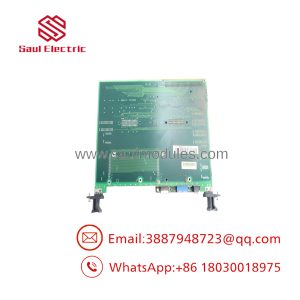
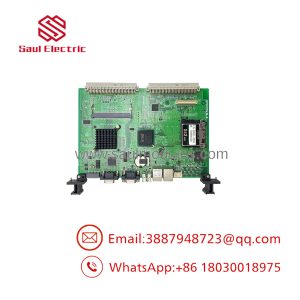
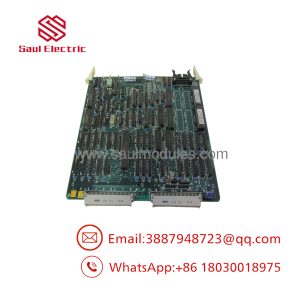
The Kawasaki 50999-2143 (commonly ordered as 50999-2143R10) is an internal rack-mounted control PCB engineered for Kawasaki industrial robot controllers. Frequently deployed across automated welding cells, material handling lines, and cleanroom transfer systems, this circuit card routes critical timing signals, safety stop chains, and auxiliary device communications between the main CPU and lower-level driver cards.
Unlike standard commercial interface boards, the 50999-2143 features hardened optocoupled inputs and high-noise-immunity signal pathways tailored for harsh high-EMI environments. Installing this card restores determinism to system interlocks and keeps peripheral equipment synchronized with the robot arm’s trajectory execution.
Key Technical Specifications
| Parameter | Value |
| Manufacturer | Kawasaki Heavy Industries / Kawasaki Robotics |
| Part Number | 50999-2143 |
| Full Assembly Revision | 50999-2143R10 |
| Board Type | Industrial Robot Controller Main Rack Board |
| Logic Supply Voltage | 24V DC Nominal (Backplane Powered) |
| Signal Coupling | Optically Isolated Digital I/O Bus Lines |
| Form Factor | Multi-layer Card Edge Plug-in Module |
| Operating Temperature | 0°C to 55°C (32°F to 131°F) |
| Compatibility | Kawasaki C-Series / E-Series Control Racks |
| Mounting | Main Control Cabinet Backplane Slot Insertion |
Application Scenarios & The “Trench” Experience
It is 3:30 AM on a Thursday in a automotive body shop. An arc welding cell goes dead mid-seam because the main robot controller drops its peripheral handshake signal. The teach pendant flashes an unrecoverable rack bus fault. Swapping external cables changes nothing—the issue lies inside the cabinet on the main signal board. Every minute the line sits idle costs roughly $1,200 in halted body-in-white production. Having a tested 50999-2143 card on the shelf turns an impending nightmare into a 15-minute slot swap.
Industry Applications:
- Automotive Body Welding: Manages auxiliary gas, wire feeder, and interlock signal lines in high-speed spot and MIG welding cells.
- Electronics Material Handling: Coordinates pick-and-place indexing sequences between host PLCs and Kawasaki robotic loaders.
- General Industrial Palletizing: Routes safety curtain, emergency stop, and cell gate interlocks directly into the main controller backplane.
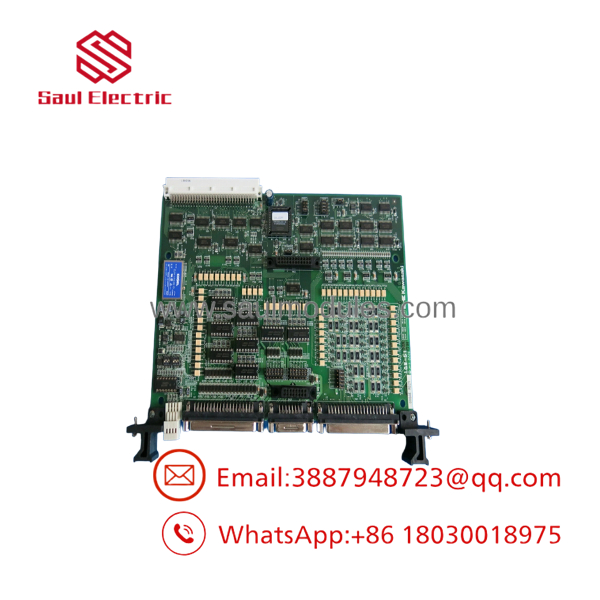
50999-2143
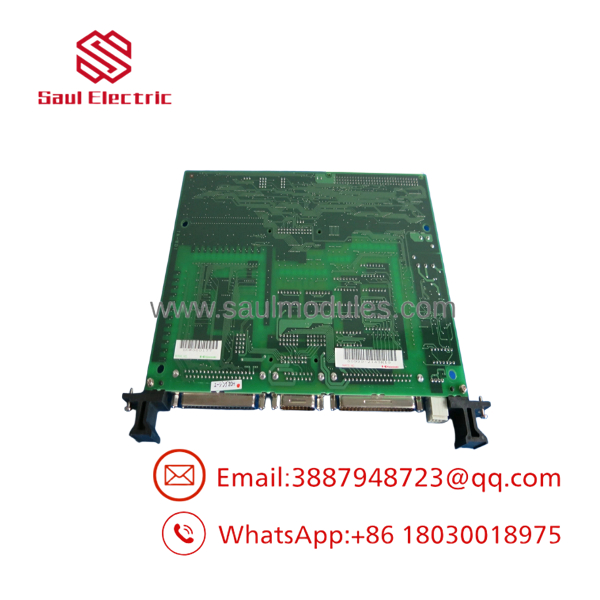
50999-2143
Transparency SOP: Quality Assurance & Testing
We don’t just ship boxes; we test them on actual Kawasaki controller racks.
- Inbound Inspection: Physical check under magnification for cracked traces, cold solder joints, degraded capacitors, or bent connector pins.
- Live Rig Testing: Insertion into a functional Kawasaki test cabinet. We power-cycle the rack and run full diagnostic cycles.
- Electrical Parameter Checks: Multimeter check of board voltage rails and line impedance to confirm logic gates haven’t suffered overvoltage damage.
- Firmware & Hardware Rev Matching: Logging exact board revision suffixes (e.g., R10) to verify physical layout parity.
- Final QC & Packaging: Cleaned with non-conductive electronics wash, wrapped in ESD-shielding bags, and sealed in high-density protective foam.
The Veteran’s Tech Trap Guide (Crucial Value-Add)
In our field experience, rushing a board swap in an active production cell usually leads to broken hardware. Keep these points in mind:
- ⚠️ Match Your Suffix Revisions: Pay close attention to the revision code (such as 50999-2143R10). While base part numbers match, sub-revisions sometimes alter jumper configurations or pinouts. Verify DIP switches against your original board before powering up.
- ❗ Never Pull Under Power: Pulling this board while the cabinet breaker is closed will spike the backplane bus. You risk killing adjacent CPU or axis control boards instantly. Lock out, tag out, and wait 3 minutes for bus capacitors to discharge.
- ⚠️ Check Backplane Slot Alignment: Slide the card along the rack guides smoothly. If you meet resistance, stop immediately. Forcing the board deforms the gold edge contacts or bends mating pins on the backplane.
- ❗ Static Dissipation Is Mandatory: Wear a bonded grounding wrist strap. ESD damage on input-coupling chips won’t always show up immediately—it creates latent faults that crash the robot weeks down the road.
Frequently Asked Questions (FAQ for Conversion)
Q: Is the Kawasaki 50999-2143 hot-swappable?
A: No. Pulling this live will fry the backplane bus and ruin the edge contacts. Always completely kill power to the robot controller cabinet before pulling or installing the card.
Q: What is the difference between 50999-2143 and 50999-2143R10?
A: “50999-2143” refers to the base schematic and board layout, while “R10” indicates the specific OEM engineering revision. In almost all cases, R10 serves as the direct physical drop-in unit.
Q: Are these units original Kawasaki components?
A: Yes. We sell authentic Kawasaki Heavy Industries surplus hardware. To be clear, we source these through global inventory buybacks, plant upgrades, and surplus cleanouts rather than buying direct from local OEM distribution.
Q: What warranty do you provide on surplus 50999-2143 boards?
A: Every board includes a standard 12-month replacement warranty. If the card fails under normal operating conditions within 365 days, we exchange it or issue a full refund.
Q: Will I need to reprogram my robot after replacing this board?
A: No. The system program and axis calibration parameters reside on the main CPU memory card. As long as jumper settings match your original 50999-2143 card, the system will boot up normally without parameter loss.

 Start Chat


