





Description
Product Introduction & Engineering Value
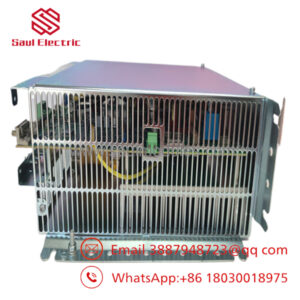
Kawasaki 50999-1599R10 is a 1GB-74 robot servo amplifier/control board used in Kawasaki robot controller architectures. It is a board-level component, not a complete robot controller or servo amplifier cabinet. Current spare-parts sources identify the same part number with the 1GB-74 designation.
The R10 revision must remain part of the procurement specification. Current listings also show this board associated with 1GB-14, 1GB-84, and 1GB-64 configurations, so the parent controller and installed board architecture should be confirmed before substitution.
Technical Specifications
| Parameter | Specification |
|---|---|
| Manufacturer | Kawasaki |
| Part Number | 50999-1599R10 |
| Board Designation | 1GB-74 |
| Product Type | Robot servo amplifier/control board |
| Port Count | 9 ports |
| Application | Kawasaki robot controller |
| Function | Servo control / amplifier interface |
| Board Revision | R10 |
| Associated 1GB Designations | 1GB-74; listings also reference 1GB-14, 1GB-84, 1GB-64 |
| Input Voltage | Verify from controller documentation |
| Servo Motor Compatibility | Controller-dependent |
| DIP-Switch Configuration | Verify against original board |
| Manufacturer Lifecycle | Listed as discontinued |
| Replacement Method | Match complete part number and controller configuration |
The available spare-parts data specifically describes 50999-1599R10 as an “amplifier board, robot servo control, 1GB-74, 9-port.”
I would not assign a board supply voltage, servo-current rating, motor compatibility, or connector pinout without the applicable Kawasaki controller manual. Those values are installation-specific and should not be inferred from the board number.
Field Application & the “Trench” Experience
A classic failure scenario is a Kawasaki robot that reports a servo-control fault during startup. The robot may have no obvious mechanical problem, yet the controller cannot establish the expected servo-control sequence.
This is where technicians sometimes replace the 1GB board immediately.
That can be expensive guesswork.
For Kawasaki C4/C70-era architectures, field troubleshooting information associates servo-control faults with several possible causes: the servo board, power-sequence board, harnesses, power block, or incorrect 1GB DIP-switch settings.
So, if 50999-1599R10 is suspected, verify the surrounding circuit before installing the replacement.
Niche application scenarios
- Kawasaki C70-series robot controller: troubleshooting servo-control communication and motor-enable problems.
- FS-series industrial robot cell: replacement of a failed 1GB servo-control board.
- Automated welding or material-handling cell: recovery of legacy Kawasaki robot motion control.
- Legacy Kawasaki controller refurbishment: retaining the existing robot and cabinet rather than replacing the entire control system.
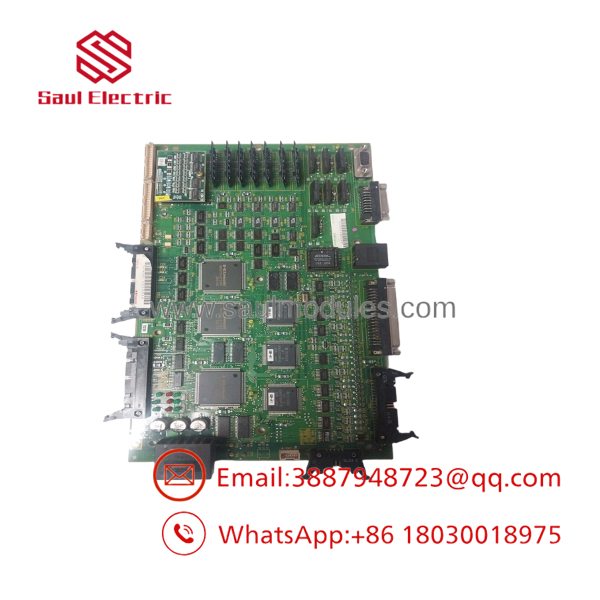
50999-1599R10
Transparency SOP: QA & Testing
For New Surplus or Refurbished 50999-1599R10, a meaningful QA process should include:
- Part-number verification — Confirm
50999-1599R10and the 1GB-74 board designation. - PCB inspection — Check connectors, solder joints, capacitors, heat-damaged components, and PCB traces.
- Port inspection — Verify all nine board ports and associated connectors.
- Configuration check — Record DIP-switch positions before removing the original board.
- Controlled power-up — Test in a compatible Kawasaki controller/test fixture.
- Servo communication test — Verify the board communicates correctly with the controller’s servo-control circuitry.
- Fault monitoring — Check for servo-control and initialization alarms.
- Functional test — Where possible, verify operation with the appropriate Kawasaki robot and servo system.
A power-on-only test is not sufficient for this board. The servo-control path needs to be exercised.
The Veteran’s Tech Trap Guide
⚠️ Trap #1 — Replacing the board before checking DIP switches
This is a particularly important point. Field troubleshooting information for Kawasaki C4X/C70 controllers identifies incorrect 1GB board DIP-switch settings as one possible cause of servo-control line faults.
PRO TIP: Photograph every DIP-switch position on the original board before removal.
⚠️ Trap #2 — Assuming the 1GB board is always the failed component
For Kawasaki servo-control faults, the power-sequence board, harnesses, power block, and servo board can all be involved.
Do not shotgun-replace expensive boards.
⚠️ Trap #3 — Dropping the R10 revision
Order 50999-1599R10, not merely “Kawasaki 1GB board.” The revision is part of the identification.
⚠️ Trap #4 — Confusing the board with a complete amplifier
This is a PCB-level servo-control/amplifier board. It is not the complete Kawasaki robot controller or a standalone servo drive cabinet.
Dynamic FAQ
What is Kawasaki 50999-1599R10?
It is a Kawasaki 1GB-74 robot servo amplifier/control board used within compatible Kawasaki robot controller systems. Current industrial spare-parts references identify it as a 9-port servo-control board.
What is the 1GB-74 designation?
1GB-74 is the board designation associated with Kawasaki part 50999-1599R10. Some current listings also group this part with 1GB-14, 1GB-84, and 1GB-64 configurations.
Is 50999-1599R10 discontinued?
Yes. Current industrial spare-parts references list it as discontinued by the manufacturer.
What controllers use this board?
The board is associated with legacy Kawasaki robot-controller architectures. Exact compatibility should be checked against the controller model, robot model, board revision, and configuration rather than assuming that every 1GB controller uses the same board.
What should I check before replacing it?
Check the 1GB board DIP switches, servo-control harnesses, power-sequence board, power block, connectors, and fault history. Kawasaki troubleshooting information specifically identifies several of these areas as potential causes of servo-control faults.
Is New Surplus 50999-1599R10 available?
The part is still appearing in the secondary industrial-spares market. Current listings show used and refurbished examples, while industrial suppliers continue to list the part as a legacy spare.
How should New Surplus or Refurbished stock be authenticated?
Request clear photographs showing 50999-1599R10, the 1GB-74 marking, revision information, serial/board identifiers, and actual test evidence. Do not rely solely on a stock photograph.
Does it carry a warranty?
Warranty terms depend on the supplier. For example, one current supplier listing advertises a two-year warranty on surplus parts and repairs, while another supplier describes repair support and a one-year repair warranty. These are supplier warranties, not Kawasaki OEM warranties.

 Start Chat


