





Description
Product Introduction
The Kawasaki 50999-2820 (often designated as 50999-2820R01) is an industrial controller circuit board engineered specifically for Kawasaki industrial robotic arms. Functioning inside the main controller cabinet, this module bridges high-level motion planning logic with downstream servo amplifier driver blocks to execute high-precision positioning across 6-axis articulated robots.
Unlike general-purpose PLC motion cards, the 50999-2820 is built specifically for Kawasaki’s proprietary controller bus architecture. It processes real-time encoder feedback loops, processes safety circuit interlocks, and coordinates deterministic multi-axis interpolation. To be honest, when an E-Series controller throws axis synchronization alarms, replacing this core interface board is often the fastest path to restoring factory throughput.
Key Technical Specifications
| Parameter | Value / Specification |
| Manufacturer | Kawasaki Robotics |
| Part Number | 50999-2820 / 50999-2820R01 |
| System Compatibility | Kawasaki E-Series / D-Series Controller Cabinets |
| Product Category | Printed Circuit Board (PC Board / Control Card) |
| Bus Interface | High-Density Multi-Pin Edge / DIN Header |
| Power Supply | Backplane-supplied 24VDC / Logic Rail |
| Mounting | Rack Slot Insert / Card Cage Chassis |
| Operating Temp | 0°C to 55°C (32°F to 131°F) |
| Form Factor | Multi-layer Industrial PCB Assembly |
| Approximate Weight | 1.85 lbs (0.84 kg) |
Application Scenarios & The “Trench” Experience
Picture this: It’s 2:00 AM on a Tuesday on an automotive welding line. A 6-axis Kawasaki material handling robot faulting out with an unresolvable communication trip on axes 3 and 4 brings the body shop conveyor to a dead stop. Every minute of line downtime costs over $8,000 in unbuilt assemblies. The servo drive checks out fine, but the controller isn’t handshaking over the backplane. Waiting 12 weeks for a full cabinet overhaul isn’t an option—you need a verified, drop-in 50999-2820 board to clear the fault and resume production immediately.
- Automotive Spot & Arc Welding – Cell controller cabinet – Coordinates high-speed robot positioning and weld-gun trigger timing loops.
- Palletizing & Material Handling – Heavy-payload robotic arms – Manages multi-axis motion profile execution under continuous cyclic loading.
- Cleanroom Semiconductor Handling – Wafer transfer manipulators – Delivers deterministic encoder feedback and jitter-free trajectory tracking.
Field Case Study: An OEM tier-1 stamping facility experienced intermittent axis encoder communication dropped packets on their main press-tending Kawasaki robot. The plant engineer swapped the degraded 50999-2820 card during a 20-minute shift changeover. The replacement card latched onto the backplane instantly, clearing the intermittent fault and preventing a full weekend line stoppage.
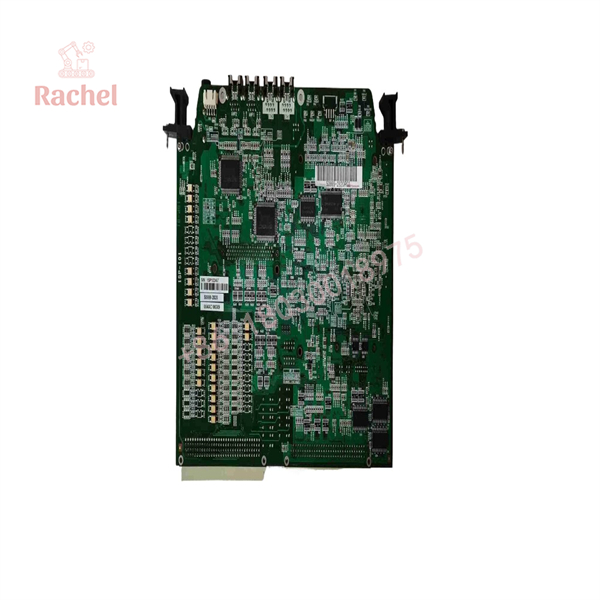
50999-2820
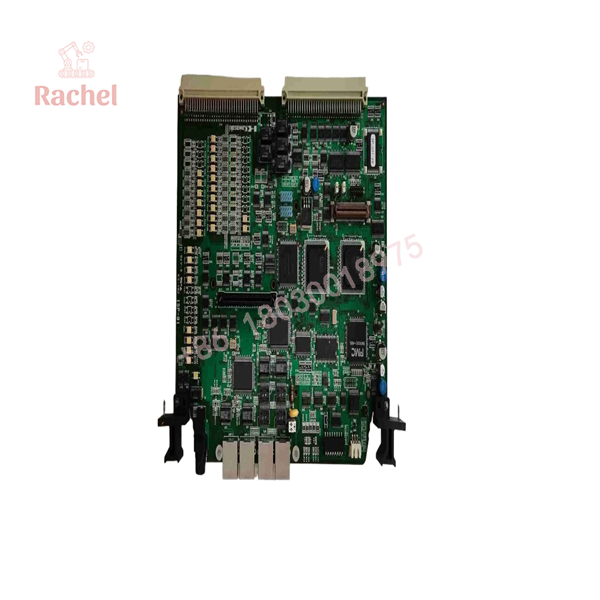
50999-2820
Transparency SOP: Quality Assurance & Testing
We don’t just ship boxes; we test them on actual Kawasaki controller racks. Every 50999-2820 board undergoes a strict multi-step testing process before leaving our facility:
- Inbound Visual & Trace Inspection: Optical microscopic verification checking for heat stress around driver ICs, blown capacitors, bent pin headers, and cold solder joints.
- Backplane & Power Rail Test: Board is seated in a powered Kawasaki test rack to confirm +5V, +12V, and +24V rail regulation and current draw specs.
- Live Communication Handshake: Verifying real-time bus handshake signals with downstream servo amplifier blocks and the main controller CPU.
- I/O & Safety Interlock Loop Verification: Exercising onboard digital I/O lines and hardwired safety bypass circuits under simulated operational loads.
- Anti-Static ESD Packaging: Thoroughly cleaned, cataloged with serial numbers and firmware revision tags, and sealed in static-shielding bags.
The Veteran’s Tech Trap Guide (Crucial Value-Add)
⚠️ Inspect the Cabinet Card Cage Pins First! Before sliding the replacement 50999-2820 into the rack, check the backplane receptacle with a flashlight. A single bent or corroded socket pin will crush the header on your replacement board and short out the 5V logic rail.
❗ Set Rotary & DIP Switches Before Power-Up. Take a high-resolution photo of the jumper and DIP switch settings on the old card before removing it. Incorrect board address settings will cause the controller CPU to report a missing hardware unit error on startup.
⚠️ Watch Out for Static Discharge. Kawasaki robot PCBs use sensitive surface-mount CMOS logic components. Always wear a grounded ESD wrist strap when handling this card—one electrostatic discharge can degrade the internal gate arrays without showing any visible damage.
Frequently Asked Questions (FAQ for Conversion)
Q: Is the Kawasaki 50999-2820 card hot-swappable?
A: No. Pulling this card while the robot controller cabinet is powered on will damage the backplane bus and cause an instant emergency stop fault. Always turn off the main circuit breaker and wait for internal capacitor banks to discharge before pulling or inserting boards.
Q: Does replacing this board require reloading the entire robot software software package?
A: Generally, no. The main robot motion program and system variables are stored on the controller’s main CPU memory. However, you must ensure board DIP switches match your original board so the system recognizes the hardware configuration on boot.
Q: What is the difference between 50999-2820 and 50999-2820R01?
A: The “R01” suffix represents a hardware revision tag. Revision levels typically involve minor component layout updates or improved ESD protection, but functionally, the 50999-2820 and 50999-2820R01 are direct backward-compatible drop-in replacements.
Q: What warranty comes with this module?
A: All new surplus and fully tested refurbished Kawasaki PC boards include a 12-month operational replacement warranty.

 Start Chat


