





Description
Product Introduction
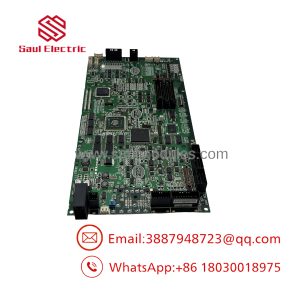
The Kawasaki GSEP-M02 is an internal PCMCIA card interface circuit board engineered for Kawasaki robot controller racks. Deployed across automotive painting cells, general material handling robots, and cleanroom semiconductor transfer tools (e.g., Kawasaki D-series rack configurations), this board serves as the hardware bridge between the main controller rack and external PCMCIA flash/memory storage media.
Unlike standard commercial card readers, the GSEP-M02 features industrial-grade noise suppression and buffered bus lines designed to prevent data corruption during real-time system memory dumps or program loads. Swapping a failed GSEP-M02 board clears memory access timeout alarms, enables seamless AS-language backup execution, and restores reliable firmware flashing capabilities to your controller rack.
Key Technical Specifications
| Parameter | Value |
| Manufacturer | Kawasaki Heavy Industries / Kawasaki Robotics |
| Part Number | GSEP-M02 |
| Device Type | PCMCIA Card Interface / Memory Expansion PCB Board |
| Media Standard | PCMCIA Type I / Type II Memory Card Interface |
| System Compatibility | Kawasaki Industrial & Cleanroom Robot Controller Cabinets (D44F, C-Series) |
| Operating Voltage | 5V DC / 3.3V DC (Backplane Supplied) |
| Form Factor | Internal Rack Slot Plug-In Daughtercard |
| Connection Type | High-Density Backplane Connector & Front PCMCIA Card Socket |
| Operating Temp | 0°C to 55°C (32°F to 131°F) |
Application Scenarios & The “Trench” Experience
It is 1:00 AM during a scheduled plant maintenance window. Your automation engineer needs to pull a complete AS-language system image and teach-point backup from a Kawasaki robot arm before performing a controller software patch. The engineer slides in a fresh PCMCIA card, but the teach pendant throws a non-clearable “Card Access Error – Interface Timeout.” The backup fails, and without a verified image, you cannot risk proceeding with the maintenance update. Diagnostic checks trace the issue to a blown buffer chip on the GSEP-M02 PCMCIA interface board inside the cabinet rack. Having a verified GSEP-M02 spare on hand allows a quick 10-minute card swap, restoring media access and keeping your overhaul on schedule.
Industry Applications:
- Automotive Body & Paint Lines: Facilitates fast offline program restoration and teach-point transfers across multi-robot cell deployments.
- Semiconductor Wafer Transfer: Manages system configuration parameter dumps and log file extractions on cleanroom robot controllers.
- General Palletizing & Material Handling: Enables easy maintenance backup of controller SRAM data prior to battery replacements or major service overhauls.
Transparency SOP: Quality Assurance & Testing
We don’t just ship boxes; we test them on actual Kawasaki equipment racks before they leave our static-free bench.
- Inbound Inspection: High-magnification check for mechanical wear on internal PCMCIA connector pins, trace fractures, cold solder joints, and bent backplane headers.
- Live Rig Testing: Insertion into a functional Kawasaki robot controller rack to verify proper rack enumeration and host communication.
- Read/Write Cycle Test: Executing full data write, read, and verify cycles using standard industrial PCMCIA memory cards to ensure zero bit corruption.
- Card Slot Mechanical Audit: Testing card insertion and ejection mechanisms for smooth mechanical fit without jamming or pin bending.
- ESD Protection & Packaging: Chemical cleaning with specialized non-conductive solvent, vacuum-sealed in anti-static shielding bags, and securely packed in high-density foam.
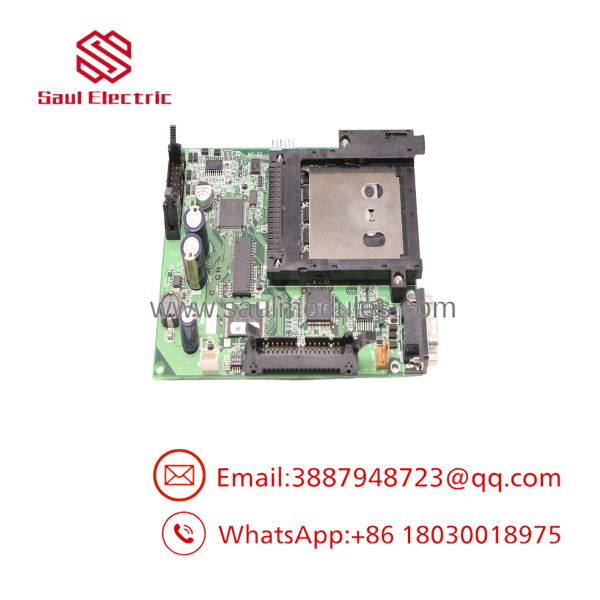
GSEP-M02
The Veteran’s Tech Trap Guide (Crucial Value-Add)
In our field experience, replacing card interface modules requires careful handling to avoid damaging sensitive slot pins:
- ⚠️ Check PCMCIA Slot Pins Under Bright Light: Before installing the replacement board, inspect the internal female connector pins inside the PCMCIA slot. Inserting a damaged or bent memory card can crush the pins inside the slot, instantly destroying the replacement interface card.
- ❗ Never Pull the Board Under Power: Shut down main cabinet breaker power and wait 3 minutes for internal DC rails to bleed down before removing or inserting the card in the controller rack.
- ⚠️ Format Media on the Robot Controller: Do not assume a PCMCIA card formatted on a modern Windows PC will read properly. Always format the memory card directly through the Kawasaki controller service menu after replacing the board to ensure proper FAT allocation.
- ❗ Use Grounded ESD Protection: Static electricity can degrade the high-speed bus transceiver ICs on the board. Always wear a bonded ESD wrist strap when handling the card outside of its shielding bag.
Frequently Asked Questions (FAQ for Conversion)
Q: Is the Kawasaki board hot-swappable?
A: No. While the PCMCIA memory card itself can be inserted/removed following proper controller software eject steps, the internal PCB card itself must never be pulled from the controller rack while powered on.
Q: What type of memory cards are compatible with the board?
A: The supports standard industrial PCMCIA Type I and Type II memory cards (or CompactFlash cards used with a passive PCMCIA adapter card) formatted to the controller’s required filesystem.
Q: Will swapping this interface board erase user programs or controller parameters?
A: No. System programs, teach points, and parameter data reside in main CPU memory/SRAM, not on the board. The simply acts as an I/O bridge to read from and write to external media.
Q: Are these replacement units authentic OEM components?
A: Yes. We sell 100% genuine Kawasaki Heavy Industries surplus hardware sourced directly from decommissioned plants, tool upgrades, and verified facility spare parts inventories.
Q: What warranty comes with this surplus board?
A: Every interface board includes a comprehensive 12-month replacement warranty. If the card experiences an operational defect under normal working conditions within 365 days, we will exchange it or process a full refund.

 Start Chat


