





Description
Product Introduction
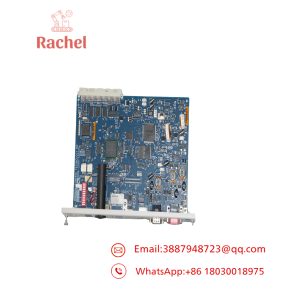
The KEBA AR281 is a specialized analog input module designed for high-density sensor processing within KEBA Kemro machine control architectures, widely deployed in plastics machinery, injection molding rigs (such as Engel systems), and automated robotics. Built to digitize physical variables like cavity pressures, hydraulic barrel temperatures, and linear position transducers, the AR281 provides stable, low-noise signal ingestion required for precise closed-loop machine control.
Unlike standard commercial PLC analog modules, the AR281 is optimized for the harsh electrical environments typical of plastics and hydraulic machinery. Its front edge features a multi-pin connector interface engineered for rapid system integration, while its backplane topology communicates directly with the central Kemro CPU. This ensures ultra-low conversion latency, preventing pressure spikes or positional overshoots during high-speed clamping and injection cycles.
Key Technical Specifications
| Parameter | Specification |
| Manufacturer | KEBA Industrial Automation |
| Model | AR281 (AR 281 / AR-281) |
| Product Type | Analog Input Expansion Card |
| System Compatibility | KEBA Kemro C1/C2 / Engel CC/EC Controller Series |
| Connector Type | 32-Pin Dedicated Terminal Interface |
| Input Signal Types | Voltage / Current Transducer Ingest (Pressure, Temp, Position) |
| Mounting Style | Rack / Slot-mounted Backplane Integration |
| Operating Temp | 0°C to +55°C Industrial Ambient |
| Power Supply | Backplane Bus Powered (+24V DC Internal Rail) |
Application Scenarios & The “Trench” Experience
When an analog input card drops out on a 200-ton injection molding machine mid-run, everything stops instantly. I’ve been on site at 3 AM when a failed sensor processing channel caused a hydraulic pressure feedback loop fault on a key mold axis. The plant manager was watching thousands of dollars in cycle time burn away every twenty minutes. Swapping in a clean, tested KEBA AR281 module, double-checking the grounding shield, and restoring the backplane power got the machine back in production before the morning shift started.
- Plastics Injection Molding – Cavity & Hydraulic Pressure Measurement – Ingests real-time transducer data to maintain accurate packing and holding pressures.
- Hydraulic Press Controls – Linear Position Feedback – Processes analog potentiometer feedback to manage clamp stroke positioning.
- Blow Molding Automation – Extruder Barrel & Die Zone Temperature Ingest – Reads multi-zone analog thermal inputs to prevent melt degradation.
- Industrial Robotics & Material Handling – Strain & Load Cell Acquisition – Captures multi-axis force monitoring for automated part ejection.
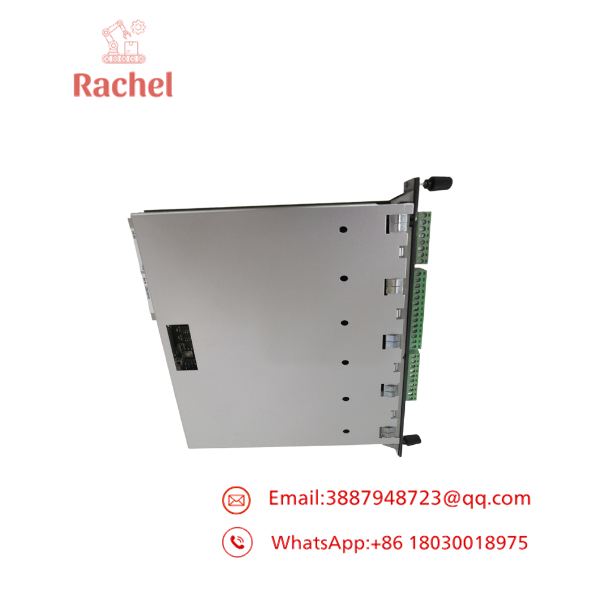
AR281
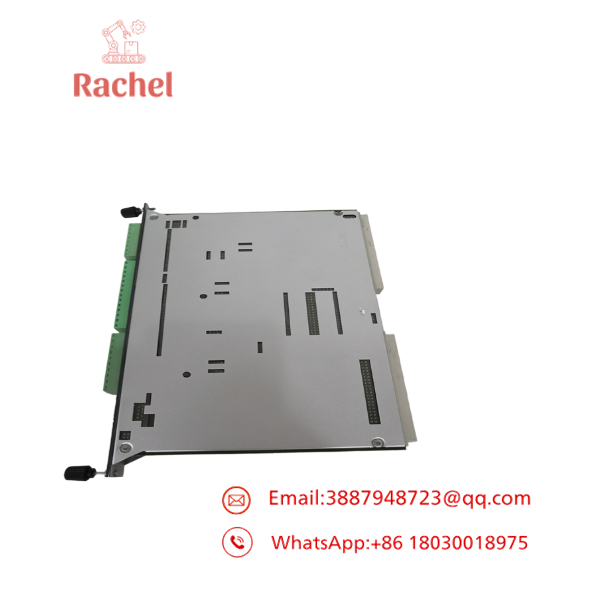
AR281
Transparency SOP: Quality Assurance & Testing
We don’t just pull legacy boards out of a warehouse and stick a shipping label on them. Every KEBA AR281 unit goes through a thorough bench testing protocol:
- Inbound Visual & Integrity Inspection: Inspection of the PCB substrate, trace tracks, card-edge connectors, and 32-pin header pins under high magnification to confirm zero physical stress or thermal damage.
- Backplane Power-On Self-Test (POST): Verification of internal voltage regulation rails and onboard reference circuits upon rack insertion.
- Multi-Channel Precision Signal Injection: Applying calibrated 0-10V and 4-20mA signals across input channels to verify ADC linearity, accuracy, and noise suppression.
- Thermal & Load Cycle Testing: Running the board inside a live test rack under ambient operating temperatures to catch intermittent thermal drift issues.
- ESD Cleaning & Packaging: Final cleaning of pin contacts with isopropyl contact cleaner, followed by anti-static shielding bag packaging with fresh desiccant prior to dispatch.
The Veteran’s Tech Trap Guide (Crucial Value-Add)
⚠️ Double-Check Your Terminal Block Pins! The 32-pin connector on the AR281 must be aligned squarely before pushing the module fully home. Bent or misaligned connector pins on legacy backplanes will kill your channel conversions or short the internal 24V supply.
❗ Shielding & Ground Loops: High-speed analog inputs on injection machines pick up electrical noise from nearby servo drives or hydraulic motor contactors. Ensure sensor shield drain wires are tied to the designated cabinet earth ground bar, not directly to the module terminal frame.
⚠️ Do Not Pull Under Power: Pulling the AR281 from a powered KEBA backplane can induce voltage spikes across adjacent module slots. Always shut down control rack logic power before swapping boards.
Frequently Asked Questions (FAQ for Conversion)
Q: Is the KEBA AR281 hot-swappable?
A: No. Pulling this module live while the rack is energized risks damaging the backplane bus interface and causing CPU fault shutdowns. Power down the controller rack before pulling or inserting the card.
Q: Can I use the AR281 as a direct drop-in replacement on my Engel molding machine?
A: Yes, provided your machine runs on the matching KEBA Kemro or Engel CC/EC controller hardware structure utilizing the 32-pin analog interface topology.
Q: Does replacing an AR281 require software re-flashing or programming?
A: Generally no. The AR281 acts as an analog conversion hardware layer. Provided the replacement unit matches the hardware revision, the CPU will map the analog I/O addresses automatically upon power-up.
Q: How do I know if my existing AR281 card has failed versus a bad sensor?
A: Disconnect the field wiring from the suspect channel and inject a known, stable reference signal (e.g., a 5V source) directly into the module terminal. If the status registers in the HMI continue to drift or read out-of-bounds, the ADC channel on the card is blown.
Q: What is the warranty on surplus or refurbished KEBA AR281 units?
A: Every unit comes standard with a 12-month full replacement warranty. If the hardware fails under normal operating conditions within one year, we swap it out or refund the purchase.

 Start Chat


