





Description
Product Introduction
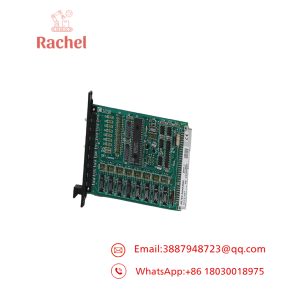
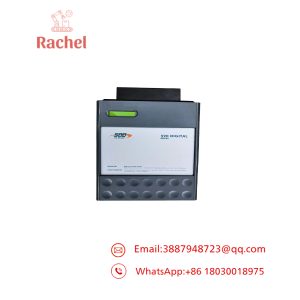
The KEBA CU313 is a compact modular control processing unit designed for industrial automation and motion control applications. It uses an ARM Cortex-A9 processor with 512 MB RAM and 4 GB Flash to run complex control programs in a small form factor. Powered from a standard 24 VDC supply, the module integrates onboard digital and analog I/O resources along with Ethernet and serial communication interfaces.
In the field this unit serves as a central or distributed controller for machines that need deterministic response and flexible networking. It supports common industrial protocols such as Modbus TCP/RTU and can be integrated into larger KEBA or third-party systems. Because it is often supplied through KEBA partner channels, matching the exact hardware revision and firmware is important when replacing an existing unit.
Key Technical Specifications
| Parameter | Value |
|---|---|
| Processor | ARM Cortex-A9 |
| Memory | 512 MB RAM, 4 GB Flash |
| Power Supply | 24 VDC (typical industrial supply) |
| Power Consumption | Approx. 5 W |
| Digital I/O | Multiple digital inputs and outputs (typical configurations include 16 DI / digital outputs) |
| Analog I/O | Analog inputs and outputs available on-board |
| Communication | Ethernet (10/100/1000 Mbps), RS-485 |
| Supported Protocols | Modbus TCP, Modbus RTU (OPC UA capability reported in some integrations) |
| Max Output Frequency | Up to 30 kHz (motion-related outputs) |
| Operating Temperature | –25 °C to +60 °C (typical industrial range) |
| Protection | IP20 (module level) |
| Form Factor | Compact modular (approx. 100 × 100 × 50 mm class) |
| Weight | Approx. 0.35–0.5 kg |
Application Scenarios & The “Trench” Experience
It’s 01:50 on a packaging line and the main machine controller has stopped responding. The line is down and the night shift is staring at a blank HMI. You need a known-good CU313 that boots, talks on the existing network, and restores the motion and I/O logic without a full system redesign.
- Machine Automation / Packaging Lines – Central or distributed control of conveyors, fillers, and indexing axes – Compact size and onboard I/O reduce the need for additional remote modules.
- Robotics & Motion Systems – Coordinated multi-axis motion and logic – High update rates and Ethernet connectivity support tight synchronization with drives and robots.
- Machine Tools & Assembly Equipment – Process sequencing and sensor interfacing – Analog and digital channels handle both continuous and discrete signals in one module.
- Retrofit & Migration Projects – Replacement of aging KEBA or third-party controllers – Partner-channel availability and protocol support ease integration into existing networks.
Field Case Study
A European automotive supplier lost the primary control unit on a robotic welding cell during a weekend shift. OEM lead time was several weeks. A tested surplus CU313 was sourced and installed within 48 hours. After loading the existing application and verifying network settings, the cell returned to production. The short downtime avoided a costly production stop and confirmed the value of keeping a verified spare on the shelf.
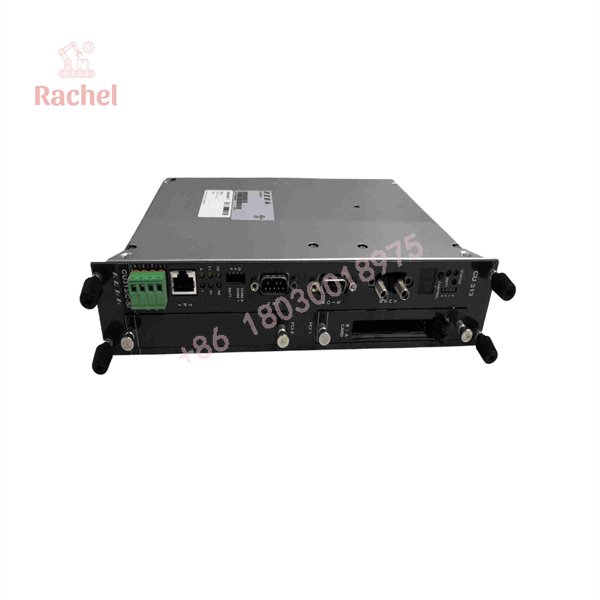
CU313
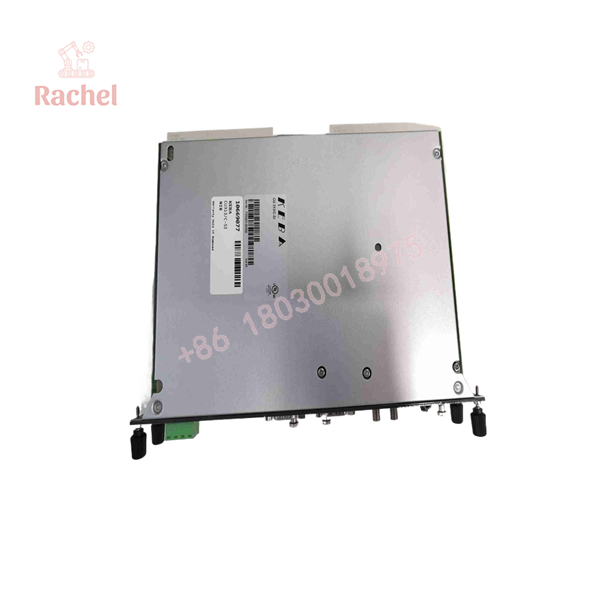
CU313
Transparency SOP: Quality Assurance & Testing
We don’t just ship boxes; every module is checked against functional criteria.
- Inbound Inspection – OEM labeling and revision verification, visual inspection of connectors, housing, and conformal coating.
- Live Rig Testing – Powered on 24 VDC; boot sequence, Ethernet link, serial communication, and basic I/O response verified.
- Electrical Parameter Checks – Supply current, voltage stability, and isolation checks performed where applicable.
- Firmware / Function Verification – Firmware revision logged; communication and I/O functionality confirmed.
- Final QC & Anti-static Packaging – Functional burn-in, documentation of serial/revision, and ESD-safe packaging for industrial shipment.
The Veteran’s Tech Trap Guide
⚠️ Firmware and hardware revision must match. KEBA modules are often revision-sensitive. Installing a unit with the wrong firmware or hardware level can prevent the application from loading or cause network faults.
❗ Network configuration is not plug-and-play. Ethernet and Modbus settings (IP address, baud rate, node address) must match the existing system. Always document the original parameters before removal.
⚠️ Partner-channel product. Some KEBA control units are distributed primarily through system integrators. Confirm that the unit you receive is the correct variant (CU313 vs CU313/A) and that any required licenses or configuration tools are available.
❗ Power and grounding. Use a clean 24 VDC supply and proper grounding. Noise or incorrect polarity can damage the module or cause intermittent communication faults.
Frequently Asked Questions (FAQ for Conversion)
Q: Is the CU313 a standard off-the-shelf PLC?
A: It is a KEBA modular control unit intended for industrial automation and motion applications. Availability and full documentation are often handled through KEBA partners rather than open catalog channels.
Q: Can it be integrated with Rockwell or other third-party PLCs?
A: Integration is possible via Ethernet (Modbus TCP or OPC UA in supported configurations). Direct EtherNet/IP EDS files may not be publicly available; explicit messaging or OPC is the usual path.
Q: What warranty is provided?
A: 12 months from ship date on tested new-surplus units.
Q: Why is pricing sometimes lower than direct OEM channels?
A: Genuine KEBA modules move through surplus and partner inventory. They remain original hardware; lower pricing reflects channel dynamics rather than refurbished or non-OEM product.
Q: Does it require external I/O modules?
A: The CU313 includes onboard digital and analog channels sufficient for many applications. Additional expansion is possible depending on the system architecture.
Q: How do I confirm the exact variant?
A: Check the full part marking (CU313 or CU313/A) and any firmware or hardware revision labels. Matching the original unit’s markings is the safest approach for replacement.
Q: Is documentation readily available?
A: Core manuals and configuration details are typically obtained through KEBA or authorized partners. Verify access to the required software tools before installation.

 Start Chat


